

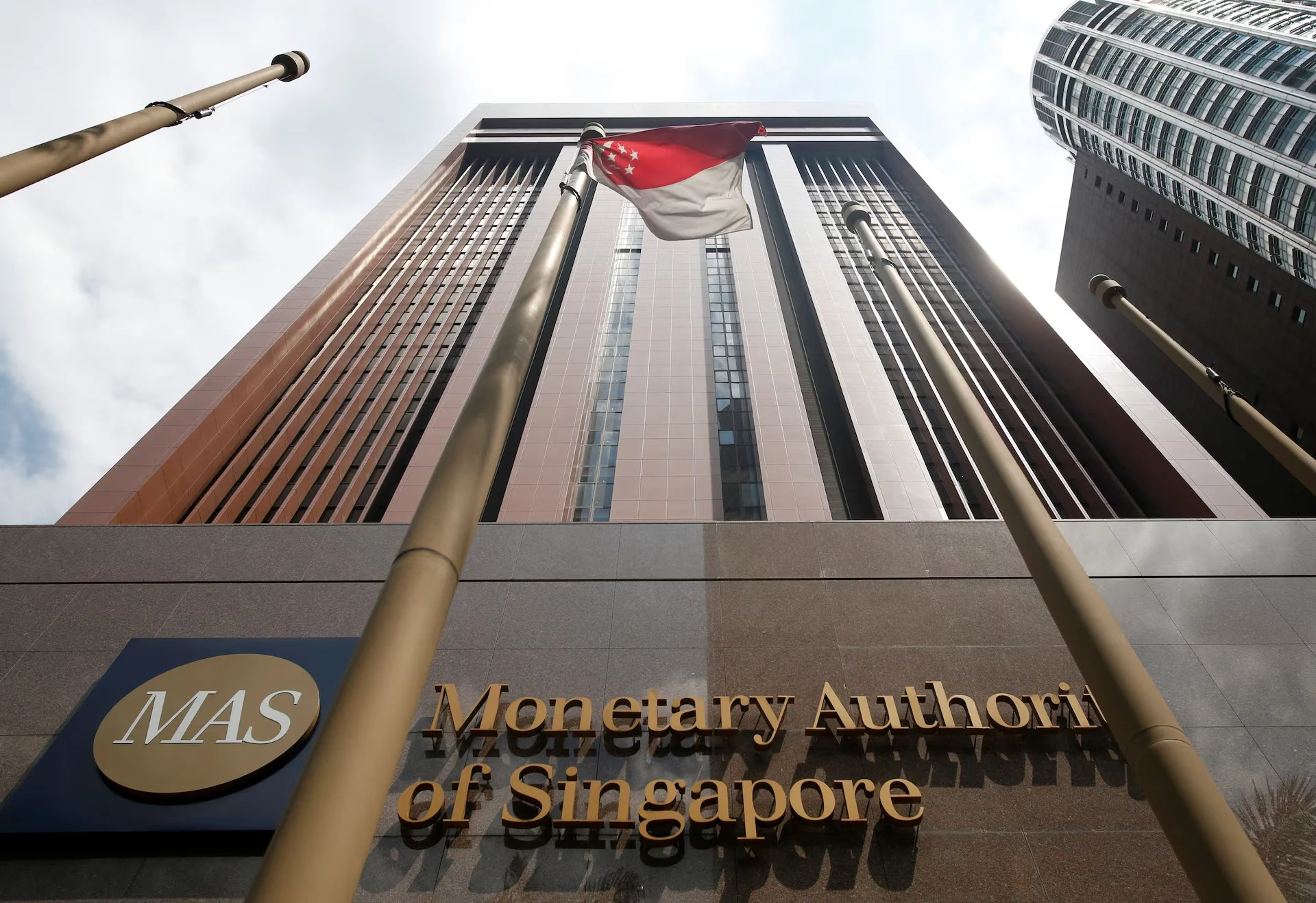
Singapore may tighten its monetary policy again as strong economic growth and rising inflation risks put pressure on prices. Analysts expect the Monetary Authority of Singapore to announce a further policy change at its October 14 review. The forecast comes as the country faces higher energy costs linked to tensions in the Middle East and concerns that changing weather patterns could increase food prices around the world.
Unlike many central banks, Singapore mainly manages monetary policy by guiding the value of its currency against a basket of other currencies. The central bank uses a policy band to influence the Singapore dollar’s exchange rate. A stronger currency can make imported goods cheaper, helping to limit inflation. Adjusting the policy band is therefore one of the main ways Singapore responds when price pressures change.
All ten analysts surveyed for the latest report expected the central bank to tighten policy again. Their forecasts followed similar moves in April and July. Some economists expect a small adjustment to the slope of the policy band rather than a large change. The final decision will depend on how officials assess economic growth, inflation and the risks facing the global economy.
Singapore’s economy has received support from strong demand for technology products and services linked to artificial intelligence. Companies around the world are spending heavily on data centers, computing equipment and advanced chips. Singapore’s role as a regional business and technology hub means that some of this investment has supported economic activity. However, strong growth can also increase demand for workers, transport and other services, putting pressure on costs.
Energy prices are another concern. Oil has remained above $100 a barrel amid the conflict in the Middle East and fears about disruption to shipping routes. Higher oil prices can raise the cost of transport, electricity and production. These costs may then spread through the economy as companies adjust their prices. For a country that imports much of its energy and food, global price changes can have a direct effect on households and businesses.
Weather risks add another layer of uncertainty. Scientists and economists are watching the possibility of a strong El Niño event, which can change rainfall patterns in many parts of the world. Droughts, floods and unusual heat can reduce crop yields or disrupt food transport. If global food supplies become tighter, import-dependent countries may face higher prices even when local demand remains stable.
Recent figures showed that Singapore’s core inflation and overall inflation both stood at 2.2% and 2.3%, respectively, in August. Forecasts for average inflation in 2026 remain within a moderate range, but the risks have moved higher because of energy costs and global uncertainty. Central banks must decide whether price pressure is temporary or likely to continue for longer.
Tighter policy can help control inflation, but it can also create costs. If the currency strengthens, imports may become cheaper, but some exporters may find their products less competitive. Businesses may also face a more difficult environment if demand slows across the region. Officials therefore need to balance price stability with the need to support sustainable growth.
The October 14 review will be important for businesses and investors trying to understand Singapore’s economic direction. A further tightening would signal that the central bank sees enough risk to act before inflation becomes more persistent. If it holds policy steady, officials may be judging that current measures are sufficient. Either way, energy prices, food costs and global demand will remain central to Singapore’s economic outlook.
