

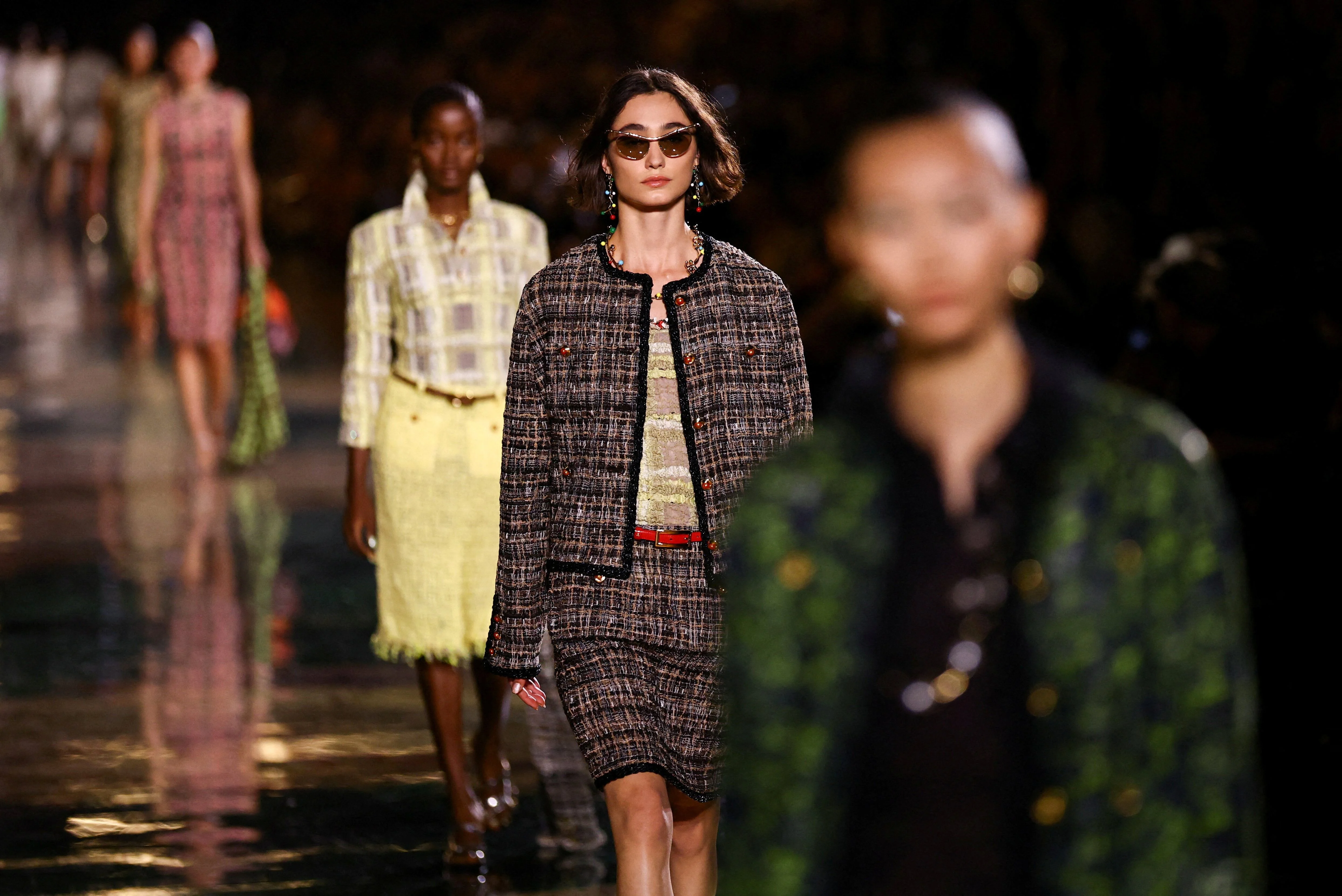
Paris Fashion Climate concerns are becoming harder for the fashion industry to ignore as longer and hotter summers change the way people shop for clothes. At Paris Fashion Week, temperatures reached about 28 degrees Celsius while designers were showing collections filled with coats and other clothing for colder months. The unusual weather highlighted a growing problem for fashion companies that depend on clear seasonal changes to sell new products.
For many years, fashion retailers followed a simple cycle. Summer clothing was promoted during warm months, while coats, jackets and other winter items became popular as temperatures fell. That pattern helped shops plan stock and gave customers a clear reason to buy new clothes at different points of the year. Climate change is now making that cycle less reliable because autumn temperatures can remain high long after winter collections reach stores.
The problem is especially important for luxury brands because outerwear can have strong profit margins. Coats, jackets and heavy winter pieces often cost more than basic summer clothes. If shoppers do not feel cold, they may delay buying those items. Retailers can then be left with large amounts of stock that must later be sold at discounts. Those discounts can reduce profits and weaken the value of a new collection.
Designers are already starting to respond. Nicolas Ghesquiere at Louis Vuitton has used lighter fabrics and more open shapes in his latest collection. The aim is to create clothes that still look fashionable while being more comfortable in warmer conditions. Other designers are also using lighter materials, loose shapes and clothing that can work across different seasons rather than being designed only for cold or hot weather.
The change also affects shoppers. People may still want to buy new clothes, but their buying decisions can happen later than before. A customer who would normally buy a winter coat in September may wait until November if the weather remains warm. This delay can affect sales forecasts and create pressure for stores. It can also change the timing of promotions because retailers may need discounts earlier if demand is weaker than expected.
Fashion companies face another challenge because clothing production itself has an environmental cost. Producing more stock and then discounting or destroying unsold items can increase waste. Brands therefore need better ways to predict demand. They may also need to design clothing that can be used for longer periods instead of relying on short seasonal windows.
Paris Fashion Week has become an important place to see these changes because it brings together designers, retailers and buyers from around the world. What happens on the runway can influence clothing sold months later in many countries. If the weather keeps changing, fashion calendars may have to change as well. Collections may become less strictly divided between summer and winter.
The October 8 discussion shows that climate change is no longer only an environmental issue for fashion. It is also a business and design problem. Brands must decide what people will want to wear, when they will want it and how much stock they should make. Warmer seasons may force the industry to move away from old habits and create more flexible clothing. The future of fashion could therefore be shaped as much by changing temperatures as by changing tastes.
