

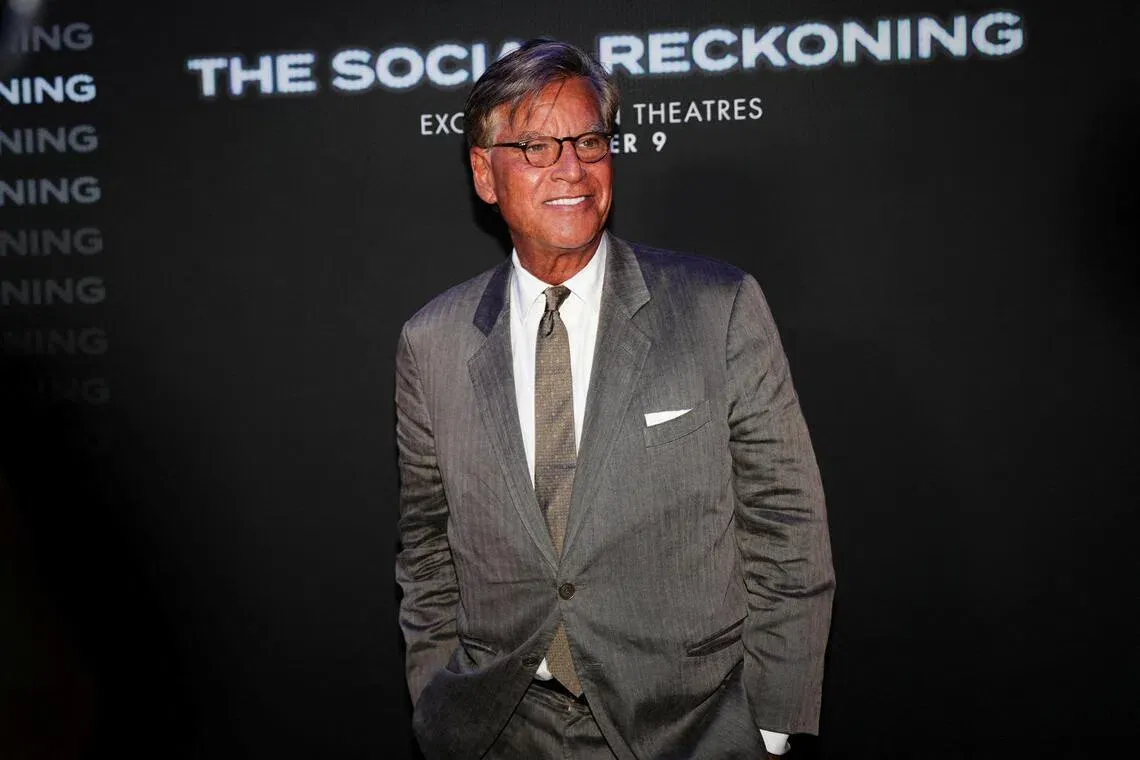
The Social Reckoning Film brings the story of Facebook whistleblower Frances Haugen back to the big screen as writer and director Aaron Sorkin explores the conflict between technology, journalism and public responsibility. The film is a standalone follow-up to The Social Network and focuses on Haugen’s decision to reveal internal documents about Facebook. It is scheduled to open in cinemas in several markets on October 8.
Sorkin said he was not planning to make another film about Facebook when he met Haugen. He had been struggling to find a new story after a long period without a project that interested him. Meeting Haugen changed that. Her experience gave him a story about a former employee who believed the public needed to understand what was happening inside one of the world’s most powerful social media companies.
The film follows Haugen and journalist Jeff Horwitz as they work through the information she had gathered. Haugen became widely known after leaving Facebook and providing thousands of internal documents to journalists. Her disclosures raised concerns about the effect of social media platforms on young people, public debate and political life. She later testified before Congress and argued that Facebook’s systems could reward divisive content because of the way its business worked.
Mikey Madison plays Haugen while Jeremy Allen White plays Horwitz. Jeremy Strong plays Mark Zuckerberg, taking over a role that was played by Jesse Eisenberg in The Social Network. Eisenberg did not return for the new film. The casting reflects the different focus of the story. The earlier movie centered on the creation of Facebook, while the new film looks at the problems that developed after the platform had become a huge global business.
Sorkin has stressed that the film is not a documentary. Real events form the foundation, but conversations and parts of the timeline were changed to create a clear movie story. Horwitz was not involved in producing the film and did not control how his character was written. Sorkin said that a journalist records events like a photograph, while a filmmaker turns them into a larger artistic story.
The subject remains important because social media has become a major part of daily life. Platforms are used for news, business, politics and personal communication. At the same time, governments and researchers continue to debate how algorithms affect what people see online. Questions about harmful content, false information and the protection of children have become more serious as platforms reach billions of users.
The film also arrives at a time when technology companies face growing political pressure. Governments in several countries are examining how social media companies handle safety and privacy. Meta has faced legal and political challenges over the way its platforms affect young users. The company has denied wrongdoing in many disputes and has argued that it wants users to have safe and useful experiences.
The Social Reckoning Film therefore enters a debate that is far from finished. It does not simply revisit the history of Facebook. It asks what happens when an employee believes a powerful technology company is causing harm and decides to expose what she knows. Sorkin’s approach turns that real conflict into a dramatic story about trust, journalism and responsibility. As social media continues to shape public life, the questions behind the film are likely to remain relevant for years.
