

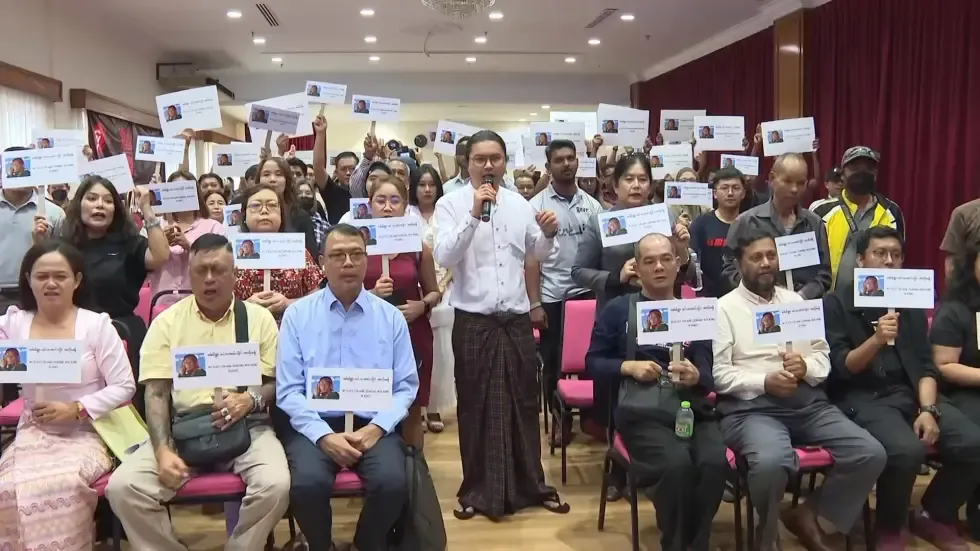
Myanmar’s military-backed president Min Aung Hlaing visited Malaysia as his government sought to rebuild ties with neighboring countries and reduce its international isolation. The visit came as Myanmar continued to face deep political divisions and armed conflict following the military coup of 2021. His meetings with Malaysian Prime Minister Anwar Ibrahim focused on closer relations and economic cooperation, but the visit also raised difficult questions about the future of democracy and human rights in Myanmar.
The trip is part of a wider effort by Myanmar’s leadership to improve relations across Southeast Asia. Several governments have limited contact with the country’s military leaders since the coup, while the Association of Southeast Asian Nations has kept Myanmar’s top military figures away from some major meetings. The regional group has called for an end to violence and greater political dialogue, but its efforts have made little progress as fighting continues.
During the visit, both sides discussed economic links and the value of stronger cooperation. Malaysia and Myanmar have long had trade and people-to-people connections, but political tension has made those ties harder to manage. Myanmar’s leaders want more foreign contact and investment as the country struggles with conflict, economic pressure and damage to public services. Malaysia, meanwhile, must balance regional diplomacy with concern about the treatment of people affected by the crisis.
The visit also faced criticism from rights groups and members of Myanmar’s displaced communities. Critics argue that welcoming the military-backed leader can help his government appear more accepted abroad, even though the conflict at home remains unresolved. They want regional leaders to press for an end to attacks on civilians, the release of political prisoners and a process that allows more groups to take part in the country’s future.
Migration is another difficult issue between the two countries. Malaysia hosts many people from Myanmar who left because of violence, poverty or political persecution. The treatment of undocumented migrants has become a source of tension, especially when people face the risk of being sent back to a country where they may not be safe. Malaysia has defended its policies by pointing to limits on its ability to host large numbers of people without legal status.
The situation of the Rohingya minority remains a major concern. Many Rohingya fled violence in Myanmar and now live in camps or communities across the region. Malaysia is not a signatory to the main international refugee convention and often treats undocumented arrivals as migrants rather than refugees. Rights groups say this can leave vulnerable people without enough legal protection.
Anwar’s government is trying to keep communication open while working through these problems. Supporters of engagement say that direct talks can help regional governments discuss trade, migration and security with the people who hold power in Myanmar. Critics warn that talks must not replace pressure for political change or allow the military government to avoid responsibility for the crisis.
The visit shows the limits and importance of regional diplomacy. Malaysia cannot end Myanmar’s conflict on its own, and ASEAN has struggled to turn its plans into action. Still, the meetings may create room for further discussion on economic ties and humanitarian concerns. Any lasting progress will depend on whether Myanmar’s leaders take steps to reduce violence and allow a wider political process. Until then, closer diplomatic contact is likely to remain controversial both inside Myanmar and across Southeast Asia.
