

Oil prices declined on Wednesday as new figures showed a significant increase in US crude and fuel inventories, raising concerns about the balance between supply and demand. Brent crude futures fell to around $92 a barrel, while US West Texas Intermediate also moved lower. The market had been closely monitoring American inventory levels because rising stocks can indicate that available supplies are increasing faster than consumption. However, the decline remained limited as the conflict between the United States and Iran continued to create uncertainty around international energy transportation.
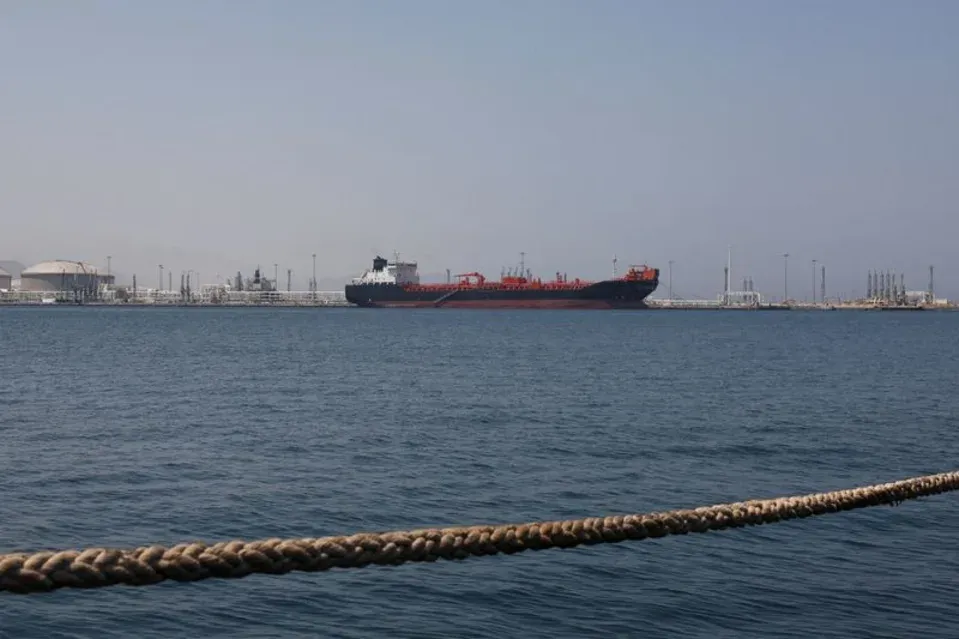
Market participants were particularly concerned about the Strait of Hormuz, one of the world’s most important routes for oil shipments. Ongoing attacks on vessels and military developments in the surrounding region have increased the risk of disruptions to energy exports. Even when prices fall because of higher inventories, traders must consider the possibility that shipping problems could reduce the amount of crude reaching international markets. This geopolitical risk has prevented oil prices from falling more sharply despite growing concerns about a possible supply surplus.
Data cited by market sources showed that US crude inventories increased by approximately 5.28 million barrels during the week ending November 13. Gasoline stocks also rose by around 5.12 million barrels, while distillate inventories increased by 351,000 barrels. The figures suggested that the American market had more fuel available than many traders had expected. Higher inventories can put pressure on prices because they reduce the urgency for buyers to secure additional supplies in the immediate future.
The market is now being influenced by two competing forces. Rising inventories and expectations of stronger global supply are pushing prices downward, while military tensions and shipping disruptions are supporting them. Analysts are watching both developments closely because a prolonged conflict could change the direction of the market very quickly. For consumers, lower crude prices could eventually reduce fuel costs, but continued instability around major shipping routes may prevent those benefits from reaching households and businesses immediately.
