

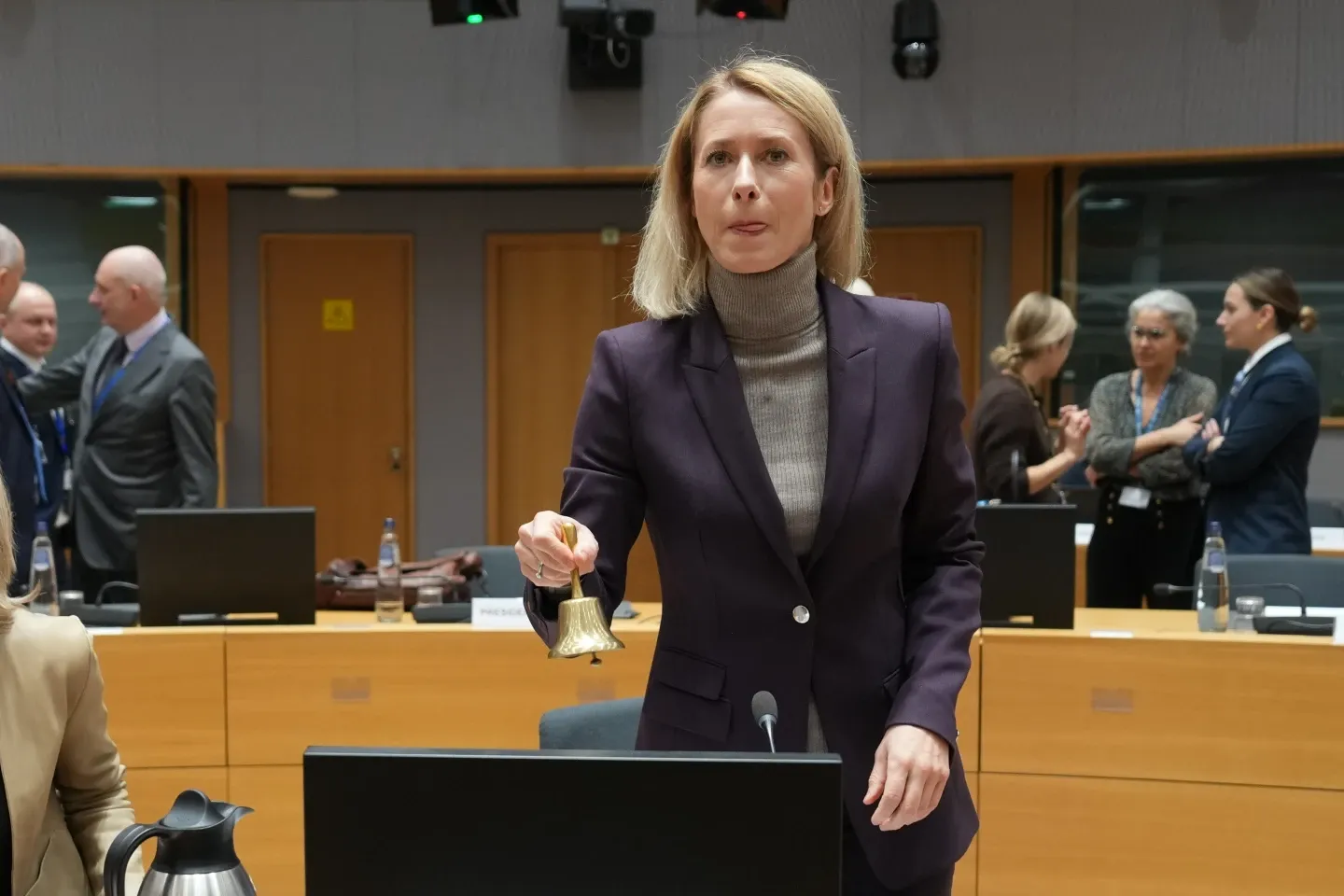
European Union foreign ministers have accused Russia of deliberately slowing down negotiations to end the war in Ukraine while continuing attacks on power plants and other civilian infrastructure. The ministers raised their concerns during a meeting in Brussels on Monday, warning that Russia’s actions could make life increasingly difficult for Ukrainian civilians as winter approaches. EU foreign policy chief Kaja Kallas said a ceasefire should be the first priority before wider discussions about a lasting peace agreement. European officials argued that Russia began the war and should stop making demands of Ukraine and its Western partners.
The disagreement has grown after recent negotiations in Abu Dhabi, where US representatives encouraged Ukraine and its supporters to consider a Russian proposal for a new European security framework. Moscow has argued that the security structure of Europe should change, including possible restrictions on NATO’s military presence near Russian territory. European governments, however, believe the proposal is an attempt to weaken the alliance by forcing it to withdraw troops and equipment from countries that joined NATO after the Cold War. Kallas described the demand as unacceptable and said European countries had not attacked Russia.
Irish Foreign Minister Helen McEntee also criticised Moscow, saying Russia had not changed its position despite ongoing diplomatic efforts. She said attacks on civilians and civilian infrastructure continued while negotiations made little progress. The European Union is preparing additional sanctions aimed at the financial networks supporting Russia’s military campaign. Ministers are also discussing further assistance to help Ukraine maintain essential services and protect its population during the winter months, when damage to energy infrastructure could have especially serious consequences.
The United States has been involved in negotiations with Russia and Ukraine for more than a year, but major disagreements remain over territory and future security arrangements. European leaders say the only clear progress so far has been the exchange of prisoners. At a recent summit in Dublin, EU leaders agreed that European security advisers and senior officials should take part in future discussions. They stressed that Ukraine must make its own decisions about sovereignty and its future, while Europe should help shape security guarantees and reconstruction plans.
