

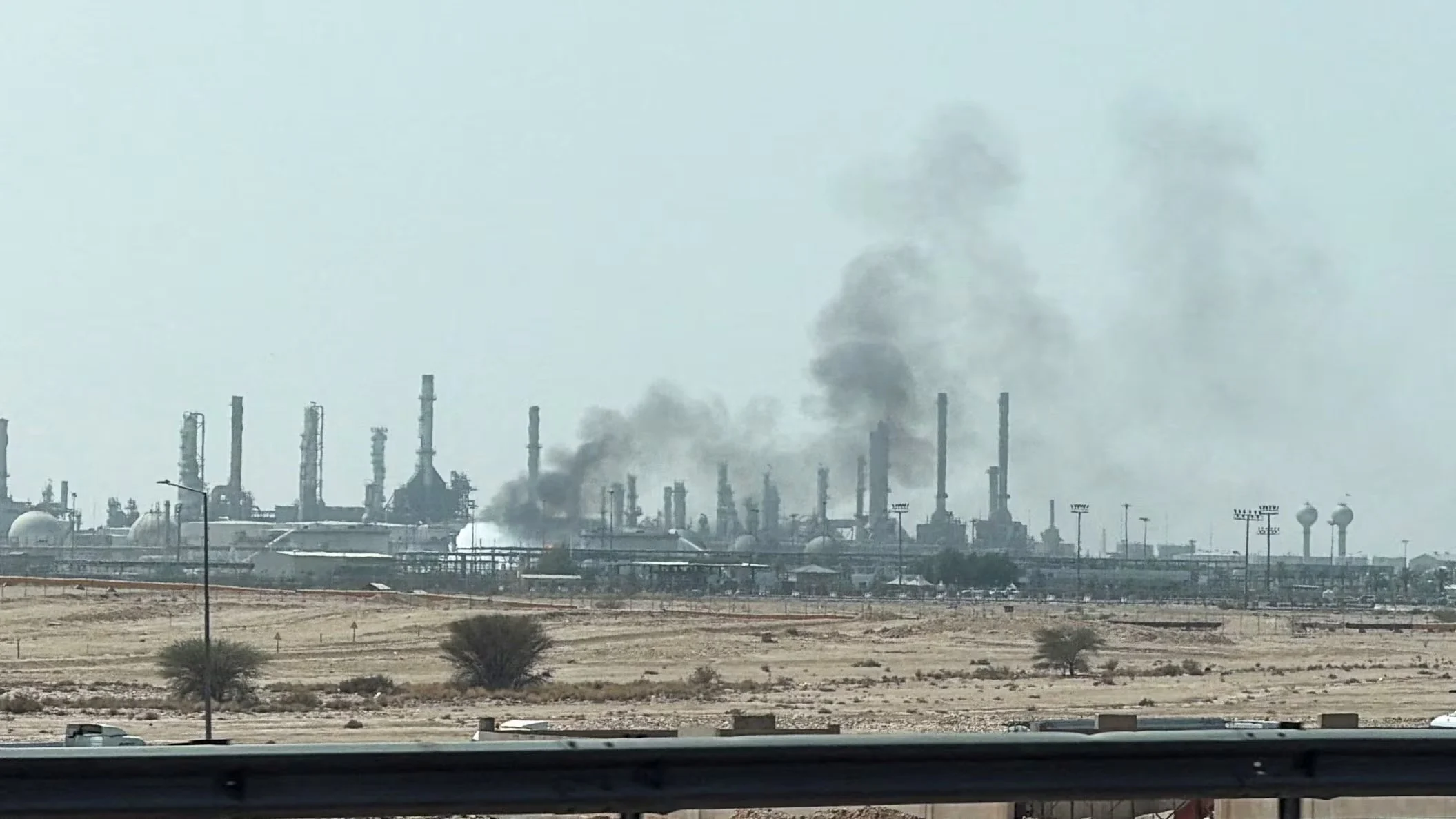
Middle East Oil Prices remained close to $100 a barrel on October 7 as traders weighed stronger oil exports against fresh risks to global supply. Brent crude rose slightly to around $100.93 a barrel, while US West Texas Intermediate crude traded near $89.59. The market remained nervous because the Middle East conflict continues to threaten energy routes, while a developing storm in the Gulf of Mexico could also affect American oil and gas production.
Saudi Arabia has increased oil flows through its East West pipeline as the country tries to move more crude through routes that avoid areas facing major security risks. The pipeline is important because it can carry oil from the eastern production areas to the Red Sea. Recent attacks and wider risks around the Gulf have made alternative export routes more important for major producers and buyers.
Oil exports from the Middle East have also shown signs of recovery. Around 12 million barrels of crude per day and about 2 million barrels per day of refined products have been exported from the region over the past seven to ten days. That flow has helped reduce some of the pressure on world markets. It has also stopped oil prices from rising even faster as traders watch the conflict and its effect on shipping.
The recovery in exports does not mean the supply risk has disappeared. Attacks on airports in Saudi Arabia’s Jazan and Najran regions have added to fears about wider regional instability. Shipping remains another major concern because the Middle East is home to some of the world’s most important energy routes. Any serious attack on ships or transport facilities could quickly reduce the amount of oil and fuel reaching international markets.
Relations between the United States and Iran also remain tense. There has been little progress toward a lasting solution to the conflict, and traders continue to watch every statement from Washington and Tehran. A major change in the fighting could quickly affect energy prices. If supply routes become less safe, buyers may compete for fewer available cargoes, which could push prices higher and add to inflation in many countries.
The United States is facing another possible supply risk from weather. A developing storm in the Gulf of Mexico could become the first Atlantic hurricane of 2026. The area affected by the storm includes oil and gas facilities that account for a significant share of US production. Six refineries could also face disruption if the storm becomes strong enough to affect operations, ports or power supplies.
The combination of war and weather is making the energy market unusually sensitive. Higher exports are giving buyers some relief, but traders know that conditions can change quickly. If Middle East shipments fall or US production is disrupted, the balance could become much tighter. For consumers, higher oil prices can raise the cost of transport, heating and many everyday goods. That is why energy markets remain one of the main concerns for governments and businesses on October 7.
