

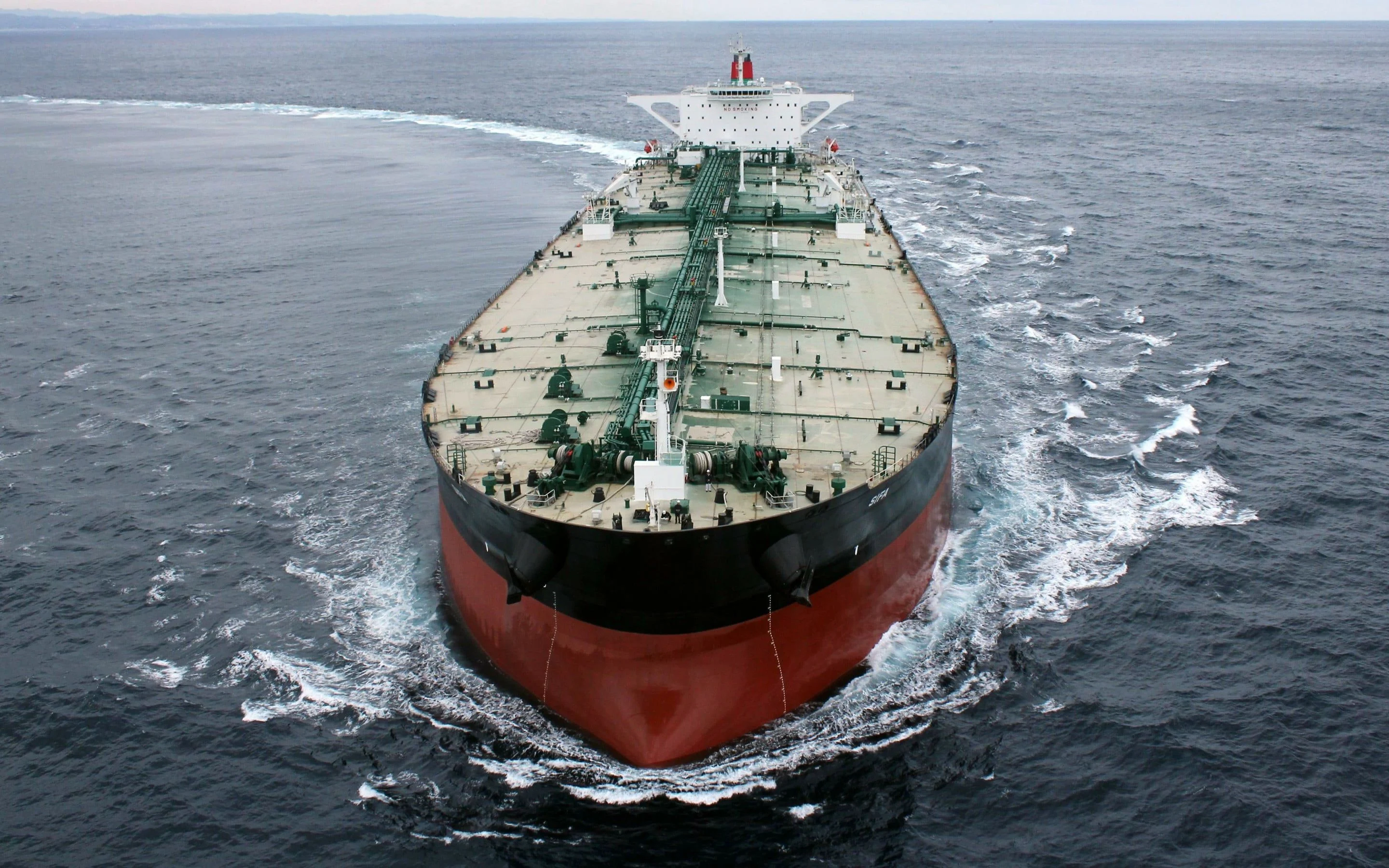
Global energy markets saw oil prices jump early this week after fresh military action near the Strait of Hormuz raised fears of further disruption to global crude supplies. Benchmark crude gained roughly two percent shortly after markets opened, reflecting quick investor concern over a key shipping route.
The jump followed a US strike on rocket launchers positioned near the strait, aimed at stopping what officials described as an attempt to place sea mines in the waterway. Traders reacted swiftly, since even the threat of new mines can slow tanker traffic and tighten global supply in a market already under pressure.
The Strait of Hormuz plays an outsized role in global energy markets. Before recent conflict began, close to a fifth of the world’s oil and natural gas passed through this narrow channel every day. Any disruption there tends to ripple quickly through prices worldwide, even when the physical damage remains limited.
This latest price jump came on top of already rising expectations for tighter monetary policy in the United States. Comments from the Federal Reserve chair at a recent economic gathering suggested a growing chance of an interest rate hike in the coming months. Higher rates can affect oil demand forecasts, adding another layer of complexity for traders trying to price in future supply and demand.
Currency markets moved alongside the shift in oil prices. The US dollar held onto recent gains, trading in a narrow range against other major currencies. A stronger dollar can make oil more expensive for buyers using other currencies, adding further pressure on prices in some regions.
Energy analysts note that this kind of price jump often proves temporary if the underlying conflict does not escalate further. Markets have grown accustomed to periodic spikes tied to incidents near the strait, with prices sometimes settling back down once initial fears ease. Still, prolonged instability could lead to more lasting price increases.
Airlines and shipping companies are watching the situation closely, since fuel costs make up a large share of their operating expenses. A sustained rise in oil prices could squeeze profit margins across these industries, potentially leading to higher prices for consumers on flights, shipping, and other transportation services.
Some investors see the current situation as an opportunity, betting that continued instability could push prices higher over the medium term. Others remain cautious, pointing out that global oil supply has adjusted in various ways since the conflict began, including new routes and increased production from other regions.
Consumers may not feel the full effect of this latest jump immediately, since gas prices at the pump often lag behind shifts in crude oil markets. Still, sustained increases in oil prices typically filter down to fuel costs over the following weeks if the trend continues.
Central banks and energy officials around the world are monitoring developments closely. A stable flow of oil through key routes like the Strait of Hormuz remains critical for keeping global energy markets calm. Until tensions in the region ease, analysts expect prices to remain sensitive to any new incidents, keeping volatility high for the foreseeable future.
