

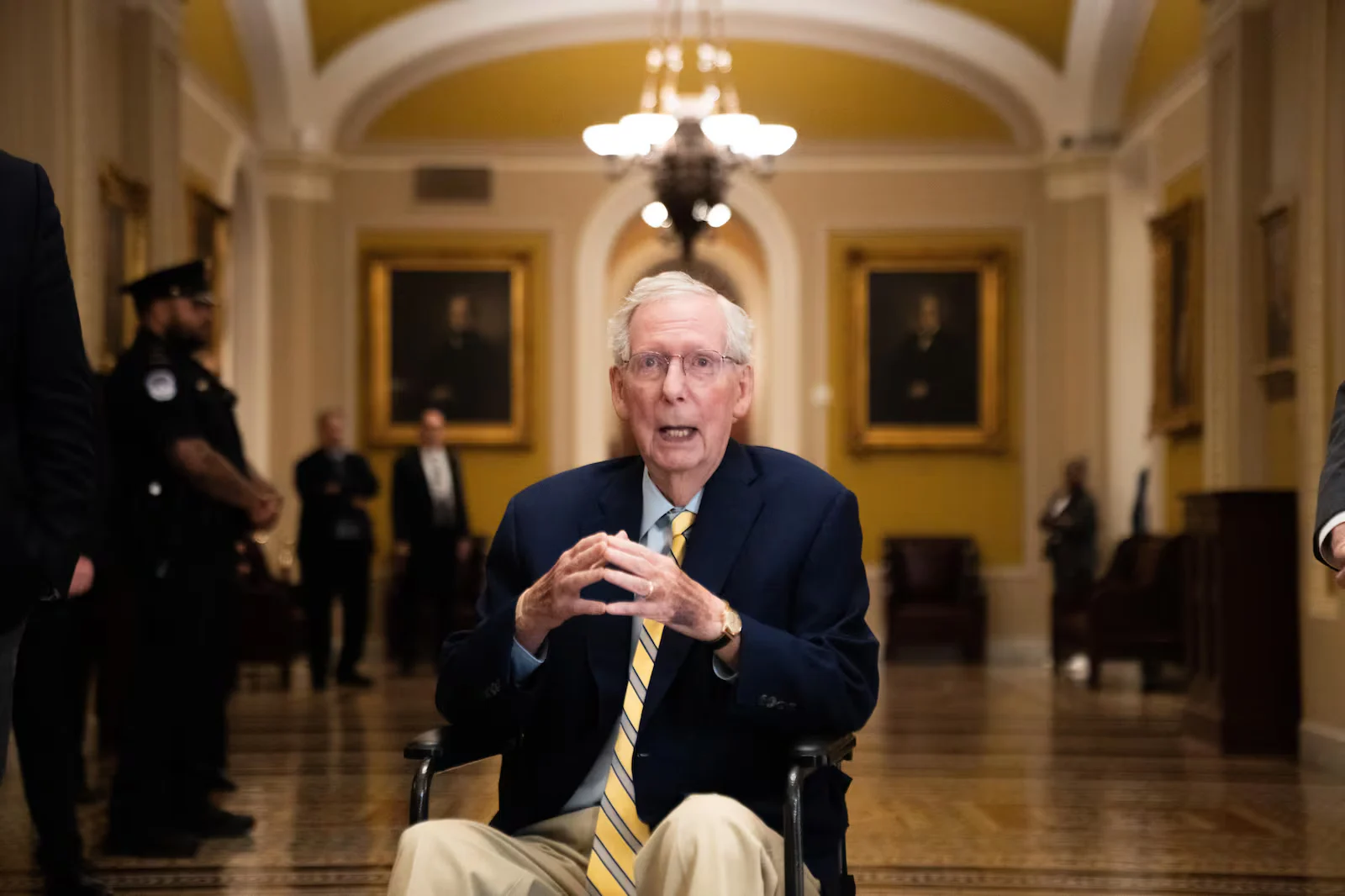
The recent return of senior political leaders to public life has renewed discussions across the nation regarding age and public service. While some public figures face questions about health and capability, others continue to serve effectively well into their eighties and nineties. These differing situations show why setting fixed rules for leadership based on age remains a complex issue for voters.
Public interest often grows when long-serving representatives experience health challenges while holding office. In many cases, public concern leads to intense debate about whether official age restrictions should exist. However, setting strict limits is difficult because cognitive health and daily energy levels vary greatly from person to person. While some individuals experience decline earlier in life, others maintain sharp decision-making skills and high capability throughout their senior years.
Data shows that senior citizens make up a notable portion of current legislative bodies. Many voters continue to select experienced representatives because knowledge, long-term perspective, and legislative skill remain highly valued in government. At the same time, surveys indicate that many citizens express support for general age limits. Yet, when asked to select a specific maximum age, public opinion divides sharply between sixty, seventy, and eighty years.
This lack of agreement highlights the main challenge of arbitrary limits. Imposing a blanket rule could remove highly capable and experienced leaders who still perform their duties with distinction. Age alone does not determine how well an individual handles complex public tasks. Instead, personal capability, focus, and dedication serve as better measures of fitness for public office.
Evaluating political leaders fairly requires focusing on real performance rather than biological age. Assessing health in a political setting is inherently complicated, as debate over physical and mental fitness often becomes entangled with political party rivalries. Existing formal rules designed to address leader incapacity are complex and rarely used, leaving the ultimate responsibility in the hands of the electorate.
In democratic systems, voters hold the primary authority to evaluate candidates. Citizens review public records, observe daily performance, and make informed choices at the ballot box during every election cycle. By judging leaders based on demonstrated ability rather than setting strict age boundaries, communities ensure that governance remains grounded in capability, wisdom, and public trust.
