

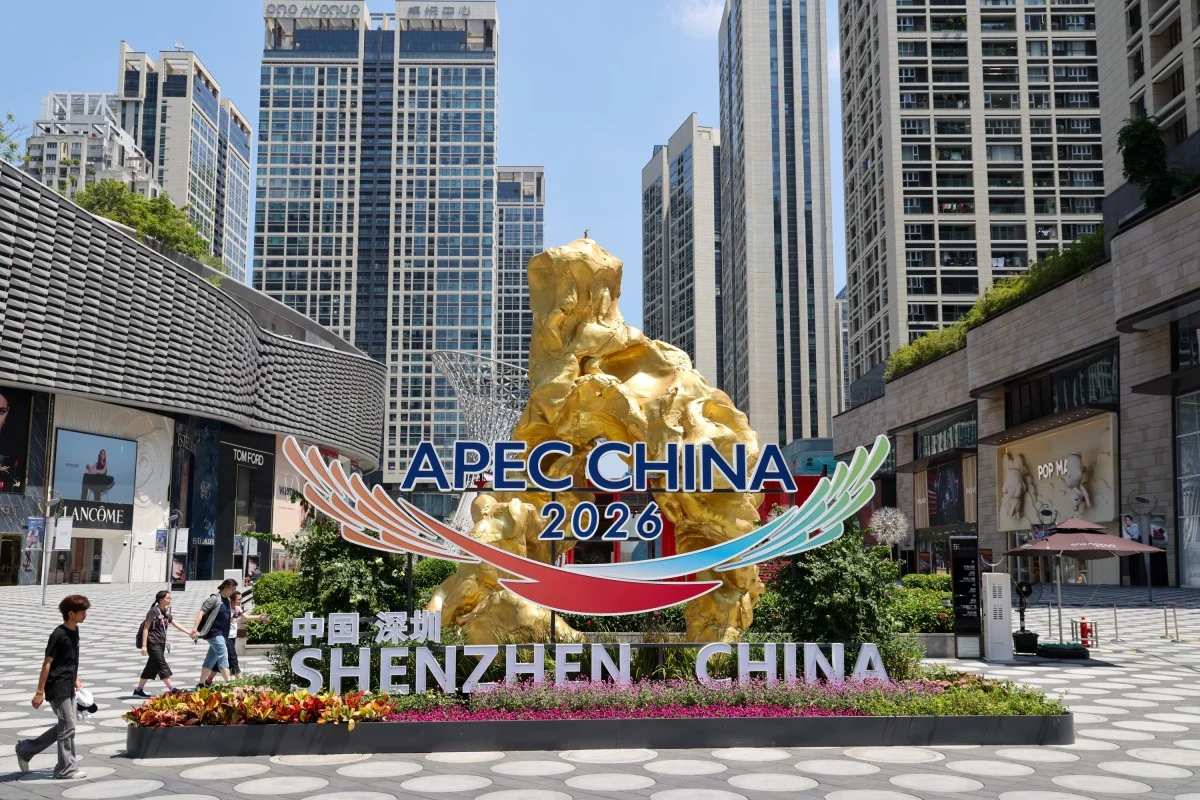
Middle powers do not need to wait for a high-level summit between global leaders to shape international policy. Recent discussions surrounding a potential meeting of world leaders at the Asia-Pacific Economic Cooperation summit in Shenzhen have brought back memories of historical agreements that redrew the global map. While such a grand meeting symbolises major influence, relying solely on great powers to manage global order is no longer the only option for smaller nations.
Today, global issues like trade, technology, green energy, and infrastructure are deeply shaped by big-nation rivalries. Major states often focus on securing their own influence. As a result, smaller and medium-sized countries often feel left out of key decisions. However, middle powers hold real diplomatic and economic strength. They can take active steps to protect their own interests instead of waiting for major powers to act.
In recent years, intermediate nations have shown that group action can yield real results. By building strategic ties, these countries can protect local trade and advance shared security goals. They can form flexible partnerships based on mutual interests rather than rigid military alliances. This approach allows smaller states to maintain independence while balancing relations with major powers.
Economic ties offer another strong area for middle powers to show leadership. By expanding regional trade agreements and securing critical supply chains, these countries can reduce their reliance on single global economic drivers. They can also set fair rules for digital trade and sustainable technologies. When medium-sized economies work together, they create stable market environments that resist outside pressure.
Diplomacy also benefits from middle power action. Intermediate nations often act as effective mediators in local disputes. They build trust where major powers face rivalry and gridlock. By leading talks on regional security, environmental policy, and humanitarian support, these nations ensure that local voices guide international policy. This active role helps prevent small conflicts from turning into major global crisis points.
International institutions provide another key arena for action. While major international bodies can face political paralysis, middle powers can lead reforms from within. They can form focused alliances within global bodies to push for vital updates on rules governing trade, health, and climate action. Working as a bloc gives these states a stronger voice to ensure international rules remain fair for all nations.
The focus on major summits often obscures the quiet work happening across smaller diplomatic channels. Grand meetings may offer striking images, but real stability is built through daily cooperation, clear rules, and strong partnerships. Middle powers possess the tools, economic weight, and moral authority to guide world events. They do not need to wait for major state leaders to set the agenda.
By taking early action and building strong networks, middle powers can safeguard their own growth and support world peace. The future of global order does not belong to a few large nations alone. It is shaped every day by proactive countries working together to build a stable and balanced world.
