

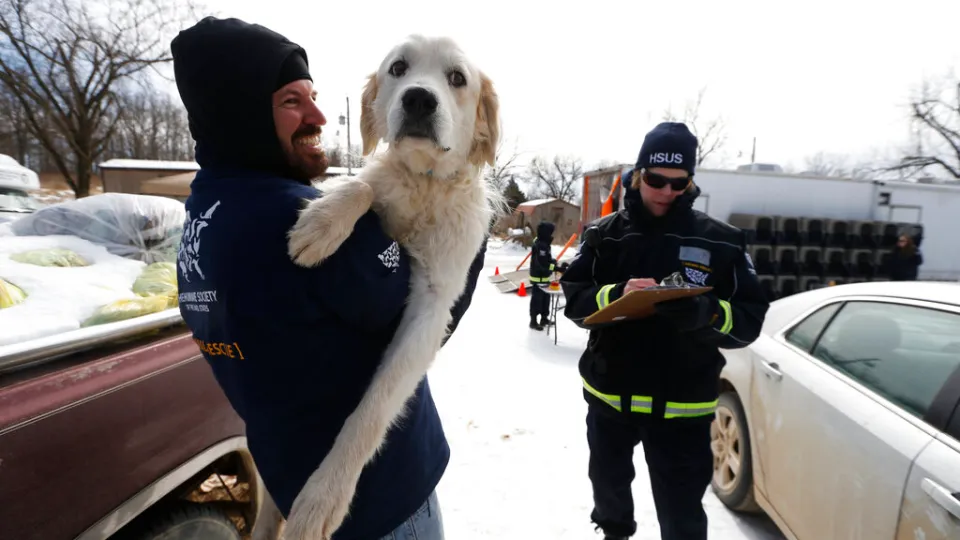
Six decades after federal lawmakers established official rules to protect commercial breeding animals, widespread enforcement concerns continue to spark national debate. Recent rescues at licensed breeding facilities across multiple states have highlighted ongoing gaps in federal oversight. While federal agencies hold clear authority to license and inspect commercial dog breeders, critics point out that state and local authorities often step in to handle severe neglect cases.
Recent enforcement records show repeated instances where licensed commercial facilities failed basic care standards. In several cases, federal inspectors documented ongoing health issues, inadequate shelter, and lack of veterinary care over extended periods. Despite finding multiple policy violations during routine checks, federal regulators rarely revoked commercial licenses or issued immediate fines. This passive approach often leaves animals in harmful conditions until local law enforcement agencies intervene to file criminal charges and relocate suffering animals to local rescue shelters.
Federal data compiled by animal welfare advocates indicates that hundreds of licensed breeders failed minimum care requirements over the past year without facing license revocation. Regulators have historically favored educational outreach over strict penalty enforcement, allowing repeated non-compliance to continue. Similar issues occurred across research and commercial supply facilities, where state inspectors logged hundreds of local health code violations that went unaddressed at the federal level.
In response to these systemic oversight failures, lawmakers have introduced bipartisan legislation to strengthen federal enforcement mechanisms. Known as Goldie’s Act, the proposed measure mandates thorough facility inspections, requires immediate intervention when violations occur, and enforces strict penalties for non-compliant breeders. By removing administrative leniency and requiring mandatory action, the law aims to ensure that federal oversight bodies actively protect vulnerable animals as originally intended.
Ensuring humane treatment across commercial breeding facilities remains a critical public responsibility. Passing updated legislative measures provides the necessary tools to enforce minimum standards, hold violators accountable, and fulfill the core promise of federal animal protection laws nationwide.
