

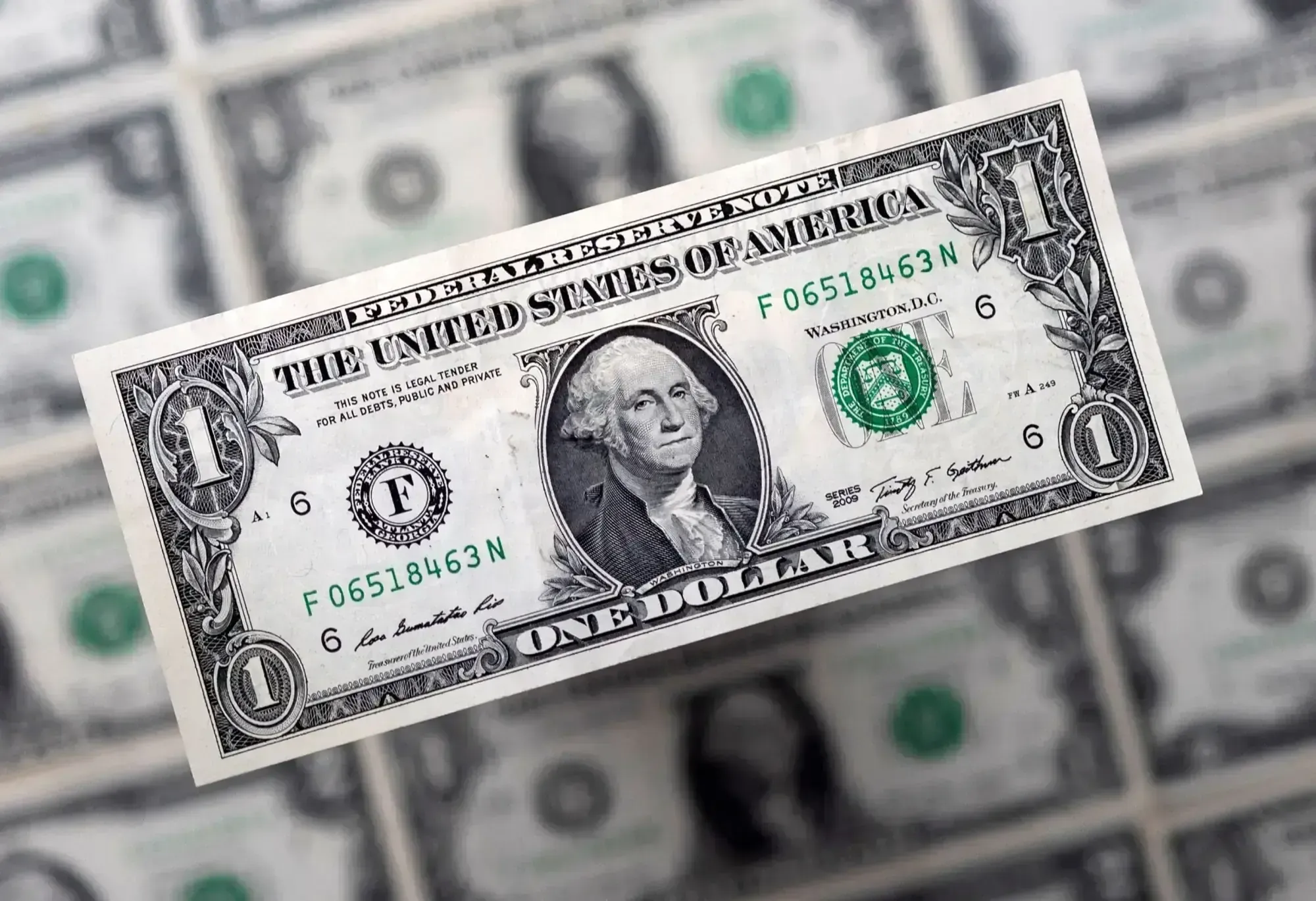
The US dollar weakened against several major currencies on Friday as a rally driven by expectations of tighter Federal Reserve policy began to lose momentum. The dollar index fell 0.2% to 103.75, moving away from the 19-month high reached during the previous trading session. The decline interrupted an eight-session winning streak, although the currency remained stronger overall for November. Investors are now weighing the possibility of higher US interest rates against growing uncertainty in global financial markets.
The dollar had gained support after US inflation figures came in higher than expected, strengthening expectations that the Federal Reserve might raise borrowing costs again. Federal Reserve Governor Christopher Waller had also said that a 50-basis-point increase in December should be considered. Those comments encouraged investors to buy dollars because higher interest rates can make US assets more attractive to international buyers. The shift in expectations helped push the currency to its strongest level since April 2025.
However, the latest market conditions have become more complicated. US Treasury yields declined on Friday as investors reacted to concerns about the artificial intelligence sector and the enormous amount of money being spent on data centres and computing infrastructure. Anthropic’s record-breaking stock market debut initially attracted strong attention, but its shares later weakened, failing to restore confidence across the wider technology market. The resulting uncertainty encouraged investors to reconsider some of their recent positions.
The Japanese yen benefited from the movement in bond yields, while other currencies also gained slightly against the dollar. Market analysts warned that the dollar’s momentum had slowed but said it was too early to conclude that its broader rally had ended. Investors will continue watching inflation data, Federal Reserve statements and economic indicators to determine whether another rate increase is likely. The currency market is therefore facing two competing forces: expectations of tighter US monetary policy and a growing desire among investors to reduce exposure to riskier assets.
