

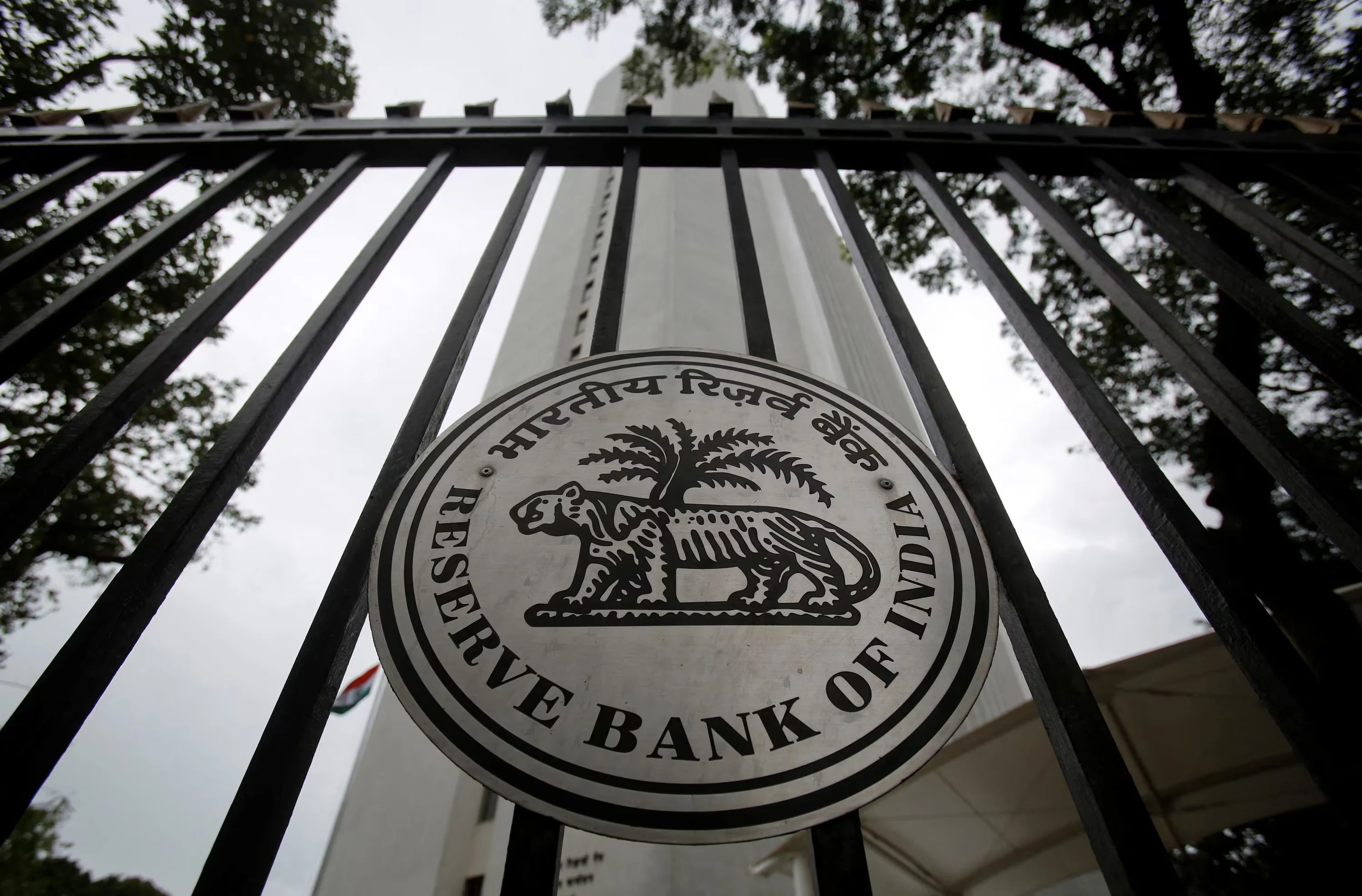
India’s central bank has introduced new steps to support the rupee after the currency moved close to its record low. One measure will provide a special dollar window for oil companies. The move is meant to ease pressure on the foreign exchange market. Oil importers need large amounts of US dollars to pay for fuel, and their demand can place added strain on the local currency.
When a currency weakens, imported goods can become more costly. This is especially important for a country that buys large amounts of energy from abroad. If oil companies need more dollars, they may compete with other businesses for foreign currency. That can increase pressure on the rupee and make payments more expensive. A dedicated dollar window may help manage some of this demand and make currency access more orderly.
The central bank’s action comes as global markets face uncertainty linked to energy prices and conflict. Changes in oil costs can affect transport, factory production, and the price of goods sold to households. A weaker rupee may add to these costs because importers need more local currency to buy the same amount of foreign goods. The effects can spread through the wider economy if firms pass higher costs on to customers.
The latest move is part of the central bank’s wider effort to limit sharp currency swings. Such steps can help reduce short-term pressure, but they cannot remove every cause of a weaker exchange rate. Demand for dollars, international investment flows, and the cost of imports can all influence the rupee. The impact will depend on how markets respond and whether the measures provide enough foreign currency to meet demand.
For businesses, a more stable exchange rate can make planning easier. Importers can better estimate costs, while firms that owe money in dollars may face less uncertainty. However, companies and households will continue to watch fuel prices and currency movements closely. The central bank’s challenge is to support the rupee while keeping the foreign exchange market functioning smoothly. The next market sessions should show whether the new steps bring lasting relief.
