

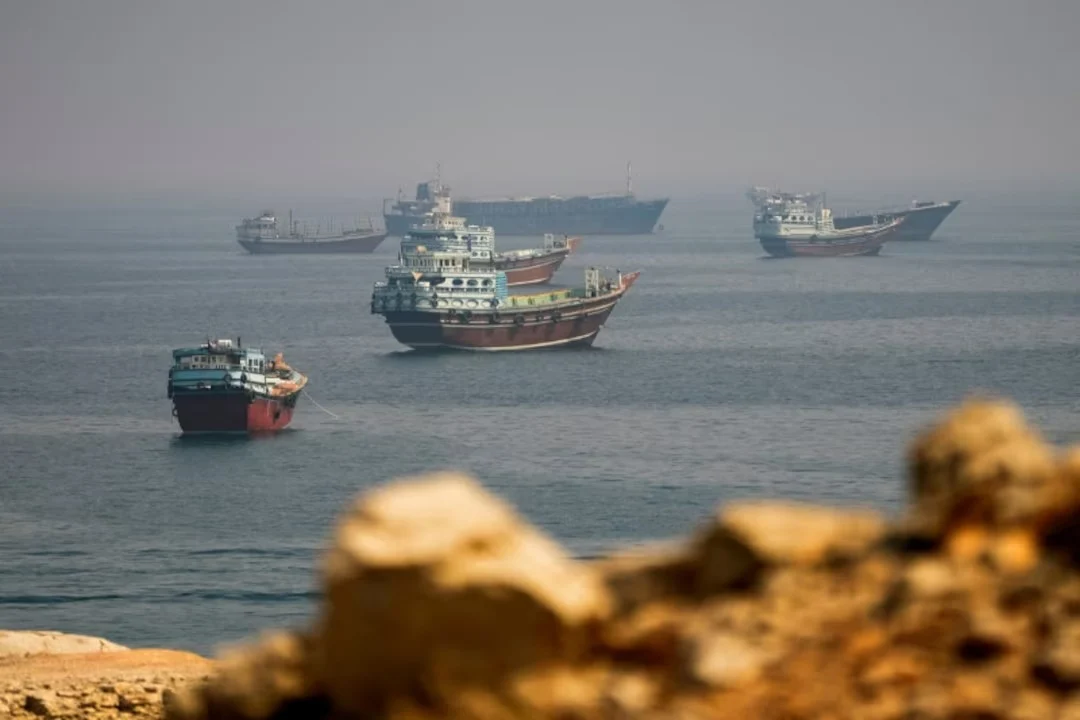
Maritime tracking data reveals that Hormuz traffic dwindles shipping volumes to a fraction of normal levels, as commercial vessels increasingly avoid the contested waterway amid sustained military conflict and the persistent threat of attack against passing ships.
This dramatic reduction in shipping traffic reflects a fundamental shift in how global maritime commerce operates, with companies increasingly concluding that the risks of transiting the strait outweigh the additional costs and delays associated with alternative routing arrangements.
Before the conflict began roughly six months ago, approximately one fifth of the world’s oil and natural gas supply moved through this narrow channel daily, making the current traffic reduction a significant disruption to established global energy supply chain patterns.
Insurance costs for vessels attempting Hormuz transits have climbed to levels that make many voyages economically unviable, with war risk premiums adding substantially to operational expenses that shipping companies must either absorb or pass through to their customers.
The compounding effect of simultaneous disruption at both the Strait of Hormuz and the newly contested Bab al-Mandab Strait creates unprecedented challenges, with two critical maritime chokepoints effectively compromised at the same time throughout the broader region.
Energy companies have increasingly explored alternative export routes, including expanded pipeline capacity and alternative port facilities, though such infrastructure development requires substantial time and investment before providing meaningful additional capacity for redirected shipping volumes.
Global energy prices have reflected this sustained supply chain disruption, with crude oil trading above one hundred dollars per barrel and diesel prices reaching record levels in various markets throughout the world affected by these combined shipping route challenges.
Shipping companies that continue operating in the region have implemented various additional security measures, including naval escort arrangements where available and modified transit timing designed to minimize exposure during periods of heightened military activity.
Regional economies dependent on maritime trade have felt significant impact from this traffic reduction, with port facilities throughout the Gulf experiencing reduced activity levels compared to historical norms established during periods of normal shipping operations.
International maritime organizations continue monitoring the situation closely, providing guidance to shipping companies while also advocating for diplomatic solutions that could eventually restore safe passage through these critically important international waterways.
As this reduced traffic pattern persists, the global economic consequences continue accumulating across multiple sectors dependent on efficient maritime trade. Until meaningful diplomatic progress emerges addressing the underlying conflicts, shipping companies will likely continue avoiding these contested waters despite the substantial additional costs involved.
