

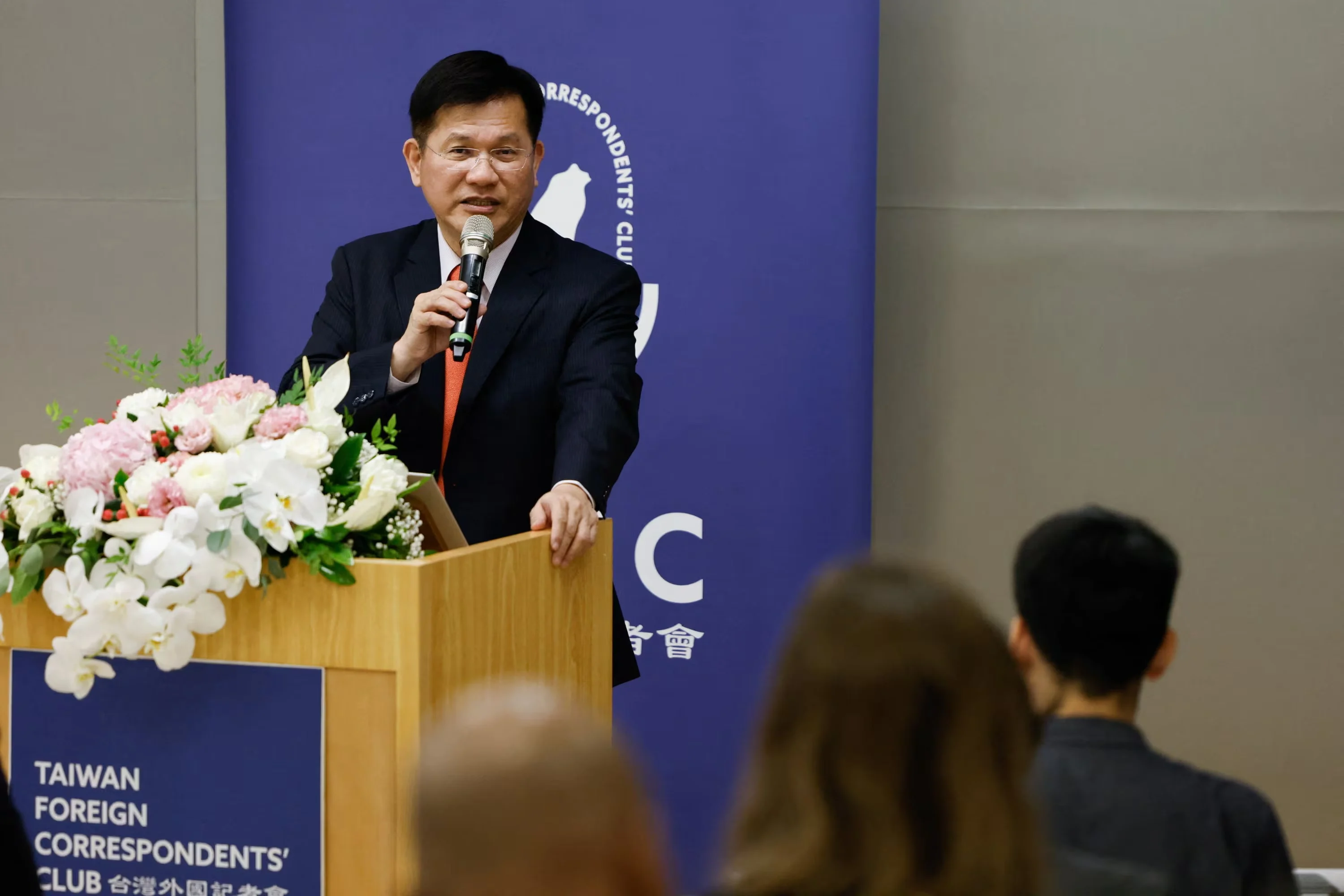
Taiwan’s foreign minister Lin Chia-lung is visiting Arizona to open a new representative office in Phoenix, strengthening unofficial ties between Taiwan and the United States. The visit was reported on October 5, 2026, as relations between Taiwan, Washington and Beijing remain closely watched.
Taiwan and the United States do not have formal diplomatic relations, but Washington is Taiwan’s most important international partner. The United States also remains the island’s main supplier of military equipment. The new office gives Taiwan another base for building political, economic and cultural links in the United States.
The Phoenix office is being described as a de facto consulate. It will help Taiwan work with officials, businesses and communities in Arizona. It can also support Taiwanese people living in the state and promote trade and investment between the two sides.
The opening comes at a sensitive time. China claims Taiwan as part of its territory and has repeatedly opposed stronger official links between Taiwan and other governments. Beijing has also criticized US arms sales to Taiwan and American political contacts with Taiwanese officials.
Washington has long followed a policy that supports Taiwan without formally recognizing it as an independent country. The United States says it wants peace and stability in the Taiwan Strait, while also helping Taiwan maintain the ability to defend itself.
Arizona has become an important center for technology and advanced manufacturing. The state is attracting major investment in computer chips and related industries. That makes it especially useful for Taiwan, which has a major role in the global semiconductor industry.
Taiwanese companies have strong links with the American technology sector. Cooperation between the two sides could therefore expand beyond politics and defense.
The new office may also help deepen economic ties. Taiwan wants to make its international supply chains more secure, while the United States wants to reduce dependence on China for some key technologies.
Semiconductors are at the center of this strategy. Modern phones, computers, cars and military systems all depend on advanced chips. Taiwan is one of the most important places in the world for their production.
China has criticized efforts by the United States and Taiwan to build closer technology links. Beijing argues that such steps are part of an attempt to contain China’s rise.
Taiwan rejects China’s claims over the island and says its future should be decided by its own people. The government has continued to strengthen ties with countries that support Taiwan’s participation in international trade and other global activities.
The Phoenix office does not change the formal diplomatic status between Taiwan and the United States. It does, however, show how much practical cooperation exists between them.
Lin’s visit also comes as both sides deal with wider security concerns. Taiwan is closely watching China’s military activity around the island, while Washington remains focused on maintaining stability in the Indo Pacific.
For Arizona, the office could bring new investment and stronger links with Taiwan’s technology sector. For Taiwan, it provides another way to build support in the United States.
The October 5 visit therefore carries both economic and diplomatic importance. It is another sign that Taiwan and the United States are building closer practical ties even without formal diplomatic relations.
China is likely to watch the development closely. As competition between Washington and Beijing continues, Taiwan remains one of the most sensitive issues in the relationship between the world’s two largest powers.
