

Ukraine is facing a growing financial crisis as Russia’s air campaign damages factories, cuts tax income and raises the cost of the war. A report published on October 5, 2026, said the country could face a revenue shortfall of about $40 billion this year. The pressure is growing as Kyiv tries to fund its army while also keeping basic public services running.
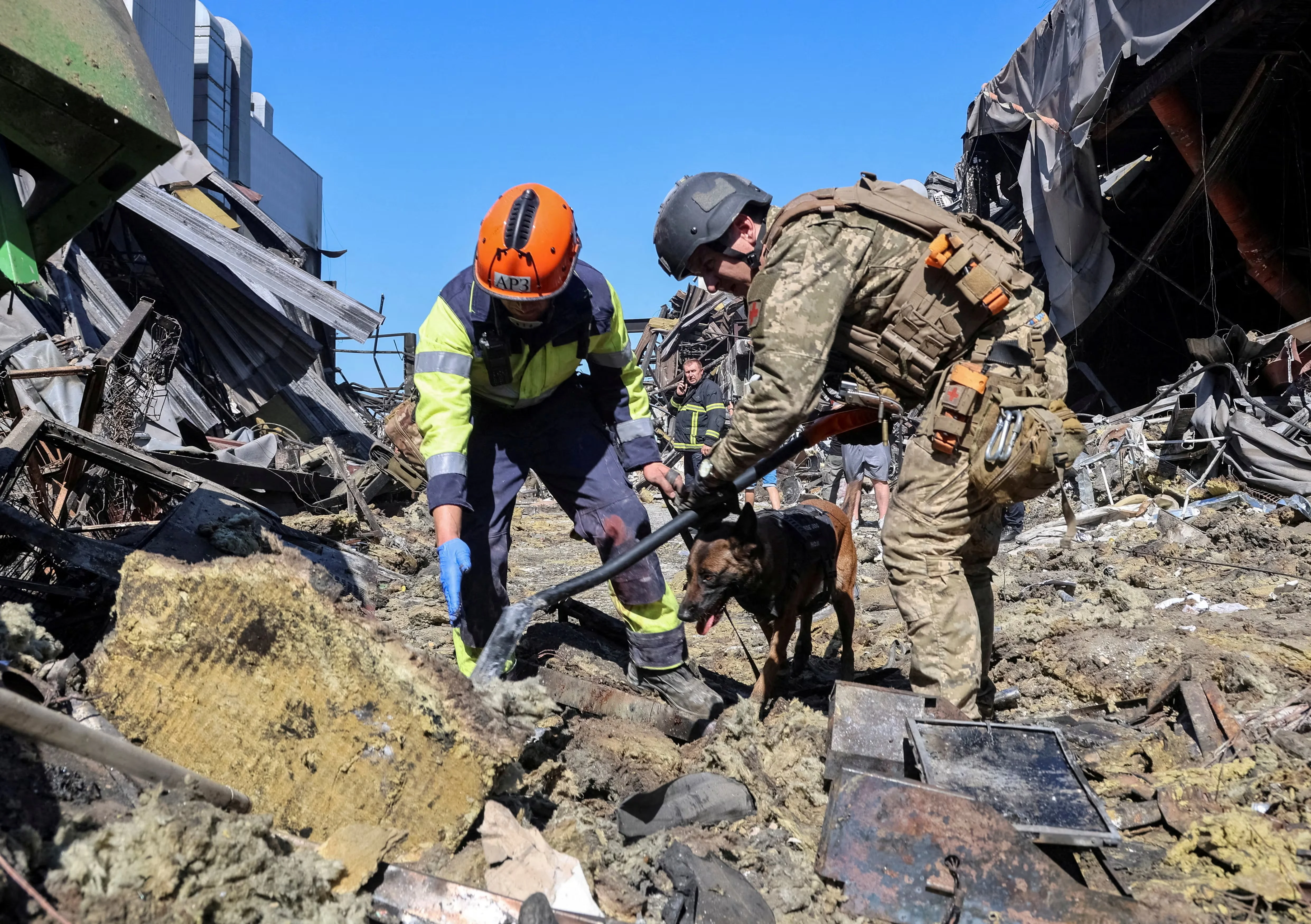
The economic damage is clear in Kryvyi Rih, a major industrial city and the home town of President Volodymyr Zelenskiy. Russian attacks have damaged factories and forced some major employers to stop work. One of the biggest steel plants in the city has been hit by missile strikes, hurting jobs and reducing tax income for the local government.
Ukraine’s steel industry has been one of the main parts of its economy for decades. The sector also brings in foreign currency through exports. Russian attacks have made production harder and have damaged key transport links. Agricultural exports have also suffered as the war continues to affect ports and shipping routes.
The financial cost of the war has become enormous. Ukraine is spending about $190 million every day on its defense effort, according to the report. The country needs weapons, ammunition, air defense systems and pay for its growing military force. These costs come while the government must still pay for schools, hospitals and other public services.
Foreign support remains vital. Ukraine is waiting for billions of dollars in outside aid, but some funds have been delayed because of disagreements over reforms. The government needs the money to keep its budget stable and to prevent the war from creating an even deeper economic crisis.
Finance Minister Sergii Marchenko has called for the use of frozen Russian assets to help cover Ukraine’s needs. Western countries have frozen large amounts of Russian money since the invasion. Kyiv says those funds should be used to help repair the damage caused by Russia.
The idea has strong political support in Ukraine, but it also raises legal and financial questions. Governments holding the assets must decide how they can be used without creating wider risks for the international financial system.
Ukraine’s economic problems are also linked to the wider energy crisis. Russian attacks on power facilities have damaged the country’s energy network. Winter could make the problem worse because homes and businesses need more electricity and heating.
The government has proposed a record defense budget of about $110 billion for 2027. That figure shows how much the war has changed Ukraine’s economy. Defense now takes priority over many other areas of spending.
The government is also asking for reforms that could unlock more European funding. Prime Minister Sergii Koretskyi has said that passing the needed reforms is urgent. Without the money, Ukraine could face a larger budget gap next year.
For ordinary Ukrainians, the economic crisis means more than numbers. Factory closures can remove jobs. Higher military spending can limit money for public services. Damaged roads, power systems and businesses can make daily life harder.
The October 5 report shows that Russia’s attacks are hurting Ukraine on the battlefield and in the economy. Kyiv still has strong international support, but the financial burden is growing.
Ukraine needs more foreign aid, stronger exports and stable public finances if it is to continue the war. Unless those pressures ease, the economic cost could become one of the country’s biggest challenges in the years ahead.
