

The Federal Reserve took decisive action this week, with Fed raises rates first time since 2023 marking a significant policy shift, unanimously approving a quarter percentage point increase that brought the benchmark federal funds rate to a target range of 3.75 to 4 percent.
This move represents the central bank’s first rate hike in nearly three years, reflecting officials’ growing concern that inflation, fueled significantly by soaring oil prices connected to the ongoing Middle East conflict, requires a more assertive policy response than previously anticipated.
The Federal Open Market Committee’s unanimous 12-0 vote reflects notable consensus among policymakers, a contrast to earlier meetings where only a smaller number of members had favored an immediate hike, suggesting growing agreement about the appropriate policy direction.
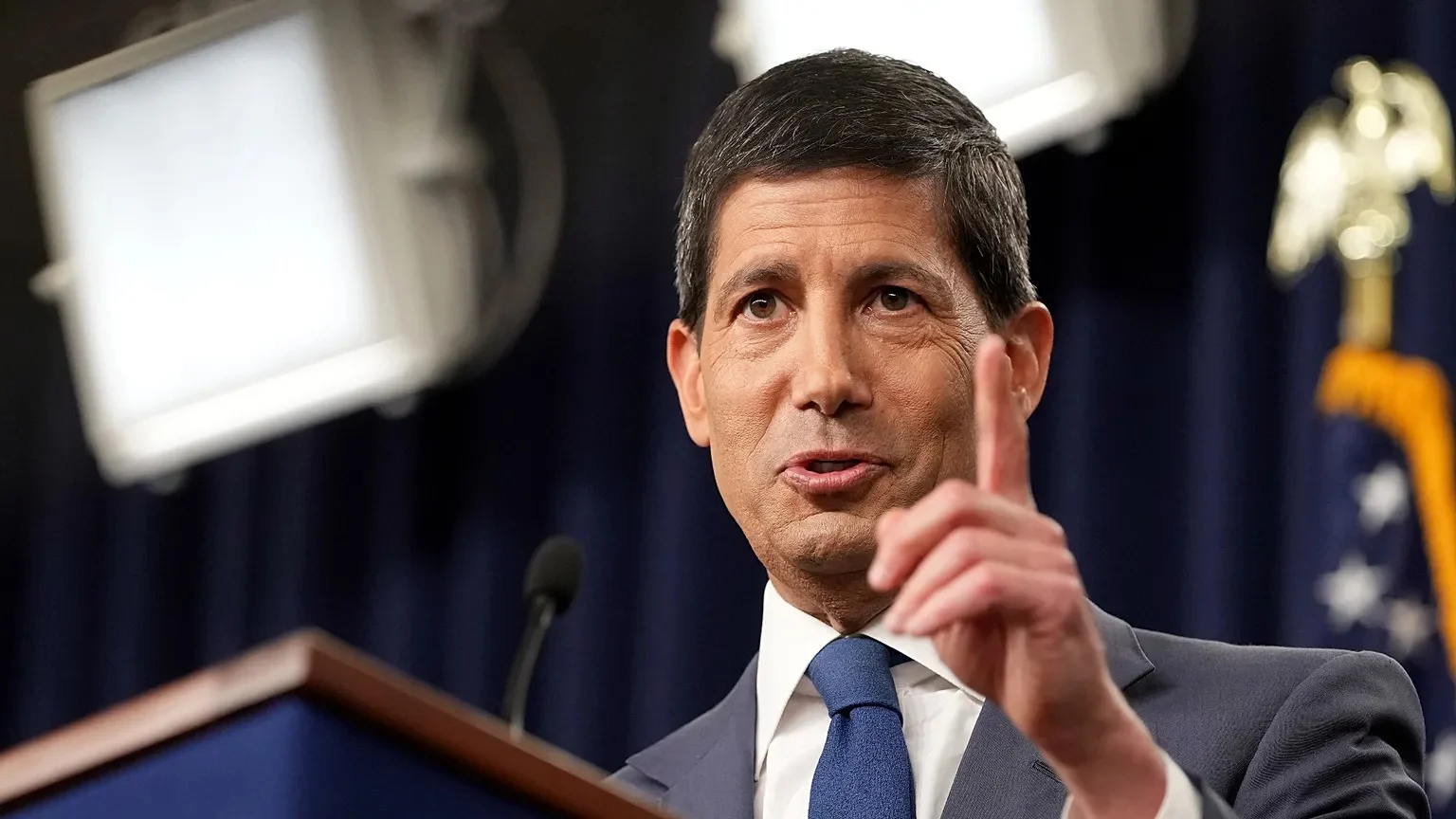
Fed Chair Kevin Warsh acknowledged during the post meeting press conference that the central bank lacks direct capability to address the primary source of current inflation, higher energy prices, even as officials feel compelled to respond given the risk of these pressures becoming more entrenched.
The committee’s brief statement noted that inflation remains elevated, while updated economic projections pointed toward the possibility of an additional rate increase before the year concludes, with sixteen of nineteen committee members projecting further hikes within the current year.
Officials specifically cited concerns that sustained high energy prices could eventually spread through the broader economy, raising inflation expectations beyond the immediate direct effects of fuel costs and potentially creating more persistent price pressure across various economic sectors.
The committee also lowered its unemployment rate outlook to 4.1 percent, a modest improvement from previous projections, suggesting officials view labor market conditions as sufficiently stable to support tighter monetary policy without excessive concern about employment impacts.
Economists have also highlighted expanded artificial intelligence infrastructure investment as a potential additional inflationary factor, with substantial capital spending in this sector potentially contributing to broader price pressures alongside the more immediately visible energy cost increases.
This rate decision arrives amid a complex economic backdrop combining persistent inflation, an extended geopolitical conflict affecting energy markets, and continued strong AI related investment, creating a genuinely challenging environment for monetary policymakers to navigate effectively.
Financial markets had widely anticipated this rate increase, with futures markets pricing in significant probability of a hike heading into the decision, meaning the actual announcement provided confirmation of expectations rather than a major surprise for most market participants.
As this first rate hike since 2023 takes effect, attention now shifts toward whether the projected additional increase materializes before year end. This decision marks a significant shift in monetary policy direction after an extended period of rate stability preceding this consequential meeting.
