

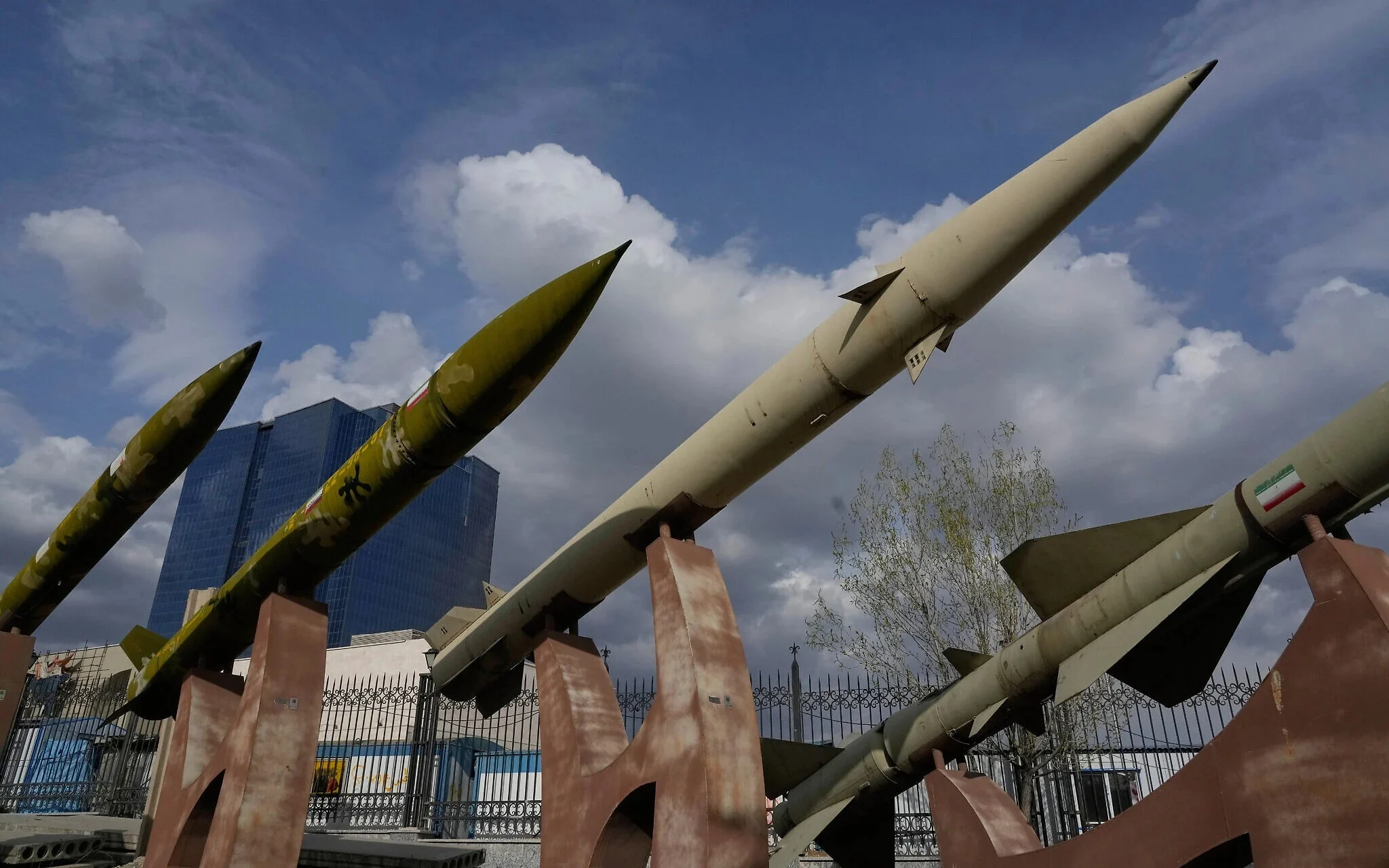
Military analysts examining recent attacks now believe Jordan Iranian missiles degraded capability data reveals a notably high failure rate, with roughly half of the ballistic missiles launched toward Jordan in recent days failing to reach their intended targets successfully.
This assessment suggests that months of sustained strikes against Iranian missile production sites, stockpiles, and launch facilities have meaningfully degraded the country’s longer range missile capabilities, which remain necessary for any significant strike against distant targets.
Jordan’s army reported intercepting the majority of missiles launched at its territory, with several others landing harmlessly in remote areas, a pattern that analysts say reflects both improved regional air defense coordination and genuine technical decline in Iranian missile reliability.
Military researchers tracking the conflict note that combined force strikes on Iranian missile infrastructure dating back to earlier this year appear to have produced cumulative effects, gradually reducing the sophistication and reliability of weapons systems that once posed a more significant regional threat.
This degradation carries potentially significant implications for how Iranian leadership approaches future military decisions, with reduced confidence in missile reliability possibly influencing whether officials pursue further large scale strikes or shift toward alternative military and diplomatic approaches.
Regional security analysts suggest Iranian decision makers may now prefer more limited, symbolic military responses that require fewer missiles, given the reported unreliability of longer range systems needed for strikes against more distant or heavily defended targets throughout the region.
The assessment adds important context to the broader six month conflict, suggesting that sustained military pressure has produced measurable results beyond the immediate battlefield effects most closely tracked in daily reporting on the extended confrontation.
Iranian officials have not publicly acknowledged this assessed capability decline, though the pattern of recent attacks landing with reduced precision and higher failure rates provides external observers with meaningful evidence supporting the degraded capability conclusion.
International observers continue monitoring how this apparent capability reduction might affect the broader trajectory of the conflict, particularly regarding whether Iran’s diminished missile reliability could eventually create pressure toward more serious diplomatic engagement.
Jordan’s continued success intercepting incoming threats, even amid this reported Iranian capability decline, reflects the substantial investment the kingdom has made in air defense infrastructure throughout an extended period of regional instability affecting its territory repeatedly.
As this assessment continues informing regional security analysis, attention remains focused on how Iran might adapt its military strategy going forward. This apparent capability degradation adds a significant new dimension to understanding the conflict’s trajectory after more than six months of sustained hostilities.
