

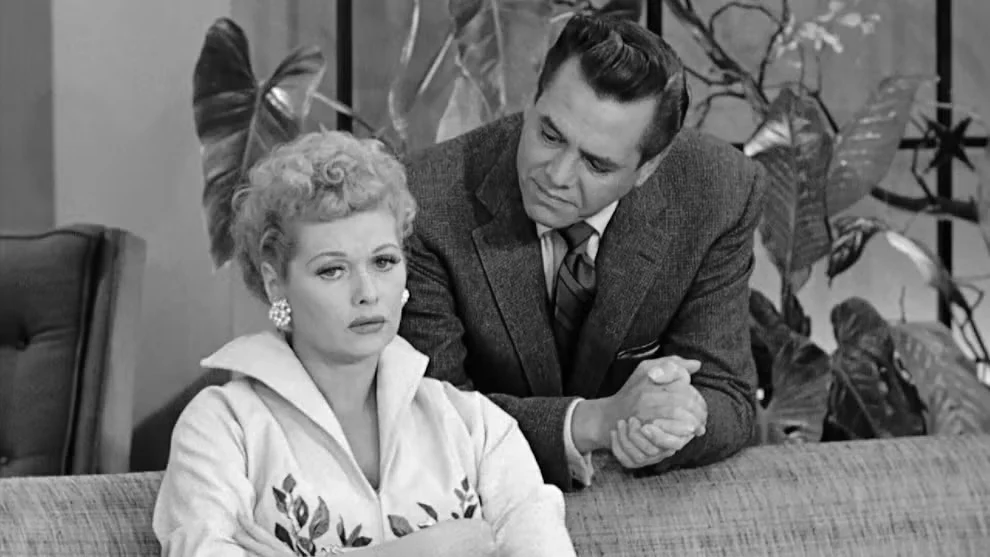
Television history received special recognition this week, as classic sitcom I Love Lucy first Legacy Award honor at this year’s Primetime Emmy Awards marked the inaugural presentation of a new category specifically celebrating programs that fundamentally shaped television’s development.
This newly introduced award reflects the Television Academy’s effort to formally acknowledge programs whose influence extends far beyond their original broadcast run, recognizing foundational contributions that continue shaping how television storytelling and production techniques function today.
I Love Lucy, which originally aired during the 1950s, pioneered numerous production techniques still used throughout the television industry, including multi camera filming approaches and narrative structures that became standard practice for subsequent generations of situation comedy programming.
The show’s cultural impact extended well beyond technical innovation, breaking significant ground in areas including physical comedy performance, the portrayal of working women navigating career and domestic life, and establishing enduring templates for ensemble comedy character dynamics.
Television historians have long credited the series with establishing fundamental conventions that countless subsequent comedies have built upon, making this formal Legacy Award recognition a fitting acknowledgment of contributions that many viewers may take for granted given their thorough integration into standard television practice.
The decision to establish this new award category reflects broader industry recognition that television’s rapid evolution sometimes obscures appreciation for foundational programs whose innovations became so thoroughly normalized that their original groundbreaking nature becomes less apparent to contemporary audiences.
This inaugural presentation likely establishes a template for future Legacy Award recognition, potentially highlighting other historically significant programs in coming years that similarly shaped television conventions many viewers now consider simply standard industry practice.
Industry professionals have generally welcomed this new recognition category, viewing it as valuable acknowledgment of television history that complements the Academy’s traditional focus on contemporary programming achievement within any given eligibility year’s specific competitive categories.
The show’s continued cultural relevance, evidenced through ongoing syndication and cultural references decades after its original broadcast run, demonstrates the kind of lasting impact this new award category specifically aims to formally recognize and celebrate going forward.
Television scholars have noted that formal recognition like this Legacy Award helps preserve institutional memory about television’s development, ensuring that foundational contributions receive appropriate acknowledgment even as the industry continues rapidly evolving toward new formats and platforms.
As this first Legacy Award recognition generates renewed attention to television history, industry observers anticipate future ceremonies will continue this practice of formally honoring programs whose influence fundamentally shaped the medium beyond their own original broadcast era and immediate audience.
