

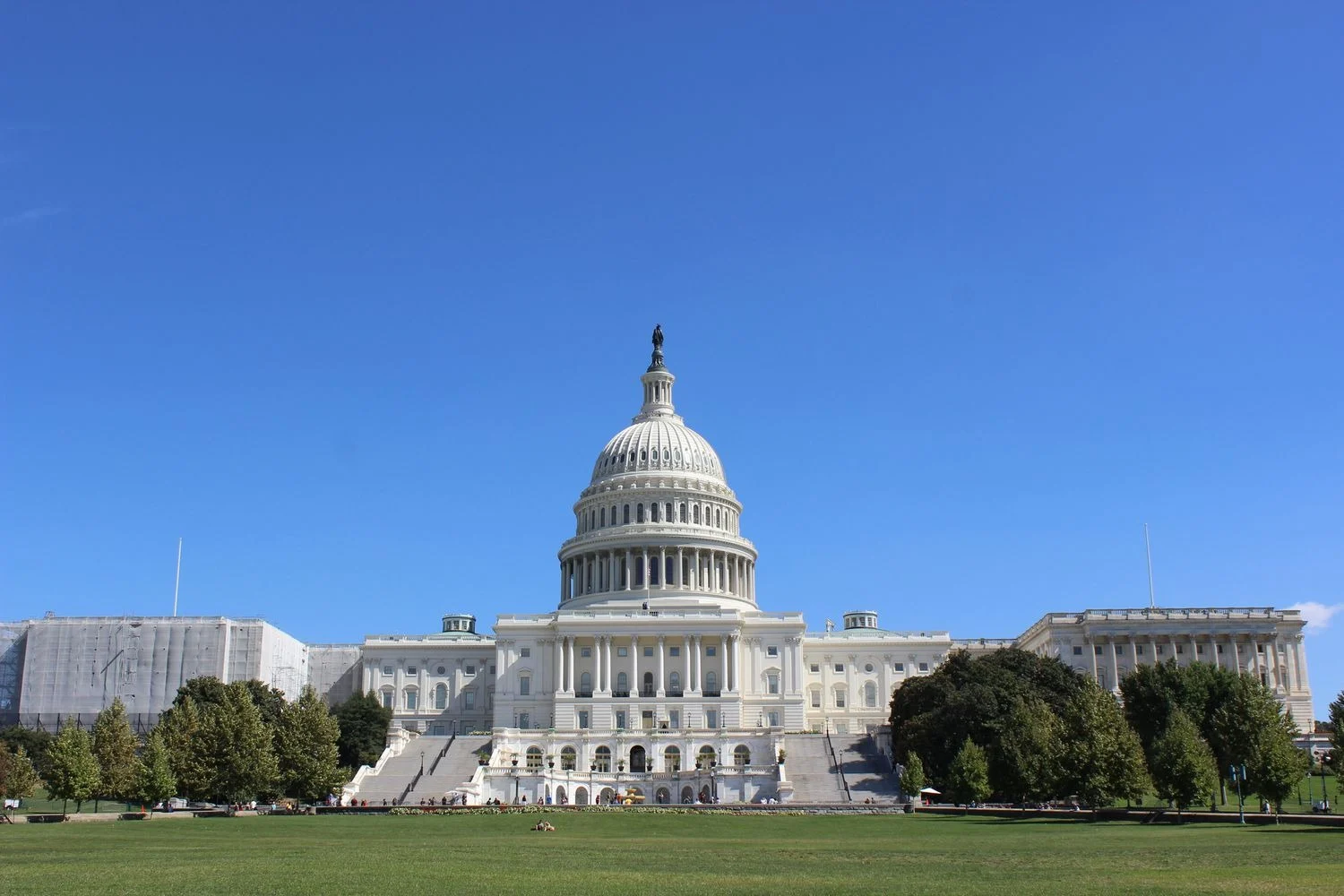
Schools, government offices, and civic organizations across the country are marking Constitution Day founding document observances today, commemorating the anniversary of the United States Constitution’s signing by delegates at the Constitutional Convention in Philadelphia.
This annual observance carries particular educational significance, with federal law requiring schools receiving federal funding to provide educational programming about the Constitution on or near this date, ensuring students engage with this foundational document’s history and continued relevance.
The Constitution’s signing represented the culmination of extensive debate and compromise among convention delegates, establishing the fundamental framework for American governance that has endured, with amendments, for well over two centuries since its original adoption.
Educational programming connected to this observance typically explores both the historical circumstances surrounding the Constitution’s creation and its continued practical relevance to contemporary governance questions, helping students understand connections between historical foundations and current civic life.
Naturalization ceremonies are frequently scheduled around this observance, with new American citizens taking their oath of allegiance on or near Constitution Day, creating a meaningful connection between the historical document and the ongoing process of American citizenship.
Legal scholars and constitutional law experts often participate in educational events connected to this observance, offering public lectures and discussions that explore both historical constitutional interpretation and contemporary debates about the document’s application to modern circumstances.
Government agencies typically incorporate Constitution related programming into their observance activities, recognizing employees’ connection to constitutional principles that underpin their official duties and the broader governmental structure within which they operate.
This observance also provides opportunities for civic organizations to promote broader constitutional literacy, encouraging citizens to develop deeper understanding of their fundamental rights and the governmental structures established through this founding document’s various provisions.
Museums and historical sites connected to constitutional history often see increased visitor interest around this observance, with many organizing special programming that helps visitors understand the document’s creation and its ongoing significance to American governance.
Civic education advocates emphasize that constitutional literacy remains important for informed citizenship, arguing that understanding foundational governmental structures helps citizens better engage with contemporary political and legal questions throughout their lives as active participants in democracy.
As this observance continues today, Americans across the country are encouraged to reflect on the Constitution’s continued significance. This day serves as an important annual reminder of the foundational document that continues shaping American governance and civic life after more than two centuries.
