

Oil prices are shifting again as new talks aim to ease shipping trouble in the Strait of Hormuz. This narrow waterway carries a large share of the world’s oil. Any change there tends to move markets fast.
Recent data shows oil prices settling near 88 dollars a barrel. That is lower than earlier peaks during the conflict. Still, prices remain far above levels seen before the war began.
Two nearby countries have reached a new understanding. They agreed on how to share the strait’s waters and any future revenue. This step could help ease months of disrupted shipping. Officials caution, though, that this deal does not mean the strait will reopen right away.
Before the war, roughly 20 million barrels of oil moved through the strait each day. That is close to a fifth of the world’s total supply. During the worst months of the conflict, that number dropped sharply. Recent estimates suggest flows have climbed back to around 15 or 16 million barrels a day. That is still well below normal, but it marks real progress.
Large financial firms have been tracking the recovery closely. One well-known bank estimates that exports from the wider Gulf region have returned to about two-thirds of their pre-war levels. That is a notable improvement from the lowest point earlier this year.
Even so, uncertainty remains high. One government has said it will not return to the terms of an earlier deal that fell apart in June. This suggests that a full resolution could still be far away. Markets do not like this kind of uncertainty, and traders continue to watch every new headline closely.
Global fuel markets are feeling the strain in other ways too. Diesel supplies are especially tight. Attacks on refineries elsewhere have added to the squeeze. Combined with the ongoing Gulf disruption, this has kept fuel costs high for businesses and drivers around the world.
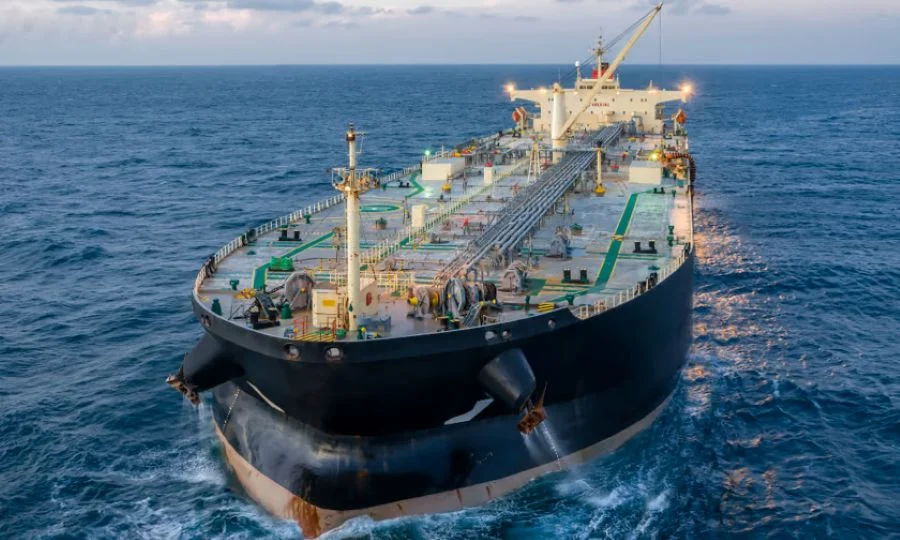
Shipping tracking services have offered a clearer picture of daily traffic. On one recent day, seven vessels passed through the strait. That is far below the normal pace before the war, when over a hundred ships might pass through in a similar window. The mix of ships crossing includes fuel tankers, gas carriers, and general cargo vessels.
Another major route in the region, used by many cargo ships heading toward the Gulf of Aden, has also seen steady traffic. This alternate path has become more important as shippers try to avoid risk near the strait itself.
Analysts say the coming weeks will show whether the new framework leads to real change. If shipping volumes keep rising, oil prices could ease further. If talks stall, prices may swing upward again.
For now, the message from markets is caution. Oil traders are watching diplomacy as closely as they watch supply numbers. Every small step toward peace or conflict moves prices within hours.
Businesses that depend on oil and fuel are hoping for stability soon. Factories, airlines, and shipping companies all plan around fuel costs. A calmer Strait of Hormuz would help stabilize budgets across many industries worldwide.
Until a lasting deal is reached, prices are likely to stay sensitive to any news from the region.
