

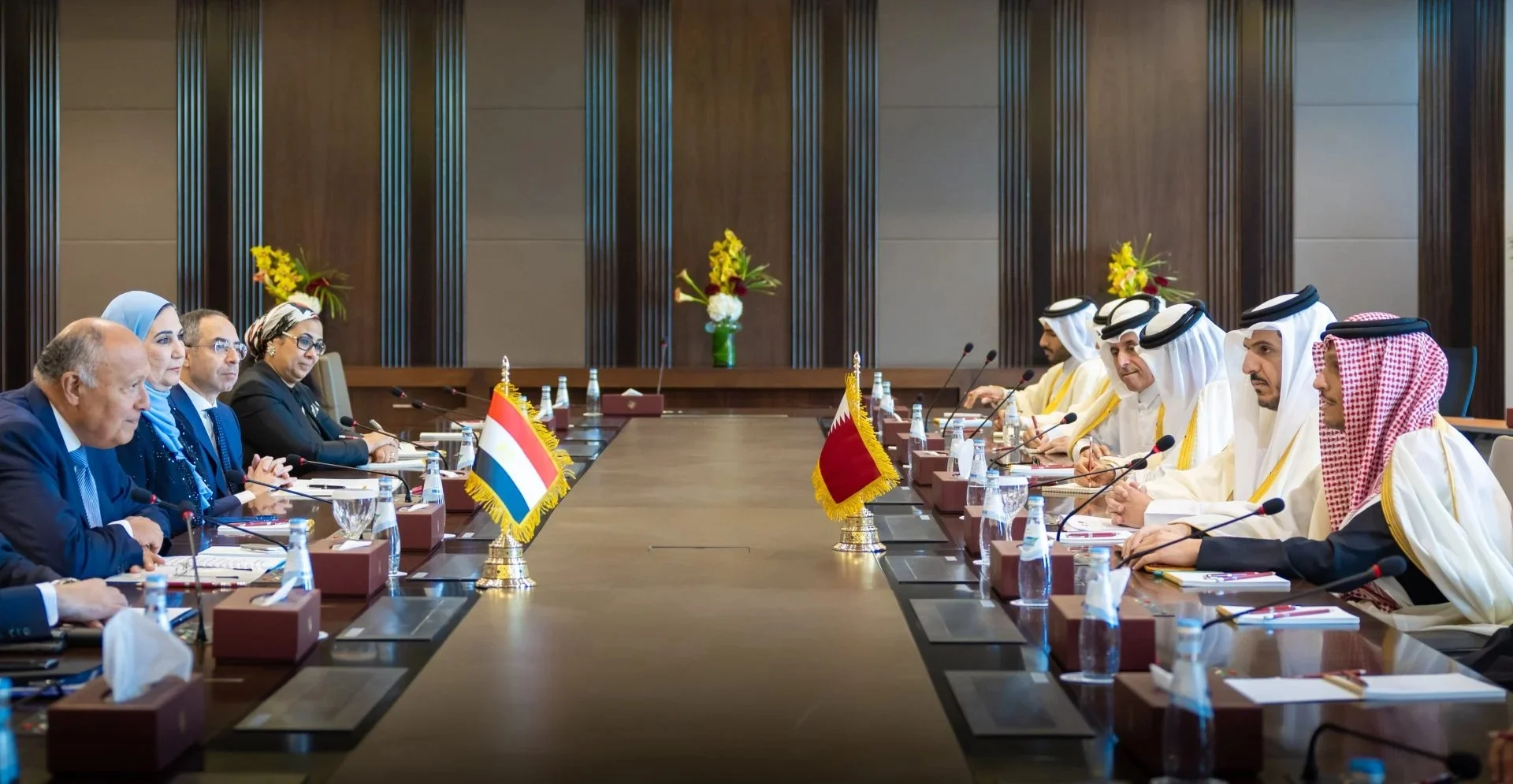
Qatar has emerged as a central mediator in ongoing negotiations between the United States and Iran over a potential deal to reopen the Strait of Hormuz, according to reports from officials familiar with the talks, which reportedly entered a more technical stage this week on the sidelines of the United Nations General Assembly gathering in New York. Oil prices fell to around ninety-three dollars a barrel on Friday, snapping a two-day rally, as markets reacted to reports suggesting the two sides were making genuine progress toward a phased agreement.
Under the emerging framework being discussed, the United States would potentially lift its naval blockade on Iranian ports as part of a broader deal that would see Iran reopen the strategically vital waterway, which historically carries a substantial share of the world’s seaborne crude oil trade. Iran has maintained throughout the negotiations that it must retain effective control over the strait and has indicated it would not accept any final arrangement unless the United States meaningfully eases its military pressure and fully removes the current blockade affecting Iranian shipping.
A White House official, commenting on the state of negotiations, indicated that President Trump remains genuinely open to continued talks with Iran but stressed that the United States sees little urgent need to rush toward an agreement, given what officials characterized as America’s strong negotiating position following its sustained sanctions campaign and naval blockade. This characterization suggests Washington believes time and continued economic pressure currently favor its negotiating position, even as oil market volatility tied to the ongoing standoff continues creating broader economic costs.
Despite the modest reprieve represented by Friday’s price decline, the American oil benchmark remains down by only a small amount for the week overall, reflecting genuinely persistent uncertainty among traders about whether the reported diplomatic progress will translate into an actual finalized agreement. Energy market analysts have cautioned that reports of technical-stage negotiations, while encouraging, have not always historically translated into swift final agreements in this particular ongoing crisis, given the complexity of the issues involved and the significant trust deficit between the two negotiating parties.
Qatar’s role as mediator reflects the country’s broader positioning as a diplomatic bridge-builder within complex Middle Eastern negotiations, a role it has cultivated across multiple regional conflicts in recent years. This mediating position allows Qatar to maintain working relationships with parties that often have minimal or no direct diplomatic contact with one another, positioning the small but wealthy Gulf state as an increasingly important player in regional diplomatic efforts extending well beyond its immediate geographic size or population.
Market participants continue watching closely for any further developments in these negotiations, given the substantial implications a genuine resolution could have for global energy prices and broader economic stability. A successful reopening of the Strait of Hormuz would likely provide meaningful relief to energy markets that have experienced considerable volatility throughout recent months, potentially easing some of the inflation pressures that have weighed on economies well beyond the immediate region directly involved in the conflict.
As negotiations continue into the coming week, both the substance of any eventual agreement and its precise timing remain genuinely uncertain. Energy traders and broader financial markets will likely remain highly sensitive to any further reports emerging from these talks, given how directly developments in this specific negotiation continue to influence oil prices and, by extension, broader economic conditions across numerous countries with no direct involvement in the underlying conflict itself.
