

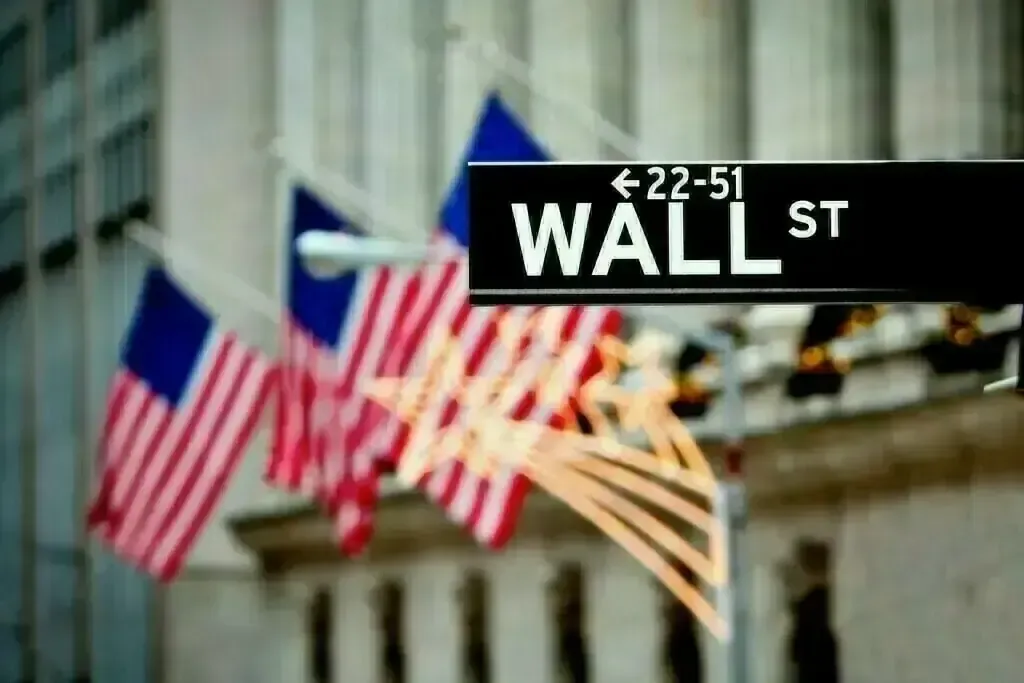
Wall Street closed out yesterday’s session with stocks and bonds both moving lower, as elevated oil prices reignited inflation worries just as a Federal Reserve official signaled that further interest rate increases may still be necessary. The combination weighed heavily on markets that had rallied earlier in the week toward record territory, with technology shares among the hardest hit as investors reassessed how sustainable the recent artificial intelligence-driven rally in chipmaker stocks might actually be given these emerging headwinds.
Federal Reserve Governor Michael Barr told reporters that additional monetary tightening was likely still needed to bring inflation back down to the central bank’s target level, a statement that landed with considerable weight given how closely markets have been watching for any signals about the future direction of interest rate policy. His comments came alongside fresh economic data showing that business activity in the United States had accelerated at its fastest pace since 2021, adding further fuel to concerns that the economy may be running hot enough to complicate the Fed’s efforts to control price growth.
Oil prices played a central role in yesterday’s market movements, with Brent crude briefly topping one hundred one dollars a barrel before easing slightly as the trading day progressed. This marked a notable reversal from earlier in the week, when prices had dipped below one hundred dollars for the first time in weeks amid hopes for diplomatic progress between the United States and Iran. The renewed climb higher reflected ongoing uncertainty about how that diplomatic process might ultimately resolve, with traders remaining highly sensitive to any headlines suggesting either escalation or de-escalation in the region.
Treasury yields moved sharply higher alongside the renewed inflation concerns, with the ten-year yield reportedly reaching its highest level since 2007, a striking benchmark that underscores just how significantly bond markets have repriced expectations for interest rates over the course of this year. Higher yields of this magnitude typically translate into higher borrowing costs throughout the broader economy, affecting everything from mortgage rates to corporate financing costs in ways that can meaningfully slow economic activity if sustained over an extended period.
Chipmakers, which had been leading market gains for much of the year on the strength of artificial intelligence-related demand, saw notable declines during yesterday’s session as investors took some profits amid the broader risk-off sentiment sweeping through markets. This pullback in a sector that has driven so much of the market’s overall performance this year illustrates how quickly sentiment can shift when macroeconomic concerns resurface, even for companies with otherwise strong underlying fundamentals and continued robust demand for their products.
Today’s trading is expected to focus heavily on developments from the high-profile summit taking place at the White House between the American and Chinese presidents. Any signals about extending the current trade truce, or conversely any indications of renewed friction between the two economic powers, could quickly move markets in either direction given how closely investors have been tracking this particular diplomatic relationship throughout the year.
As markets navigate this complex mix of competing signals, from a hawkish Federal Reserve to volatile oil prices to a consequential diplomatic summit unfolding in real time, analysts say volatility is likely to remain elevated in the near term. The underlying strength of corporate earnings, which have shown remarkable resilience throughout the year, continues to provide some ballast for stock valuations, even as investors work through this particularly dense stretch of potentially market-moving news.
