

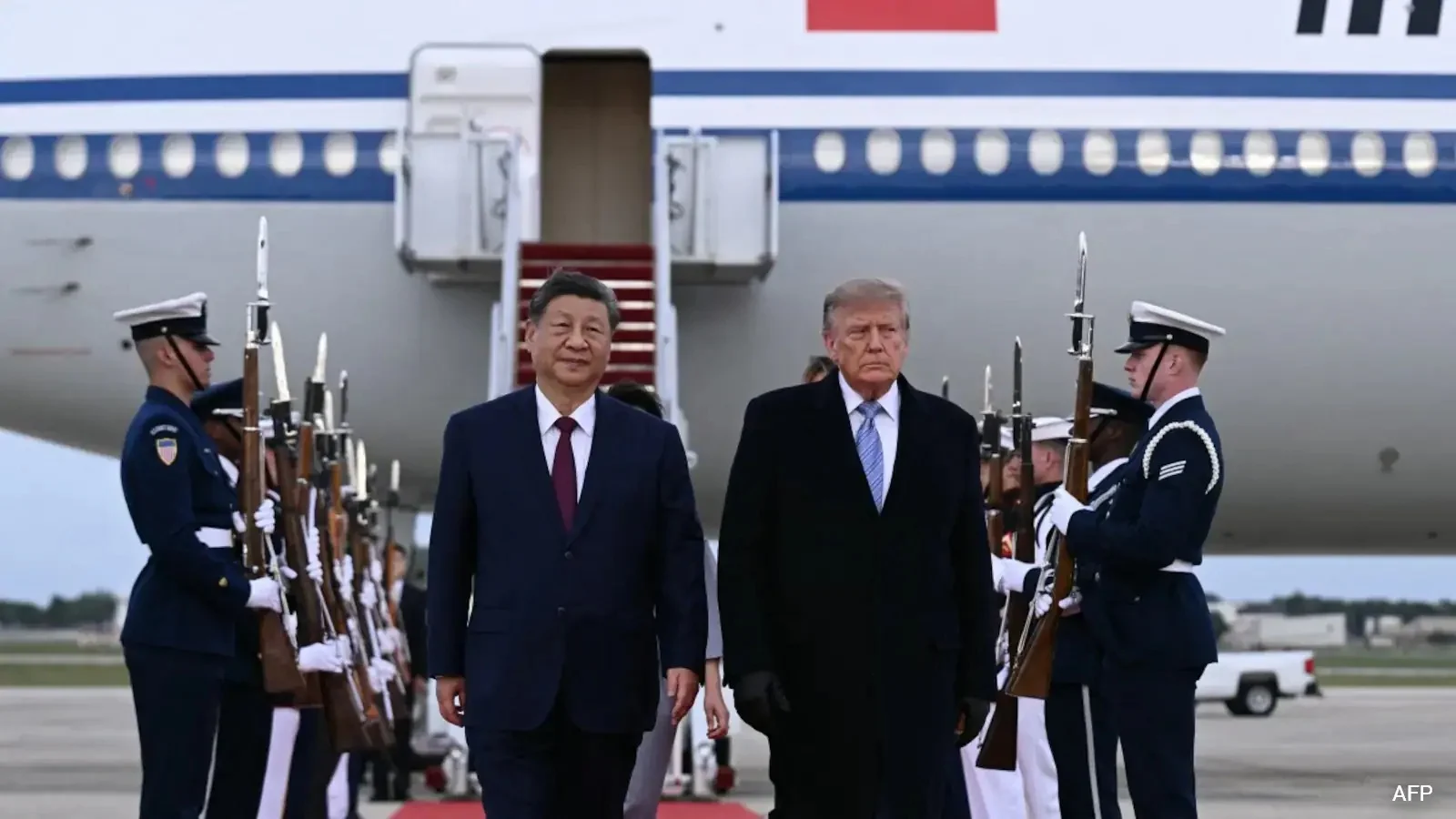
President Trump and Chinese President Xi Jinping have agreed to extend their existing trade truce by an additional two months, pushing the previous November deadline back to January 10, 2027, according to an announcement made by Treasury Secretary Scott Bessent just as Xi landed in Washington for his historic state visit earlier this week. The extension removes much of the immediate pressure that had been building around Xi’s visit, providing both governments additional breathing room to work through the more complicated structural issues that continue to define their broader economic relationship.
The original truce, first established following the two leaders’ meeting last October in South Korea and subsequently expanded during Trump’s visit to Beijing in May, had reduced the effective American tariff rate on Chinese goods from fifty-seven percent down to forty-seven percent, while both sides agreed to suspend various export controls on rare earth minerals and high-technology products for a full year. Extending this arrangement, even by a relatively modest two months, signals that neither government currently sees value in allowing the temporary stability achieved through months of careful negotiation to lapse before a more permanent framework can be established.
During bilateral meetings held at the White House, Xi reportedly called for renewed dialogue and negotiations specifically regarding Iran, according to China’s state-run news agency, with the Chinese leader stating that his government has sought to help de-escalate regional tensions and believes that the sovereignty and security of all nations should be respected throughout any resolution process. This represents a notable area where Beijing has expressed willingness to play a more active diplomatic role, even as the broader American-Chinese relationship remains defined primarily by economic competition rather than deep strategic cooperation.
In a lighter but symbolically notable gesture during the visit, Xi announced that China will send two giant pandas to Zoo Atlanta as a goodwill gesture, following Beijing’s earlier decision to recall four pandas from American zoos amid the broader trade tensions of recent years. While seemingly a minor detail within the context of a summit addressing trade, artificial intelligence, and regional security, panda diplomacy has historically served as a meaningful barometer of the overall temperature in the relationship between the two countries, making this announcement a small but noticed signal of improving atmosphere between the two governments.
Analysts covering the summit have generally described the meeting’s outcomes as narrow but genuinely useful, predicting limited tariff relief, potential expansion of agricultural purchase commitments, and pledges to cooperate on issues including artificial intelligence safety and the ongoing situation in Iran. Treasury Secretary Bessent, reflecting on the broader trajectory of the relationship following preparatory talks held over the weekend, noted that the outcome has so far proven favorable for China specifically regarding a pause on American military equipment exports, expressing hope that this particular pause could eventually be extended or even expanded to cover additional categories of more sensitive weaponry.
Financial markets responded with cautious relief to news of the extended truce, even as broader market conditions remained pressured by unrelated concerns including elevated oil prices and rising Treasury yields tied to persistent inflation worries. Business leaders with significant exposure to trade between the two economies expressed particular relief at avoiding any near-term disruption to existing arrangements, even while acknowledging that the underlying structural tensions between the world’s two largest economies remain fundamentally unresolved despite this latest extension.
Looking ahead, the two leaders are scheduled to meet twice more before the year concludes, with a planned gathering in Shenzhen expected in November and a joint appearance at a major international summit in Miami planned for December. This frequency of continued direct engagement, while not guaranteeing any particular breakthrough on the more difficult unresolved issues between the two nations, at minimum reflects a mutual preference for sustained dialogue over allowing tensions to escalate into open confrontation between two economies whose fortunes remain deeply intertwine
