

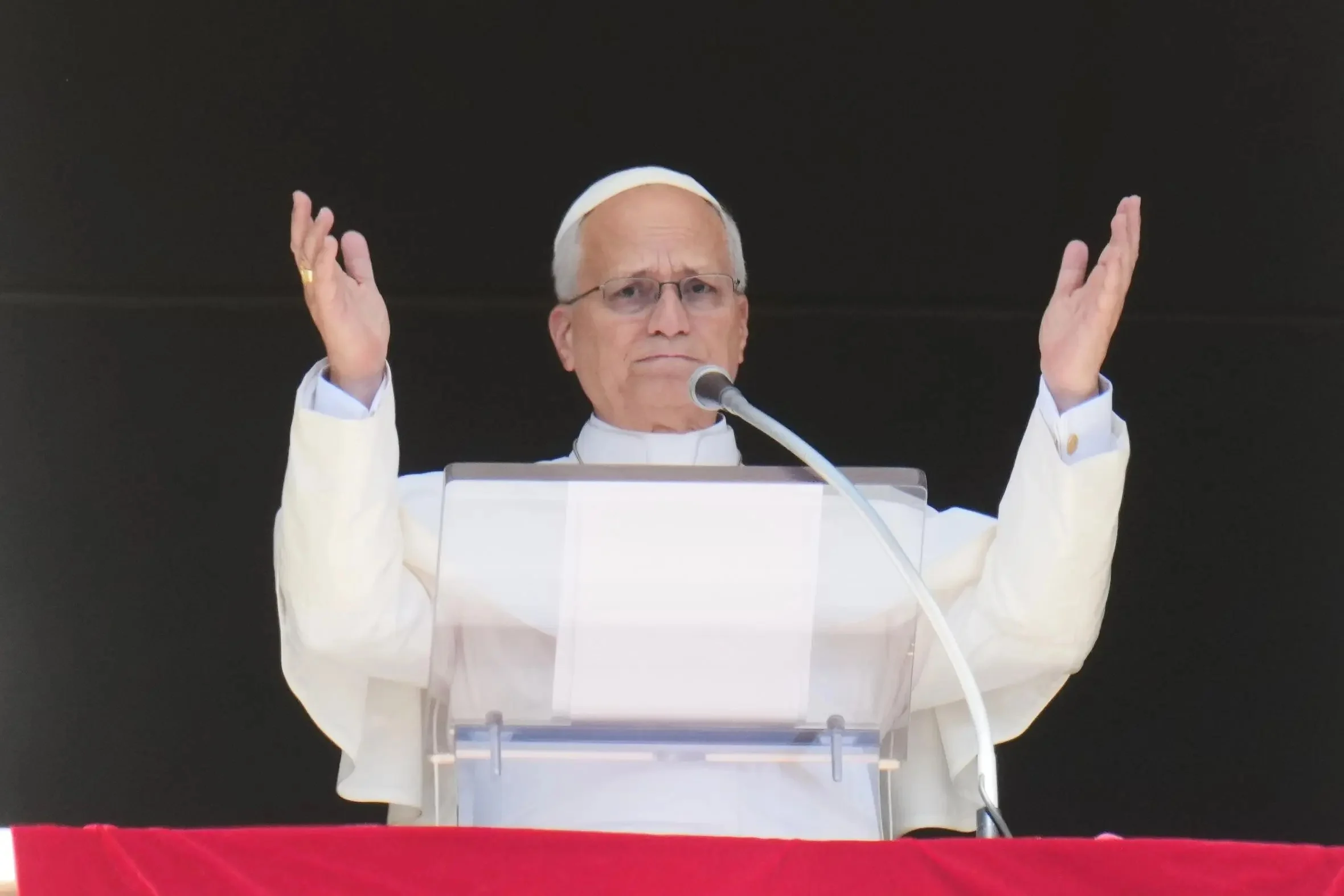
Pope Leo XIV landed at Paris-Orly Airport this morning, marking the beginning of his first official state visit to France and the first papal trip to the country in eighteen years. Church bells rang out across France for seven full minutes at the exact moment of his arrival, a coordinated nationwide gesture organized by the Bishops’ Conference of France to mark the historic occasion. The four-day apostolic journey, which will also take the pope to Lourdes and the northeastern city of Metz, is expected to draw more than one million people over its course, according to estimates from French church officials.
Following his arrival, the pope traveled directly to the Élysée Palace for meetings with French President Emmanuel Macron and other senior civil authorities, a customary diplomatic component of papal state visits that allows for direct dialogue between the Vatican and the host nation’s government on matters of shared concern. These discussions typically touch on a range of political and social topics, and Vatican officials have indicated this particular visit will likely address France’s ongoing national conversations about identity, secularism, and the relationship between faith and rapidly advancing technology, including artificial intelligence.
This afternoon’s schedule includes a visit to the headquarters of UNESCO, the United Nations’ educational, scientific, and cultural organization, reflecting the broader themes of culture and international cooperation that Vatican officials have said will run throughout the visit. Later, the pope will travel through the streets of Paris in the popemobile, following a route from Boulevard Montparnasse toward Place Saint-Michel, giving members of the public along the way an opportunity to see him in person as extensive security measures remain in place throughout the affected areas of the city.
This evening, Pope Leo XIV will preside over a celebration of Solemn Vespers at Notre-Dame Cathedral, joined by bishops, priests, deacons, religious men and women, and seminarians from across the country, before continuing to the Stade de France for a large evening vigil specifically organized for young people. Notre-Dame itself has been closed to regular visitors since earlier this week to accommodate preparations for this significant liturgical moment, which will mark one of the first major papal events held at the cathedral since its extensive restoration following the devastating fire several years earlier.
Tomorrow’s schedule shifts to an open-air Mass at Place de la Concorde, extending along the Champs-Élysées, before the pope continues his journey to the pilgrimage site of Lourdes and later to Metz, where his visit is expected to focus specifically on themes of European unity and peace. Vatican officials have described this broader journey as the pope’s fifth international apostolic trip since the beginning of his pontificate, underscoring the significance French church leaders have placed on securing this particular visit after nearly two decades without an official papal presence in the country.
Security planning for the visit has been extensive, with authorities establishing rolling perimeters around key sites throughout the day and adjusting public transportation schedules to accommodate the enormous crowds expected to gather at each stop along the pope’s route. Paris transit officials have warned residents to anticipate significant disruptions to bus service in the affected neighborhoods, while emphasizing that the scale of preparation reflects the historic nature of hosting an event of this magnitude in the French capital for the first time in a generation.
As the visit continues over the coming days, French officials and church leaders alike appear focused on ensuring both the spiritual significance and the practical logistics of hosting such an enormous gathering proceed smoothly. Whatever specific messages emerge from the pope’s meetings with civil authorities and his broader public appearances, the sheer scale of anticipated attendance already signals that this visit represents a genuinely significant moment for French religious and civic life, one that officials say will likely be remembered and discussed for years to come.
