

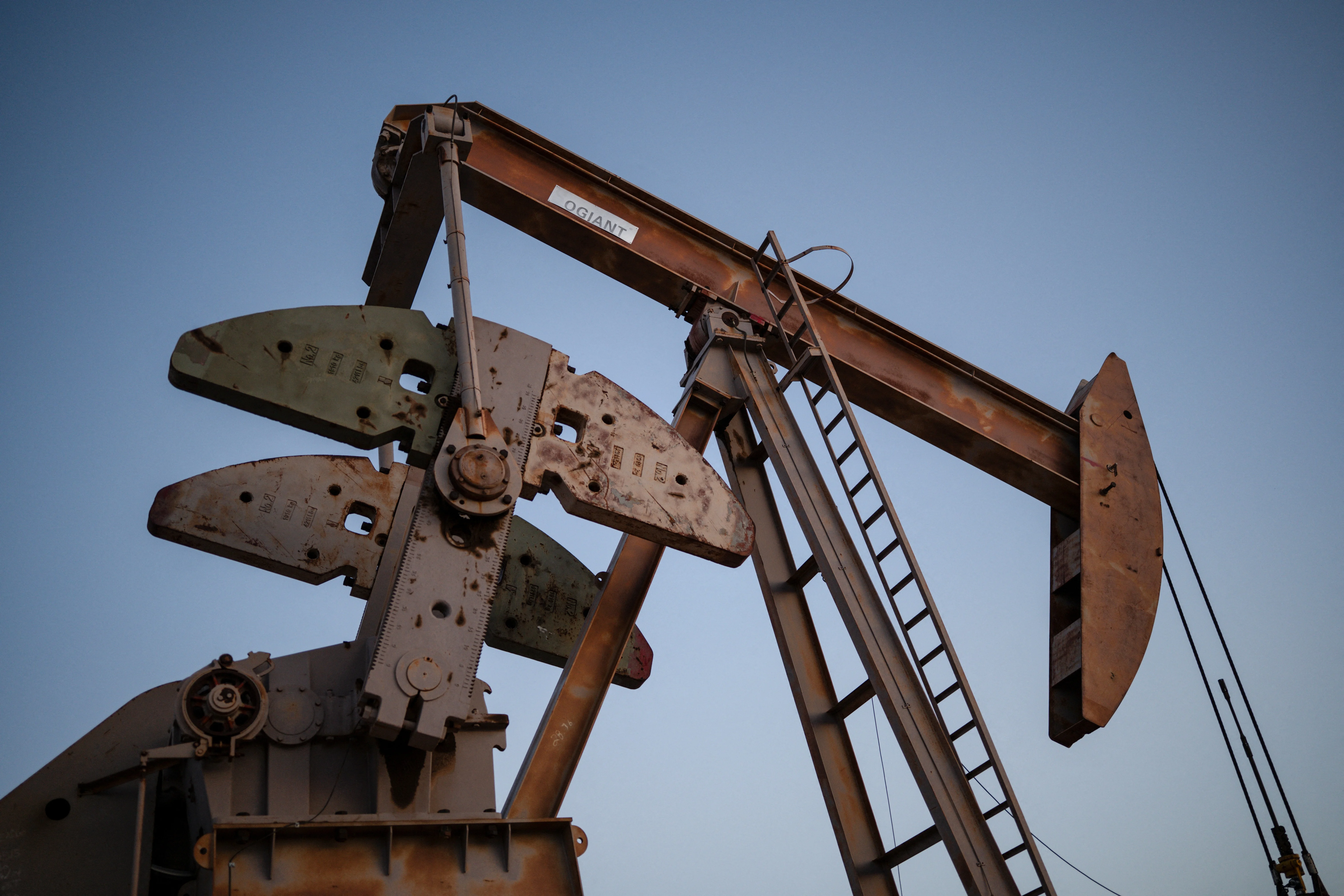
Oil prices rose on Wednesday, October 21, as traders worried about supply risks in the Middle East and falling fuel stocks in the United States. The rise followed sharp price changes in earlier trading sessions, when hopes for peace efforts had briefly eased concerns. Investors are now weighing the chance of talks against the risk of further attacks on ships and energy sites. These concerns matter because the region supplies a large share of the oil used by businesses and households around the world.
Brent crude, the main global oil benchmark, rose by $1.61, or 1.5%, to $110.40 a barrel at 0630 GMT. US West Texas Intermediate crude gained $1.45, also about 1.5%, to $99.27 a barrel. The gains showed that traders were again placing a higher value on secure supply. Oil prices can move quickly when the market fears that shipments may be delayed or production could fall. Even the threat of a disruption can push buyers to pay more.
The Strait of Hormuz remains a major point of concern. It is a narrow waterway used by oil tankers travelling from the Gulf to markets across the world. Any serious threat to shipping there can affect the amount of oil reaching Asia, Europe, and other regions. Reports of attacks on at least 18 vessels over the previous two weeks have added to the worry. Analysts have also warned that threats may extend beyond the strait into the Gulf of Oman, raising questions about the safety of nearby shipping routes.
The risks are not limited to ships. Yemen’s Houthi group claimed responsibility for attacks on a Saudi Aramco site in Yanbu, the Shaybah oilfield, and airports in Riyadh and Abha. The claims raised concern about energy infrastructure and transport links in Saudi Arabia. The reported death toll from a Houthi attack on Yemeni government forces also rose to 73. Such developments can make traders fear that the conflict could spread and cause more damage to oil production or the movement of fuel.
Diplomatic efforts have yet to provide a clear path to lower tensions. Iran’s foreign minister, Abbas Araqchi, said Iran had not received a response to an offer to help arrange peace talks involving Saudi Arabia and Yemen’s Houthi group. Earlier discussions had raised hopes that mediation might ease the crisis. But the market has become less willing to assume that a deal is close. Traders are watching for signs of progress while preparing for the possibility that supply problems may continue.
US oil stocks have added another factor to the price rise. Data from the American Petroleum Institute, cited by market sources, showed that US crude inventories fell by 4.9 million barrels in the week ending October 16. A drop in stocks can support prices because it suggests less oil is available in storage. The United States is also working with refiners around the world to increase fuel output, according to officials. The effort comes as a diesel shortage has pushed costs higher for businesses that depend on road transport and heavy machinery.
Higher oil prices can spread through the economy. Trucking firms, airlines, shipping companies, and factories may have to spend more on fuel. Businesses can pass some of those costs to customers by raising prices for food, goods, and services. Households may also face higher bills for transport and heating. Low-income families can be hit hardest because they often spend a larger share of their money on basic needs. Governments may then face pressure to provide support or reduce taxes on fuel.
Oil markets are now caught between the hope of diplomacy and the danger of further disruption. If talks make progress and shipping becomes safer, prices could fall. If attacks continue or supplies are delayed, prices could rise again. Traders will follow inventory reports, tanker movements, and statements from regional governments. For now, the market’s reaction shows that the risk to energy supplies remains high. A lasting fall in prices will likely depend on safer trade routes and clearer signs that the conflict is moving toward a settlement.
