

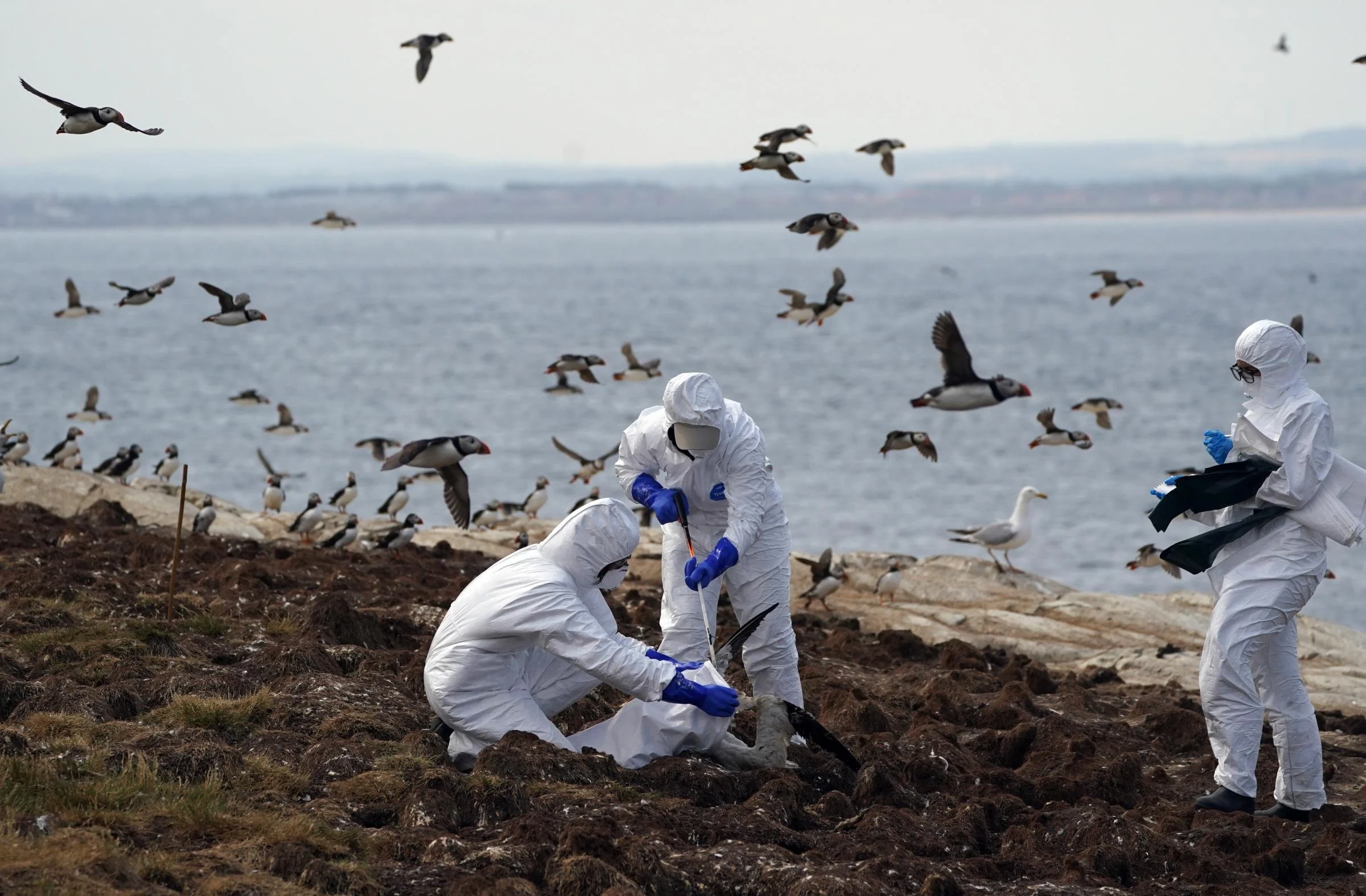
Seabird populations along parts of southern England’s coast have shown signs of recovery after severe losses caused by bird flu in 2022. Conservation work around Pagham Harbour in West Sussex has helped sandwich terns and other coastal birds return to nesting areas, providing a hopeful example of how local action can support wildlife.
The outbreak had a serious effect on seabird colonies. When adult birds die in large numbers, breeding populations can take several seasons to recover. Fewer adults mean fewer chicks, and the loss of breeding birds can leave a colony vulnerable to further changes in its environment.
Conservation staff and volunteers have worked to improve conditions for nesting birds. Their efforts include managing vegetation to create suitable nesting space and putting up fencing to keep predators such as foxes away from vulnerable areas. These measures help birds breed with less disturbance and improve the chances that chicks will survive.
The results have been encouraging. The sandwich tern colony at Pagham Harbour, which was heavily affected by bird flu, has recovered to hundreds of breeding pairs. Other species, including ringed plovers and oystercatchers, have also increased along the same coastline.
The recovery shows why protecting habitats can be important after a sudden wildlife crisis. A disease outbreak may be beyond the control of local conservation teams, but suitable nesting areas and reduced pressure from predators can help surviving birds rebuild their populations.
Coastal wildlife still faces other risks. Human activity can disturb nesting birds, while development and environmental changes may reduce access to food or safe breeding sites. Continued monitoring is needed to understand whether the recent gains can be maintained over time.
The work also depends on cooperation between conservation groups, volunteers, land managers and the public. Visitors can help by respecting signs, keeping dogs under control where required and avoiding sensitive nesting areas during breeding seasons. Small actions can reduce disturbance at times when birds are most vulnerable.
For local communities, healthier seabird colonies are a visible sign of progress. Wildlife also contributes to the natural character of coastal areas and can attract visitors who support nearby businesses. Conservation therefore offers benefits that extend beyond the birds themselves.
The rebound at Pagham Harbour does not mean that every threat has disappeared. It does show, however, that sustained practical work can make a difference. Protecting nesting habitat and monitoring wildlife will remain important as conservation teams try to preserve these gains for future seasons.
