

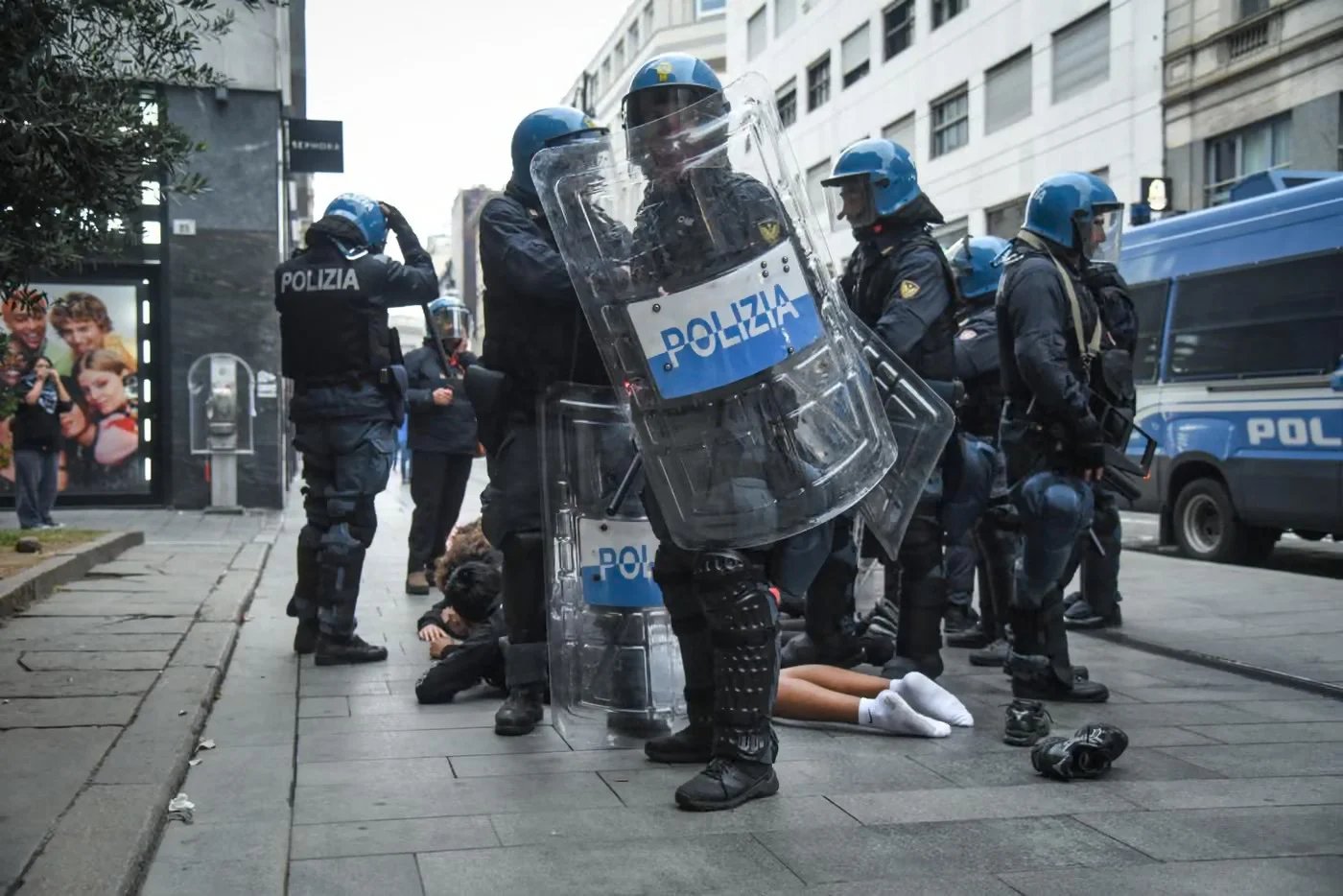
Financial markets across Europe came under pressure on Monday as violent protests in France and Italy added to concern about the region’s economic outlook. The unrest has unsettled investors already watching high energy costs, government debt and uncertainty over future growth.
The euro weakened as investors reacted to the political tension. European shares and government bonds also faced selling pressure. France drew particular attention because of its high public debt and the possibility that continued instability could make borrowing more expensive. French government bond yields rose, while the gap between French and German borrowing costs widened.
That gap matters because investors often use German government debt as a benchmark for safer borrowing in the eurozone. When investors demand a higher return to hold another country’s bonds, it can signal growing concern about the risks involved. Higher borrowing costs can also make it harder for a government to manage its finances.
The protests have been driven in part by anger over rising living costs and concerns about public services. Such pressure can affect the wider economy. Demonstrations and clashes can interrupt transport, reduce customer traffic and force shops to close. Damage to businesses may also add costs for owners already facing higher bills.
Italy has experienced related unrest linked to fuel and food prices, raising fears that market concerns could spread beyond France. Investors are watching whether the protests remain limited or develop into a wider challenge for governments across Europe.
China provided a contrasting economic signal, reporting stronger-than-expected growth of 4.5% in the third quarter. Yet the figures also highlighted a reliance on exports, while domestic spending remained weaker. Global markets are therefore weighing several risks at once, from European political tension to uneven demand in major economies.
For European leaders, the challenge is not only restoring order but also responding to the economic pressure behind the unrest. Markets will watch government decisions, public spending plans and energy costs closely. Continued instability could keep borrowing costs high and weaken confidence among businesses and households.
