

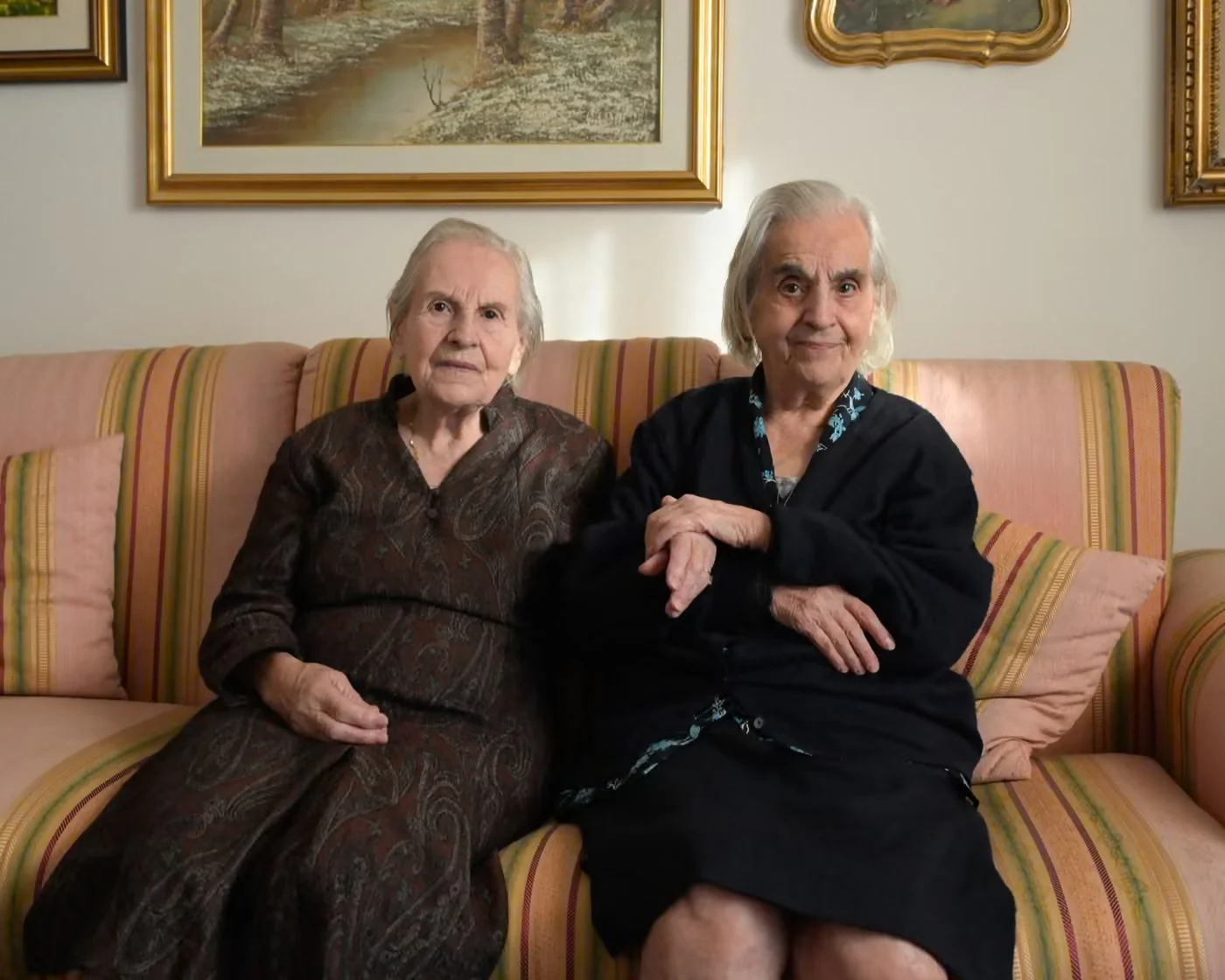
A village in Sardinia is attracting attention because of the number of women who have lived to an advanced age. Researchers and residents are interested in whether local habits, close relationships and daily routines may help explain the pattern. The village of Bolotana is being considered as a possible addition to the world’s recognised “blue zones”, areas known for unusually long-lived populations.
The term “blue zone” is used for places where a relatively high number of people reach very old age. Researchers have studied communities in different parts of the world to understand the possible role of diet, movement, family life and social connection. However, long life rarely has one simple explanation, and findings from one place cannot automatically be applied to everyone.
In Sardinia, daily life in smaller communities may involve regular walking, household tasks and contact with neighbours. Older residents often remain part of family and community activities for as long as their health allows. These routines can help people stay active and connected, although age, genetics, access to health care and personal circumstances also affect how long people live.
Social relationships are receiving growing attention in research on ageing. Regular contact with relatives and friends can help reduce loneliness and give older people a sense of purpose. Community gatherings may also provide practical support, from sharing meals to helping someone attend a medical appointment.
Food is another area of interest. Traditional Sardinian meals often include vegetables, beans, grains and other basic ingredients, though diets vary between families and have changed over time. Researchers caution against treating any single food as a secret to longevity. A balanced diet, suitable activity and access to health services all matter.
The idea of a blue zone can also bring tourism and economic attention to a village. Visitors may be curious to see how older residents live, while local businesses can benefit from interest in regional food and culture. At the same time, residents need their privacy respected, and the community should not be reduced to a simple story about living longer.
Scientific study requires careful evidence. Researchers need reliable records, clear definitions and a way to distinguish genuine patterns from chance or incomplete data. They must also consider whether people who reach very old age share habits because of their environment or because those who are healthier are more likely to continue those habits.
Bolotana’s experience may help researchers better understand ageing, but it is unlikely to reveal one universal formula for a long life. The most useful lessons may involve the combination of movement, family ties, social participation and a supportive local environment. For residents, the interest offers an opportunity to share their way of life while keeping the focus on the people behind the statistics.
