

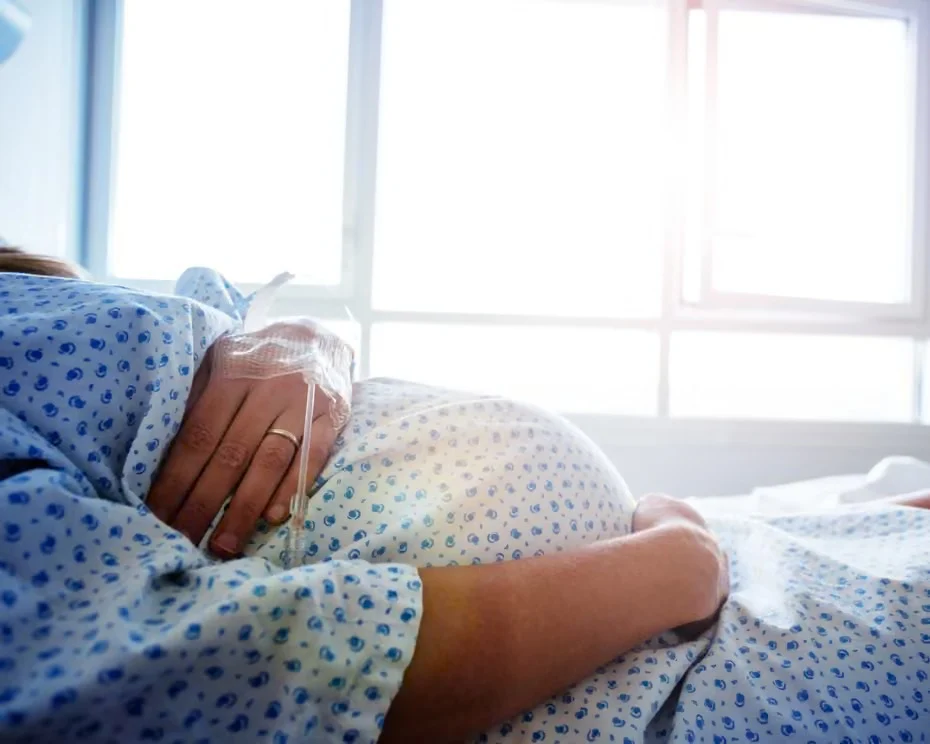
Maternity services in England are facing growing pressure as staff shortages threaten the future of some hospital units. The situation has raised concerns among expectant parents, healthcare workers and local communities about whether families will be able to access safe care close to home.
A report published on October 22 said that up to 20 of England’s 155 NHS maternity units could be at risk of closure. Some services have already been suspended, including units in North Devon and Yeovil, while a maternity unit in Newry is expected to close permanently.
The pressures have several causes. The number of births has declined nationally, while childbirth has become more complex in some cases. The proportion of deliveries by caesarean section increased from 31% in 2019 to 45% in 2024, according to the report. Older maternal age and existing health conditions can also increase the need for specialist care.
Staffing remains a major concern. Midwives face heavy workloads, and hospitals may struggle to recruit and retain enough obstetric staff. When a unit cannot safely provide the necessary cover, services may be restricted or transferred elsewhere. For families, that can mean longer journeys and uncertainty during pregnancy.
Financial pressures also affect the system. The NHS faces substantial liabilities related to maternity care, which can influence how services manage risk. However, closing a unit can create new difficulties for nearby hospitals and may increase travel demands for people living in rural areas.
The crisis has prompted repeated reviews and recommendations, but healthcare professionals remain concerned about whether proposed changes will deliver practical improvements. They argue that maternity care requires coordinated services, including community support, specialist treatment and enough trained staff to manage emergencies.
For expectant families, reliable information is essential. People need to know where services are available, how referrals will work and what arrangements exist if a local unit closes. Clear communication can help families plan, but it cannot replace adequate staffing and safe facilities.
The future of maternity care will depend on whether health authorities can build a sustainable system that protects safety while maintaining access. The debate is not simply about the number of units open, but whether every family can receive timely and appropriate support during pregnancy, birth and the weeks that follow.
