

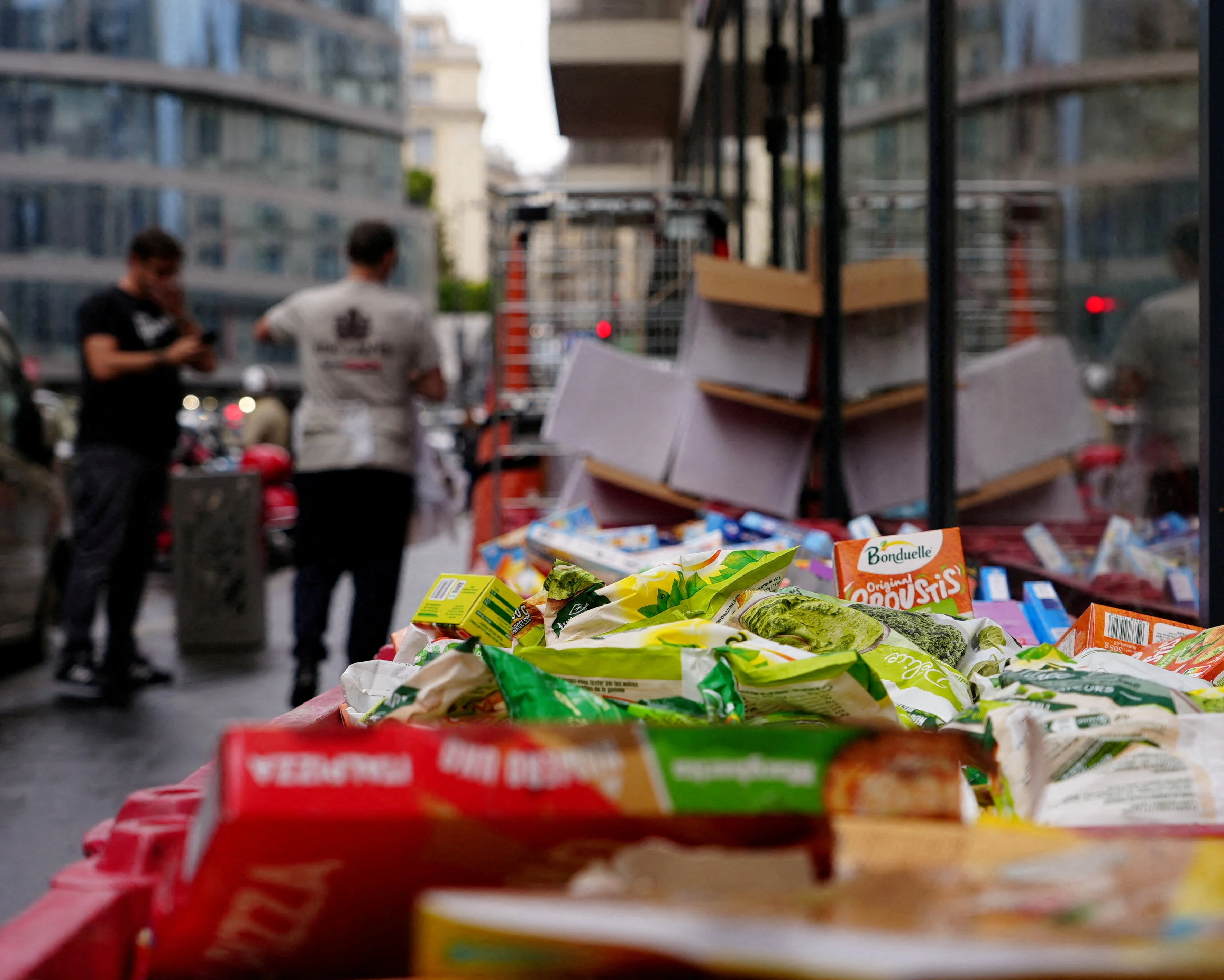
French authorities are investigating a major cyberattack that caused refrigeration systems in hundreds of supermarkets to overheat. Hackers reportedly changed the temperature settings on connected freezers and chillers, leaving food to thaw and spoil. In some stores, temperatures rose so sharply that equipment and nearby areas were damaged.
The attack affected several supermarket chains and forced workers to remove large amounts of food. Staff arriving for their shifts found freezers that were no longer keeping products cold. Some shops had to discard stock and work late to restock shelves. The financial cost has not yet been fully calculated, but supermarket leaders have warned that the losses could reach millions of euros.
Investigators are examining how the attackers gained access to the systems. Many modern refrigeration units connect to the internet so technicians can monitor temperatures and carry out maintenance from a distance. That convenience can also create risks when devices use old software, weak passwords or security settings that have not been updated.
Cybersecurity experts say attackers may have disabled alerts before changing the temperature controls. If warning systems are switched off, staff may not know that equipment is failing until they arrive at the store. The incident has raised concerns about how much essential business equipment is connected to the internet without adequate protection.
No individual or group had publicly claimed responsibility for the attack in the reporting available on Saturday. Investigators have considered several possibilities, including criminal activity and deliberate sabotage. It is too early to establish who carried out the operation or what motive they may have had.
The incident shows that cyberattacks can have physical consequences. A digital intrusion does not need to target a bank or steal customer data to cause major disruption. When hackers interfere with equipment that controls food storage, the result can be waste, business losses and possible safety risks.
Supermarkets and equipment suppliers may now face questions about their security practices. Businesses need to know which devices are connected, who can access them and whether software updates are being installed. They may also need backup procedures that allow staff to respond quickly if digital controls stop working.
The attack has become a warning for other industries that rely on connected equipment. Hospitals, warehouses, factories and transport systems all use digital controls to manage important operations. Protecting those systems requires cooperation between owners, manufacturers and cybersecurity specialists.
French investigators will need time to identify the attackers and determine exactly how the systems were compromised. In the meantime, businesses may review their equipment and security procedures. The wider lesson is clear: internet-connected devices must be protected as carefully as computers that store sensitive information.
