

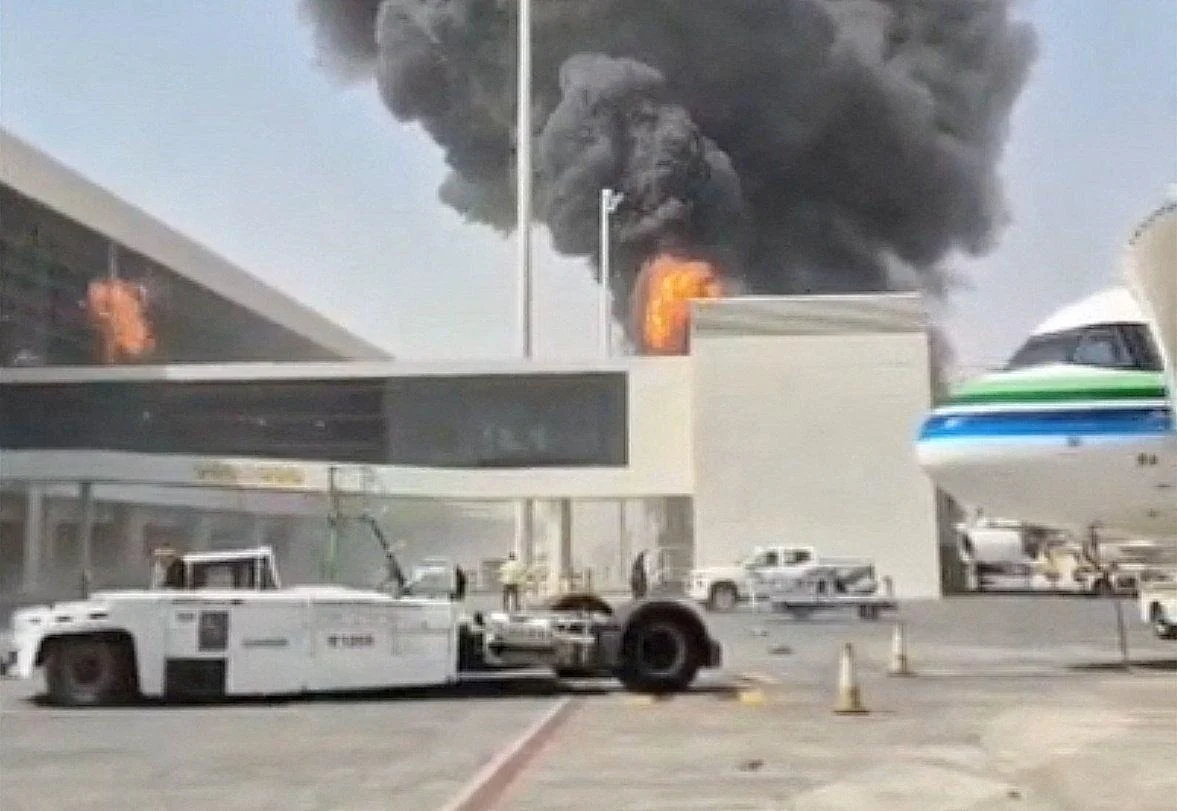
A new attack at Riyadh’s international airport has raised further concerns about public safety in Saudi Arabia. Saudi authorities reported that one person died and nearly a dozen others were injured in an incident involving the airport’s passenger facilities. The attack came after a more deadly strike the previous day, adding to fears that the country’s aviation system could face further disruption.
The airport is an important transport hub for business travellers, tourists and people travelling to visit family. An attack on such a location can affect far more people than those directly injured. Flights may be delayed or cancelled, passengers can become stranded, and airlines must decide whether routes remain safe to operate. Airport staff also need to manage emergency response, security checks and the movement of passengers through affected areas.
The latest incident has increased pressure on Saudi officials to protect transport infrastructure. Airports require strong coordination among security services, aviation authorities and airlines, especially when threats involve missiles or other weapons. Authorities may need to review access rules, passenger screening and emergency plans as they assess the risks. Travellers are likely to look for clear updates before making new plans.
The wider regional conflict has already placed pressure on transport and energy networks. Further attacks could affect international travel and business activity, while also raising concerns about the safety of civilians. Travellers should rely on current airline notices and official travel guidance rather than assume that flights will operate as normal. The situation remains fluid, and safety decisions may change as officials receive new information.
