

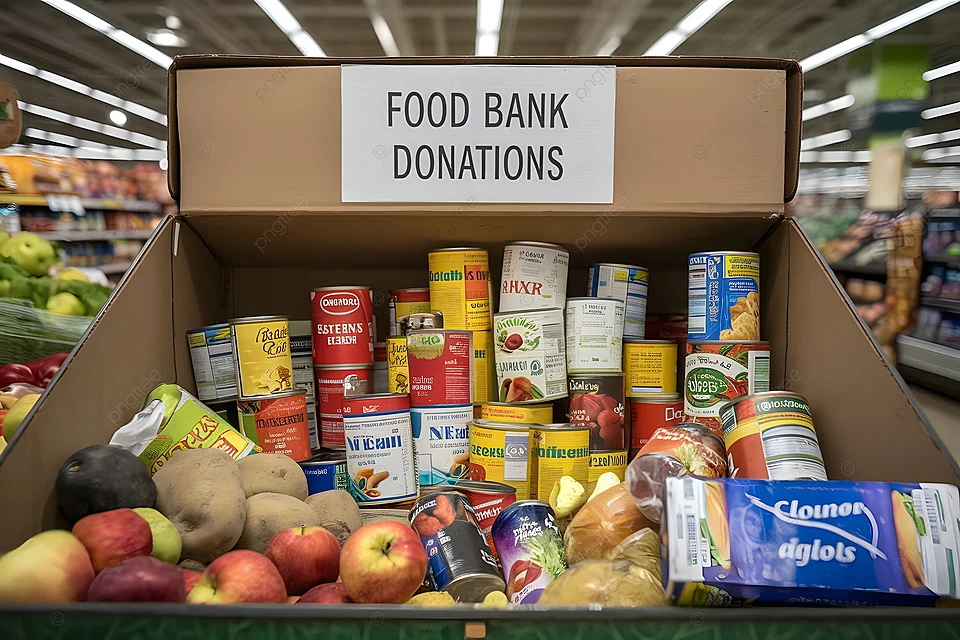
Communities across the country are marking National Food Bank Day, an annual observance held on the first Friday of September that highlights the ongoing work of food banks and pantries serving families facing food insecurity throughout the year.
The observance encourages people to volunteer time, donate food, or contribute financially to local food banks, organizations that play a critical role in connecting surplus food with families who need it most. Many communities rely heavily on these organizations, particularly during difficult economic periods.
Food banks typically operate through a network of volunteers, staff, and community partnerships that allow them to collect, store, and distribute food efficiently to those in need. This observance provides an opportunity to recognize the substantial behind the scenes effort required to keep these operations running smoothly.
Rising living costs in recent years have increased demand at many food banks across the country, with organizations reporting more families seeking assistance than in previous years. This growing need has placed additional pressure on food banks already working to stretch limited resources as far as possible.
Volunteers remain the backbone of most food bank operations, handling tasks ranging from sorting donated items to packing boxes and distributing food directly to families. Many food banks report needing significantly more volunteer support than they currently have available, particularly during busier periods of the year.
Corporate partnerships have become an increasingly important source of support for many food banks, with businesses organizing food drives, financial contributions, and volunteer days specifically timed around this observance to help raise awareness and generate additional resources for local hunger relief efforts.
Schools and community organizations often use this day as an opportunity to organize food drives, collecting non perishable items that can be quickly distributed to local food banks. These grassroots collection efforts frequently provide a meaningful boost to food bank inventories heading into busier fall and winter months.
Nutrition experts note that food banks have increasingly focused on providing healthier options in recent years, moving beyond a narrow focus on non perishable canned goods to include fresh produce, dairy products, and other nutritious items whenever possible, given available resources and storage capacity.
Financial contributions often prove particularly valuable for food banks, since their purchasing power through wholesale food distribution networks typically allows them to acquire significantly more food per dollar donated compared to individual grocery store purchases made by well meaning donors.
Local food banks frequently partner with grocery stores, restaurants, and farms to collect surplus food that would otherwise go to waste, redirecting these resources toward families facing food insecurity. This kind of partnership helps address hunger while also reducing overall food waste within local communities.
As the observance continues, food banks across the country hope the increased attention translates into sustained support beyond just this single day. Given the ongoing nature of food insecurity many families face, food bank leaders consistently emphasize that support throughout the entire year remains essential for meeting community needs effectively.
