

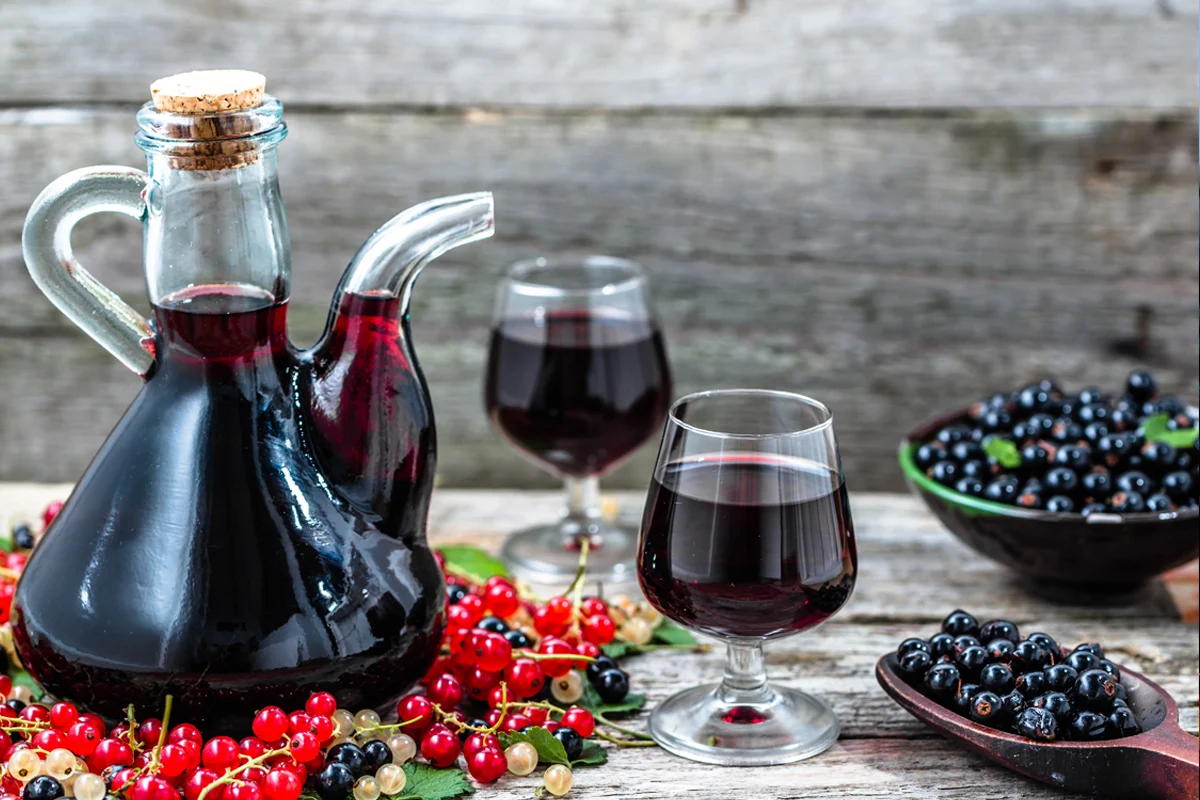
Leftover wine after a party does not need to go to waste. Even a small amount can add rich taste to sauces, stews and other dishes. Larger amounts can also become desserts, vinegar or drinks.
Chefs say the best way to use leftover wine depends on how much is left. Small amounts are easy to add to everyday cooking. Red and white wine can both work well in sauces.
Jon Atashroo, head chef and owner of Where There’s Smoke in North Yorkshire, says small amounts of wine can go straight into sauces. They can also be used to deglaze a pan before making gravy.
Joe Otway, chef and co-owner of Higher Ground in Manchester, also recommends reducing leftover wine. He says both red and white wine can add depth to the base of a dish.
Red wine works well in tomato dishes such as ragu and chilli. After vegetables have cooked and the base of the pan has browned, a glass of red wine can add acidity, depth and sweetness.
There is also no need to use leftover wine at once. Wine dregs can be frozen in ice cube trays. The frozen cubes can then be added to sauces or other dishes when needed.
Medium amounts of leftover wine offer even more options. Atashroo suggests using wine in stews and fish dishes. Moules marinière, a dish of mussels cooked in wine, is one simple choice.
Wine can also be used for pickling. One basic mix uses equal parts caster sugar, white wine vinegar and white wine. The method can change based on the food being pickled.
Beetroot can be cooked in the pickling liquid. Cucumbers can be placed in the liquid while it is cold. The wine adds a fresh and sharp note to the mix.
Leftover red wine can also become a sweet syrup. Atashroo suggests weighing the wine and adding sugar equal to 20% of its weight. The wine is then reduced until it reaches a thick syrup.
The finished syrup can be used like a fruit sauce. It has a rich and sharp taste and can be drizzled over vanilla ice cream. It can also add a new twist to simple desserts.
Fruit is another good match for leftover wine. Peaches, figs and pears can all be poached in wine. The fruit takes on the wine’s flavour while becoming soft and sweet.
Large amounts of leftover wine can be turned into vinegar. Joe Otway suggests an easy method for people who have natural cider vinegar with a mother.
A small amount of natural cider vinegar can be added to wine. The mixture should then be covered with muslin. This lets air in while keeping flies out. It can be left in a cupboard for about a month.
The wine will slowly turn into vinegar. The final taste can reflect the type of wine used. Homemade wine vinegar can then be used in salad dressings and other dishes.
Sparkling wine also has a place in the kitchen. Alastair Walling, head chef at Bar Blondie in London, suggests using leftover champagne in beurre blanc.
The sauce starts with vinegar, shallots and thyme. The liquid is reduced before champagne and finely diced mushrooms are added. The mixture is reduced again.
Chilled butter is then whisked in over low heat. The sauce should stay below a simmer to stop it from splitting. It can be seasoned with salt and white pepper and served with steamed fish.
For those who would rather drink the leftover wine, sangria is another easy choice. Jonny Lake of Trivet and Labombe by Trivet suggests adding brandy, orange juice and sliced orange and lemon to red wine.
The mixture can be left to infuse before serving. It can be poured over ice or topped with soda.
So, leftover party wine can have a useful second life. A few drops can improve a sauce, while a full bottle can become vinegar, syrup or sangria. With a little care, almost every last drop can be put to good use.
