

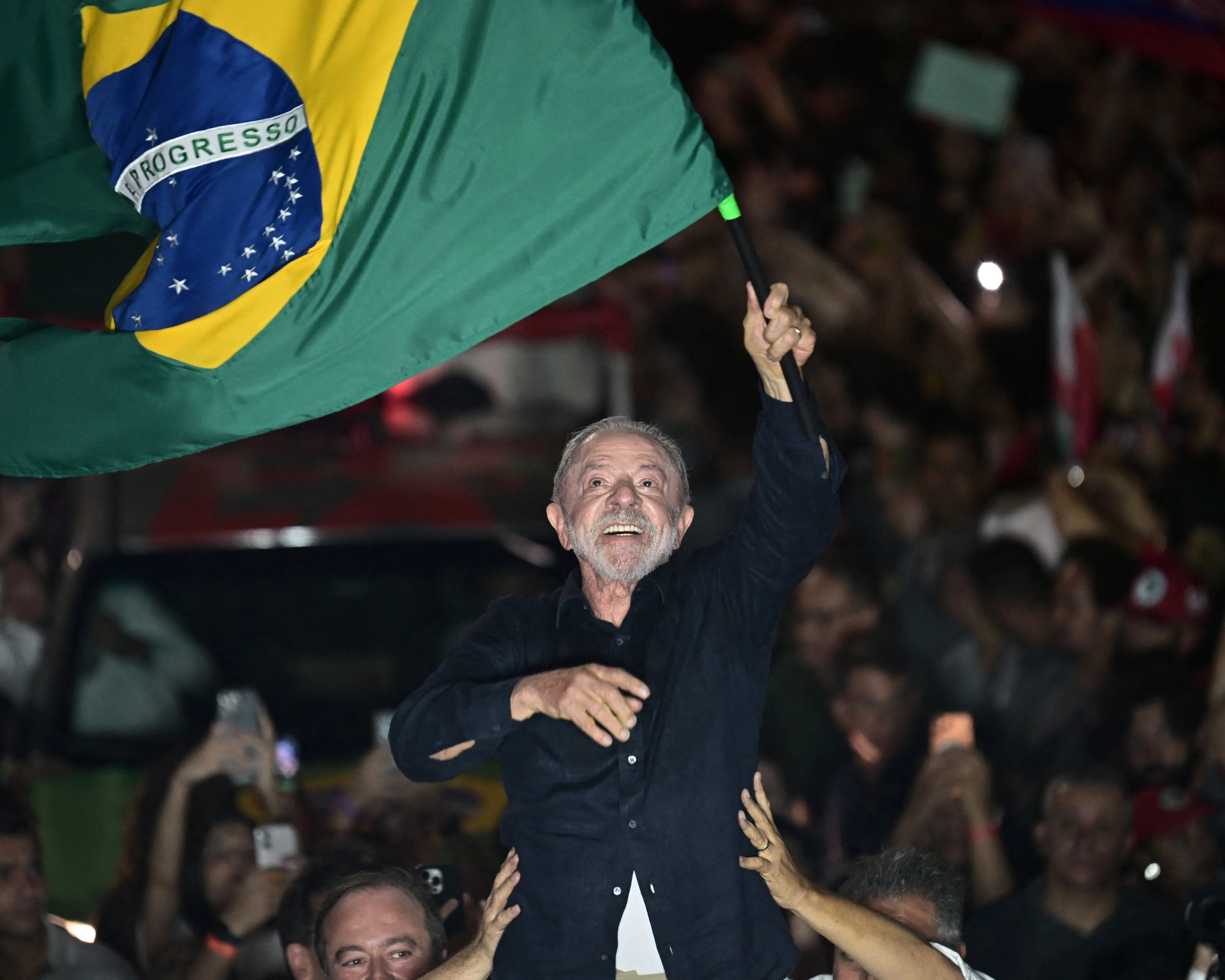
Brazilian President Luiz Inácio Lula da Silva secured a historic fourth, non-consecutive term after defeating conservative senator Flávio Bolsonaro in the presidential runoff. The result marked a major moment for Latin America’s largest country and extended Lula’s long political career. However, the victory did not end the country’s political division. Bolsonaro rejected the result and said he would seek legal action to challenge the outcome, leaving Brazil facing questions about the transfer of power and the strength of its democratic institutions.
Lula won 51.79% of the vote, receiving about 64.26 million votes. Bolsonaro received 48.21%, or roughly 59.83 million votes. The narrow gap showed that the country remains deeply divided over its future direction. Lula’s supporters welcomed the result as a chance to continue social programmes and environmental policies. Bolsonaro’s supporters, meanwhile, backed a conservative agenda and questioned whether Lula’s government could meet their expectations on the economy, security and public services.
The result was notable because Lula had trailed in the first round before regaining ground during the runoff campaign. His team improved its social media strategy and worked to bring more voters to the polls. Student-led protests and wider political mobilisation also helped shape the campaign. The final result showed that the first round had not fully captured the level of support Lula could build when voters faced a direct choice between two candidates.
Lula’s victory may have important effects beyond Brazil. The country plays a major role in global food supplies, trade, climate policy and diplomacy. Its Amazon rainforest is central to international efforts to limit deforestation and reduce greenhouse gas emissions. Lula has presented environmental protection as a key part of his agenda, while also promising to improve living standards and reduce poverty. His next government will have to balance these goals with the need to support growth and manage public finances.
The president-elect’s task will not be simple. Right-wing politicians have strengthened their position in Congress, giving them the ability to challenge parts of his programme. Lula will need to negotiate with lawmakers who do not share his priorities and persuade them to support key proposals. Economic concerns will also remain important. Public debt, budget pressures and uncertainty over future growth could limit the government’s room to increase spending or expand social programmes.
Bolsonaro’s refusal to accept the result adds another challenge. Political disputes after elections can weaken trust when supporters believe the process was unfair. Brazil’s electoral authorities and courts will face pressure to explain the official results and address any formal legal claims. A peaceful transfer of power will be important for maintaining confidence in the country’s institutions and reassuring businesses, investors and international partners.
World leaders began responding to Lula’s victory, with officials from Europe and China among those offering congratulations. Their reactions reflected Brazil’s importance in international affairs and the expectation that the country will continue to play an active role in climate talks, trade and diplomacy. The United States also has an interest in the direction of Brazil’s foreign policy, particularly as global political alliances become more contested.
Lula’s win gives him a fresh mandate, but it does not remove the problems that divided voters during the campaign. His government will be judged by its ability to improve daily life, maintain economic stability and work with a divided Congress. Bolsonaro’s challenge to the result could keep political tensions high in the short term. Brazil now faces the task of moving from a bitter election campaign to a new period of government while protecting public trust in the democratic process.
