

The UK is home to many small harbour towns and villages with rich sea links. These places offer more than pretty views. They bring together fishing, seafood, swimming, boat trips, wildlife and coastal walks.
Pittenweem in Fife is one of the best examples. Its historic harbour remains a working fishing port. About 30 small boats use the harbour. Their catch is sold at the quay on weekday mornings. Visitors can enjoy fresh seafood at places near the water. The village also has a tidal swimming pool beside the beach. The pool reopened in 2021 after local people helped restore it. The Fife Coastal Path links Pittenweem with nearby St Monans, Anstruther and Crail.
Carnlough in County Antrim has a long link with the sea. A harbour has stood there since the late 1700s. The present harbour was built in 1853 to move limestone from nearby quarries. Today, it is a lively part of the village. Boat trips run in summer and offer views of the coast. The old railway line is now a walking route that leads towards Cranny Falls. Game of Thrones fans may also know the harbour as the Braavos canal.
Solva in Pembrokeshire sits at the end of a steep valley on St Brides Bay. Its harbour looks very different as the tide changes. At high tide, boats and paddleboarders use the water. At low tide, a large area of sand appears. Visitors can explore rock pools and caves. The area also has spots for fishing, crabbing and swimming. Local places to eat offer views across the water and serve fresh fish and seafood.
Craster in Northumberland is famous for its smoked kippers. A local smokehouse has produced them since 1856. The kippers are still sold near the harbour and used in local dishes. Craster is also a good base for a coastal walk. Dunstanburgh Castle stands about a mile away. The walk to the ruins offers views of the sea and the old castle walls.
Clovelly in Devon has a small harbour below a steep cliff. The village is car free, with a narrow cobbled street leading down to the sea. Goods are moved by sledges and donkeys. Visitors can enjoy sea views, local seafood and historic buildings. The harbour area has places serving hake, lobster and haddock. The village also holds events linked to seafood and its long maritime past.
Staithes in North Yorkshire was once one of the region’s busiest fishing ports. Today, it is known for its narrow lanes, old cottages and small fishing boats. Wildlife boat trips run from the harbour. Minke whales can be seen in August and September. Walkers can also follow the Cleveland Way towards Port Mulgrave, where an old harbour remains.
Porthleven in Cornwall offers a quieter coastal break. Its double harbour opened in 1825 and is now lined with pubs, restaurants and galleries. Visitors can find seafood, local markets and craft stalls around the waterfront. The town also hosts food events during the year. Its harbour gives visitors a relaxed way to enjoy the Cornish coast.
Lyme Regis in Dorset is known for the Cobb, a stone harbour wall and jetty. It is a popular place for a walk, especially around sunset. Seals can often be seen near the harbour, while dolphins may appear farther out at sea. Boat trips operate during the warmer months. The nearby beaches are also known for fossils. The area is closely linked to the work of fossil hunter Mary Anning.
Lymington in Hampshire is a major sailing centre on the Solent. The town has marinas, an old quay and a long maritime history. Its seawater baths date back to 1833 and remain open to swimmers. The town also has a popular Saturday market and several places to eat near the water. Ferries from Lymington Pier travel to Yarmouth on the Isle of Wight.
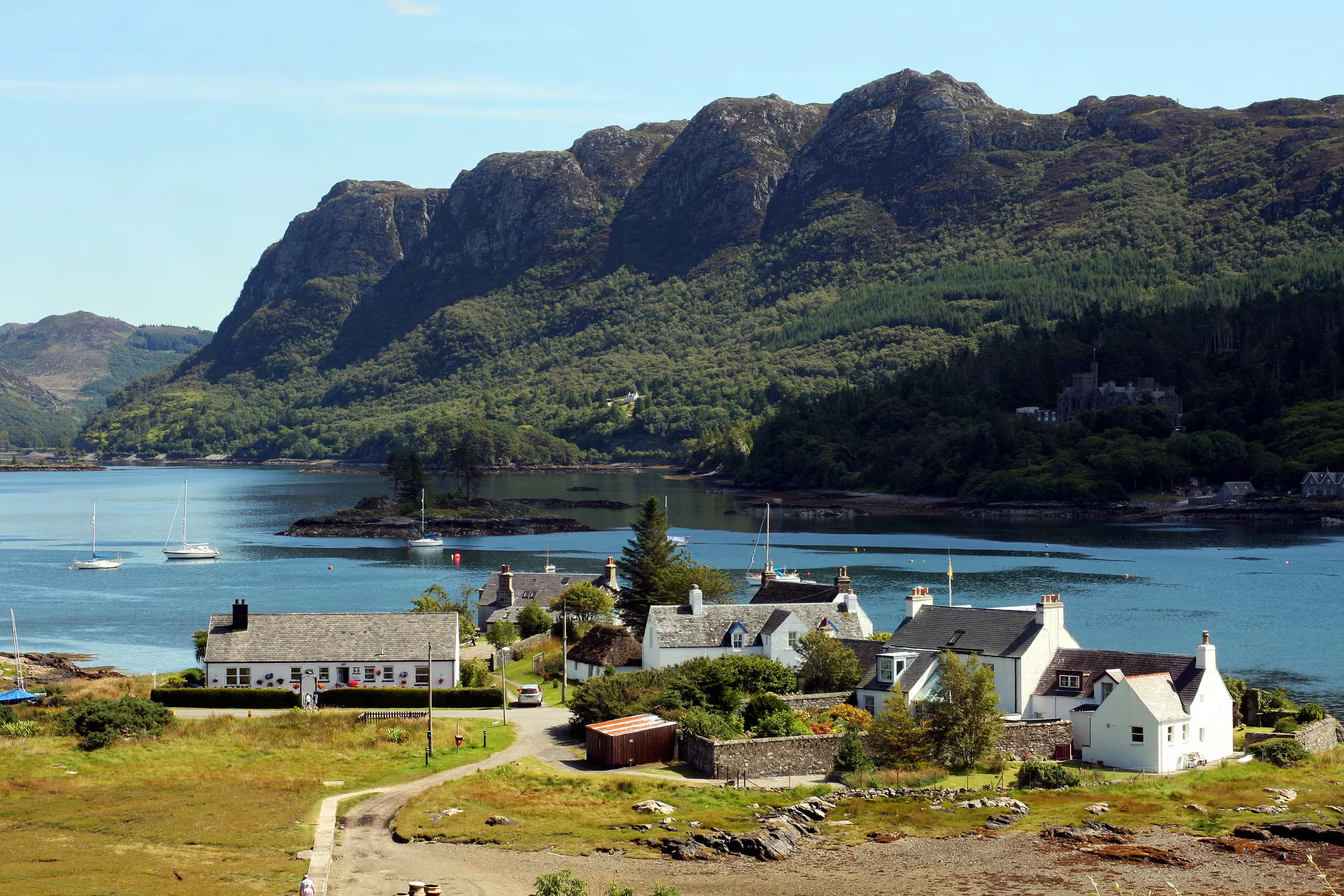
Plockton in the Scottish Highlands is a small harbour village beside Loch Carron. It was built in the early 1800s to support the herring trade. Its sheltered bay has a mild climate, allowing palm trees to grow near the water. Visitors can buy fresh fish and prawns from boats. Sea kayaking and seal trips are also popular.
These UK harbour towns offer many ways to enjoy the coast. From fresh seafood and old fishing ports to swimming, boat trips and wildlife, each place has its own charm. Together, they show the rich coastal history and natural beauty found across the UK.
