

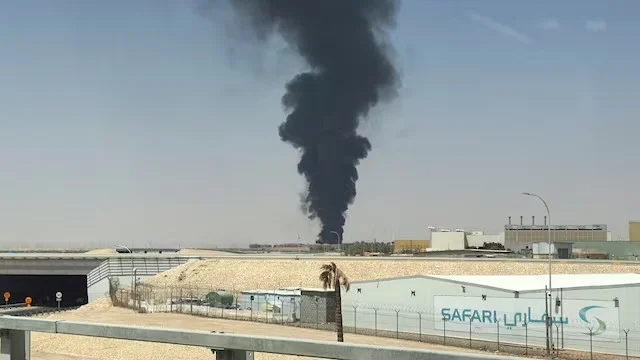
Air travel across Saudi Arabia has faced major disruption as attacks by Yemen’s Iran-aligned Houthi movement forced airlines to cancel flights and change their schedules. The problem has affected both domestic and international journeys, leaving passengers uncertain about when they can travel. The disruptions also show how conflict can quickly affect everyday life, even for people far from the front lines.
Data from aviation analytics firm Cirium showed that 4,071 of 4,736 scheduled flights at Riyadh’s King Khalid International Airport were cancelled between October 8 and October 25. That represented about 86% of planned services during the period. Across Saudi Arabia, more than 7,800 flights were cancelled, equal to about 45% of scheduled departures. Dammam and Abha also faced widespread disruption, while all flights from Najran were cancelled during the period covered by the report.
The cancellations followed repeated attacks on airports, ports and energy facilities. The Houthis have used missiles and drones in attacks linked to the wider regional conflict. A strike on Riyadh’s airport on October 10 killed 13 people, according to the report, making it the deadliest attack in the kingdom in more than a decade. The threat of further attacks has forced airlines and authorities to weigh passenger safety against the need to keep transport services running.
Saudi authorities partially reopened Riyadh airport on Sunday, allowing domestic flights to operate from Terminal 1 and international services from Terminal 2. However, the reopening did not mean that normal travel had returned. The Houthis claimed another attack on Monday, keeping concerns high. Airlines must consider the safety of passengers and crews, the security of airport operations and whether aircraft can complete planned routes without being caught in a dangerous situation.
For passengers, flight cancellations can create more than a delay. Travellers may miss connecting flights, work meetings, medical appointments or family events. Some may have to pay for extra hotel nights or buy new tickets, while others may struggle to find alternative routes. People travelling with children or elderly relatives can face added stress when plans change with little warning. Clear information from airlines and airports becomes especially important during such periods.
Businesses also feel the effects. Tourism operators may lose bookings, hotels may face last-minute changes and companies can struggle to move staff or goods. Saudi Arabia has been developing major events and investment gatherings as part of its wider economic plans. Flight disruption can make it harder for international visitors to attend conferences and business meetings. The report said a major investment conference was cancelled or postponed because of the security situation.
International airlines have suspended Riyadh services into November, and Delta Air Lines postponed its planned Riyadh route until next year. Such decisions can reduce travel options even after airports begin to reopen. Airlines need confidence that routes can operate safely and reliably before restoring normal schedules. Rebuilding that confidence may take time if the threat continues.
The situation also places pressure on authorities to protect transport infrastructure while avoiding unnecessary disruption. Airports are essential links for families, businesses and emergency travel. Governments must coordinate security services, airlines and airport operators so that passengers receive timely updates and safe alternatives.
The flight cancellations show how a regional conflict can affect daily life far beyond the battlefield. For travellers, the immediate priority is accurate information and flexible plans. For airlines and Saudi authorities, the challenge is to restore reliable services while keeping passengers safe. Until the security situation improves, people travelling through the region may need to prepare for delays, cancellations and sudden changes to their journeys.
