

President Trump suggested over the weekend that the Trump Iran war end midterms timeline remains his expectation, while floating the possibility that American forces could remain in Iran to retain access to its oil, drawing a direct comparison to the earlier Venezuela oil arrangement.
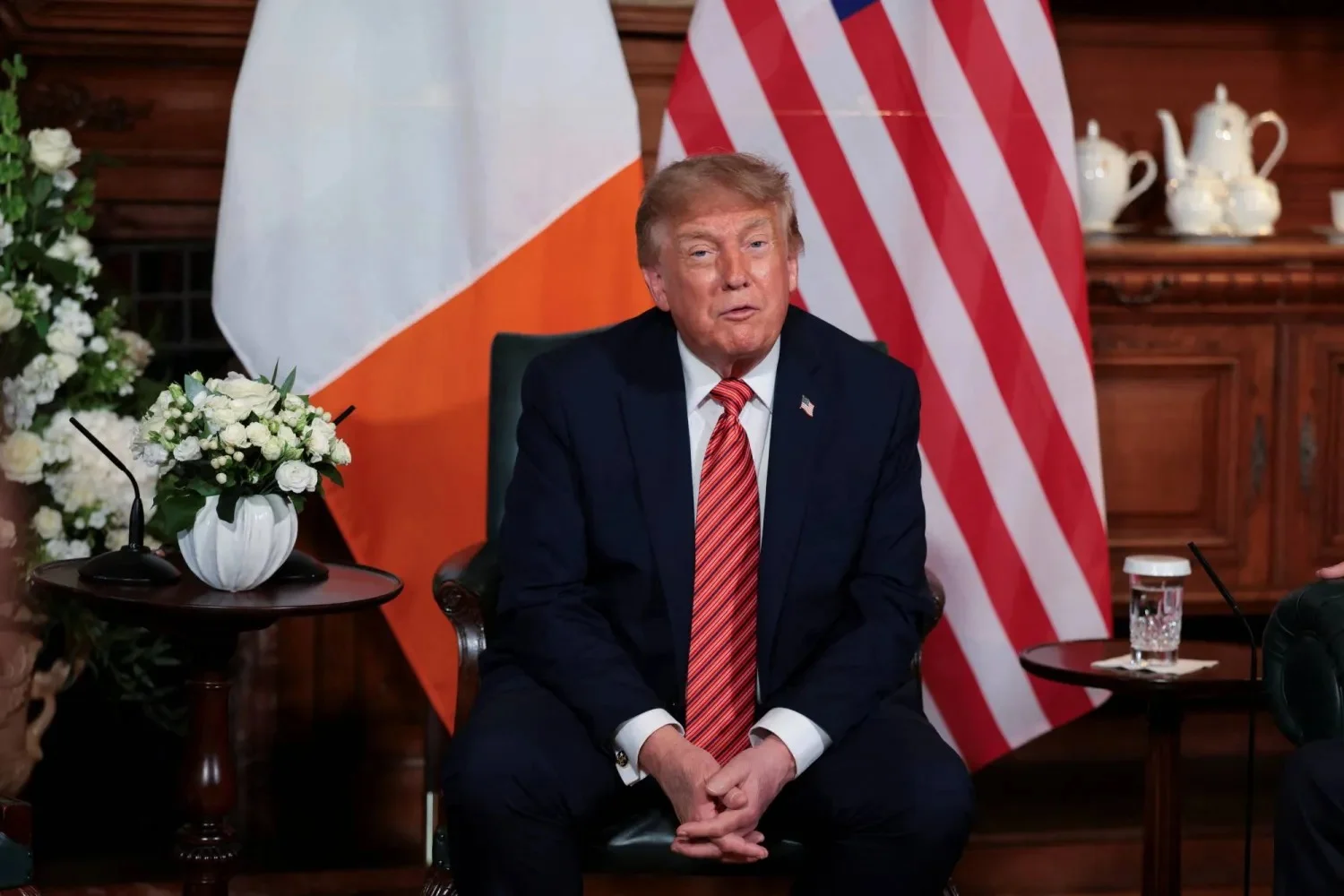
Speaking to reporters while attending a golf tournament in Ireland, the president said the United States would ultimately withdraw from Iran unless officials decide to stay and keep the oil, similar to the deal, noting that Venezuela related revenue had already paid for war costs many times over.
Trump reiterated his belief that the conflict could conclude either before or after November’s midterm elections, stating that Iran has continuously sought a negotiated settlement, though he emphasized he would only accept terms he considers genuinely favorable to American interests.
The president also addressed soaring domestic fuel costs, predicting that gasoline prices would drop precipitously once the war concludes, even as current prices have climbed to record levels exceeding four dollars and twenty five cents per gallon according to recent industry data.
Trump notably shifted blame for elevated diesel prices toward Ukraine, urging Ukrainian President Zelenskyy to avoid striking Russian diesel production facilities, arguing that such attacks contribute to global fuel price increases affecting markets far beyond the immediate conflict zone.
This messaging represents a notable rhetorical pivot, connecting three separate geopolitical situations, the Iran conflict, the Ukraine war, and the earlier Venezuela oil arrangement, into a unified narrative about American energy strategy and the president’s broader approach to resolving international conflicts.
When asked about a planned Monday meeting in Oman between Gulf nation representatives and Iranian officials regarding Strait of Hormuz shipping security, the president responded dismissively, suggesting limited direct American investment in the specific outcome of that particular diplomatic session.
Energy market analysts have noted that global oil prices topped 100 dollars a barrel Friday, with the president’s comments arriving on the same day, creating some tension between his optimistic price predictions and the current market reality reflecting sustained conflict related price pressure.
Administration officials have offered varying levels of confidence regarding future fuel price trajectories, with Energy Secretary Chris Wright previously declining to offer firm predictions while suggesting prices were more likely to decline than continue rising in the coming months.
As these various statements continue shaping public understanding of the administration’s approach to the conflict, genuine uncertainty remains about the specific timeline and terms under which the Iran conflict might actually reach resolution. The coming weeks leading toward midterm elections will likely reveal whether these optimistic predictions translate into concrete diplomatic progress.
