

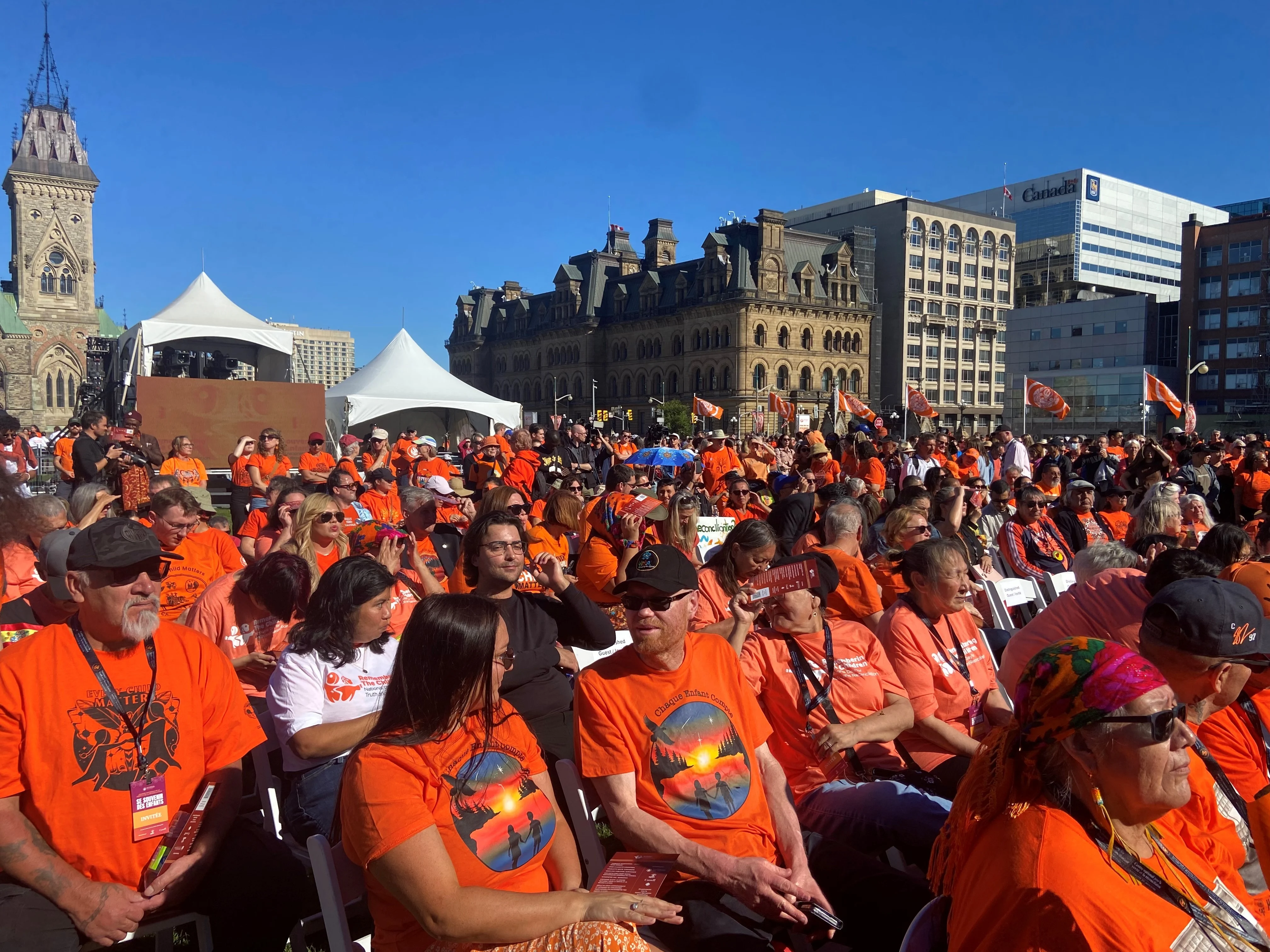
Canada observed the National Day for Truth and Reconciliation today, with Prime Minister Mark Carney traveling to Edmonton, Alberta to attend and deliver remarks at a commemorative event marking the occasion. The federal holiday, established several years ago, honors the children who were forced into the country’s residential school system and provides a formal moment each year for reflection on the lasting impact this history continues to have on Indigenous communities across the country.
The day is widely observed alongside Orange Shirt Day, a grassroots movement that predates the formal federal holiday and continues to serve as its visual and symbolic centerpiece, with orange shirts worn across the country as a tangible expression of solidarity with survivors and their families. This dual observance, combining official government recognition with a broader public movement, reflects how the day has evolved to encompass both institutional acknowledgment and genuine grassroots community participation in honoring this difficult chapter of Canadian history.
Government officials, school boards, and community organizations across Canada organized various commemorative events throughout the day, ranging from formal ceremonies to educational programming aimed at helping younger generations understand the historical context and ongoing consequences of the residential school system. These events typically combine solemn recognition of past harms with forward-looking discussion about reconciliation efforts and the continued work needed to address the lasting effects of this history on Indigenous communities throughout the country.
Carney’s decision to travel specifically to Edmonton for this year’s commemorative event reflects the continued priority the federal government has placed on visible, active participation in reconciliation efforts rather than treating the day as purely symbolic. Prime ministerial attendance at these kinds of commemorative events has become an expected element of how the federal government marks this particular observance, signaling continued government commitment to the broader reconciliation process beyond simply establishing the holiday itself.
The observance comes amid continued broader discussions in Canada about the practical implementation of reconciliation commitments, including ongoing work related to recommendations from the Truth and Reconciliation Commission that examined the residential school system’s history and impact. Indigenous leaders and advocacy organizations have consistently emphasized that meaningful reconciliation requires sustained, concrete action extending well beyond annual commemorative observances, even while acknowledging the symbolic value these formal recognition events provide.
Educational institutions across the country have increasingly incorporated residential school history into their curricula in recent years, reflecting broader societal efforts to ensure younger generations understand this history more thoroughly than previous generations typically did during their own education. This educational dimension of the day’s observance has become an increasingly important element of how communities mark the occasion, extending its impact beyond ceremonial events into more sustained learning about this significant period of Canadian history.
As today’s observances continue across the country, the day serves as both a moment of solemn reflection on historical harms and an opportunity to assess continued progress toward genuine reconciliation between Indigenous and non-Indigenous communities throughout Canada. Whether measured through government policy changes, educational reforms, or continued community dialogue, today’s commemorations reflect an ongoing national conversation that officials and advocates alike acknowledge will require sustained attention extending well beyond any single annual observance.
