

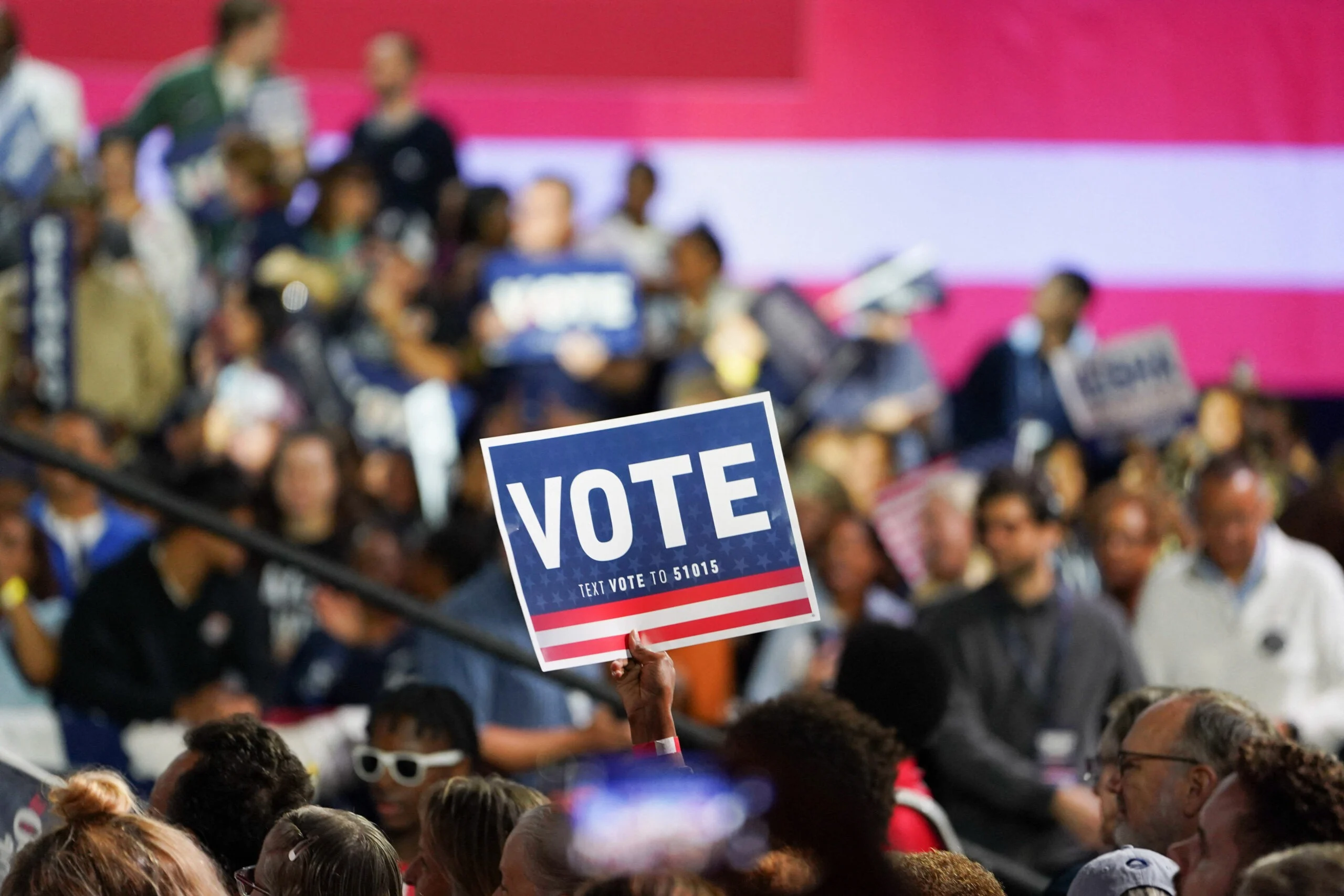
President Donald Trump campaigned in Mississippi on October 27 as Republicans prepared for a difficult fight to retain control of Congress in the November 3 midterm elections. The rally was part of a wider effort to support Republican candidates in competitive races and encourage voters to turn out. With millions of Americans already voting early, both parties were working to turn public concerns about the economy, immigration and national security into support at the ballot box.
Republicans were defending several Senate seats that could determine control of the chamber. Contests in Kansas, Michigan and South Carolina were among the races receiving close attention. The party has sought to present its record as a reason for voters to maintain Republican control, while Democrats have argued that the administration’s policies have added to economic uncertainty and household costs. The outcome could shape the direction of federal policy for the rest of Trump’s term.
More than 30 million Americans had already voted, according to the Associated Press report. Early voting gives campaigns an important indication of participation, but it does not settle the final outcome. Parties still need to persuade undecided voters and encourage supporters who have not yet cast ballots to take part. Turnout can vary between states and groups, making local campaigning important even when national politics dominates the headlines.
Vice President JD Vance and Republican Senator Tim Scott expressed confidence in their party’s chances. Democrats, including Kamala Harris and Bernie Sanders, also campaigned for candidates and criticised Trump’s approach to governing. The competing messages reflected a national debate over the economy, immigration, public services and the direction of American politics. Both parties were trying to connect those issues to the daily experiences of voters.
Economic pressure has become a key campaign concern. Higher fuel costs can affect household budgets, transport businesses and the price of goods. Voters may also consider healthcare costs, wages and the wider cost of living when deciding whether to support the party in power. Republicans have sought to defend their economic policies, while Democrats have argued that families need stronger support and a different approach to managing national priorities.
The campaign has also been marked by disputes over election rules and political rhetoric. Legal challenges involving ballots in California and the certification of Alaska’s Senate result added to concerns about how election disputes are handled. Such cases can affect public confidence if voters believe that rules are being applied unfairly. Courts and election officials will need to consider the legal arguments while ensuring that established voting procedures remain clear.
National security and immigration have also featured prominently in campaign messages. Candidates have used these subjects to argue for different approaches to border enforcement, foreign policy and public safety. Political debate has become especially tense in some races, where personal attacks have drawn attention away from detailed policy proposals. The challenge for voters is to separate campaign claims from verifiable facts about what candidates have done and what they plan to do.
The midterm election will determine more than the immediate balance of power in Congress. It will also influence investigations, spending decisions, legislation and the administration’s ability to advance its agenda. A change in control could make it harder for the president to secure support for major proposals, while a Republican victory would strengthen the party’s position. The final result will depend on turnout, local issues and how voters assess the country’s direction.
With election day approaching, both parties are working to turn their strongest messages into votes. The Mississippi rally showed that Trump remains an active figure in the Republican campaign, but the wider contest will be decided across many states. Economic concerns, candidate quality and confidence in the election process are likely to shape the result. The coming days will test whether Republican campaigning can overcome the pressures facing the party or whether Democrats can convert public dissatisfaction into gains in Congress.
