

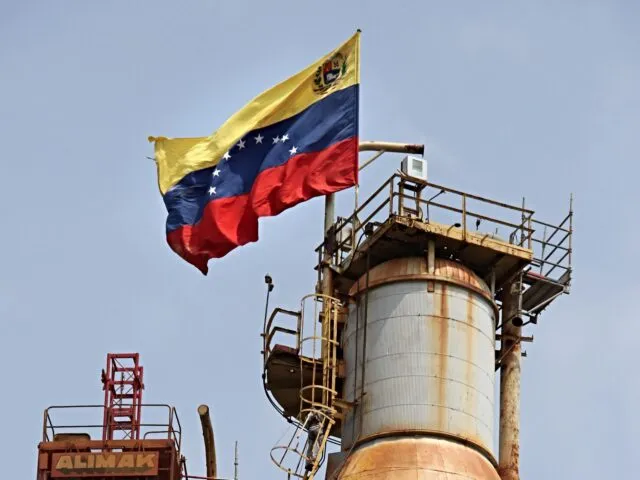
US Energy Secretary Chris Wright traveled to Caracas this week as officials finalized a Venezuela oil partnership signed with the country’s interim government, marking one of the most significant shifts in American energy diplomacy toward Venezuela in decades.
The signing ceremony took place at the Miraflores presidential palace, with Wright meeting Venezuela’s acting president to formally seal a series of agreements between American and international energy companies and the Venezuelan government following months of negotiation.
Wright described the moment as transformative, telling those gathered that expanding energy production remains the surest path toward improving living conditions both in Venezuela and across the broader hemisphere. He framed the deals as evidence that American energy leadership has returned to the region.
This marks Wright’s second visit to Venezuela this year, following the operation earlier in the year that saw American forces capture former Venezuelan leader Nicolás Maduro. His removal from power opened the door for a new relationship between Washington and Caracas after years of strained relations.
Venezuela’s acting president credited the current American administration for what she described as win win deals that would generate meaningful economic growth for her country. She emphasized that the agreements represent a genuine partnership rather than a one sided arrangement favoring only American interests.
The broader diplomatic significance of this deal extends well beyond energy policy alone. Analysts note that deepening economic ties between Washington and Caracas could reshape regional dynamics across Latin America, potentially influencing how other nations in the hemisphere approach their own relationships with the United States.
Critics of the arrangement have raised concerns about the legitimacy of dealing with Venezuela’s current transitional government, questioning whether proper legal and diplomatic processes were followed in structuring these agreements. Some economists have specifically challenged the legal basis for certain elements of the broader deal.
Supporters within the administration argue that engaging directly with Venezuela’s current leadership offers the most practical path toward stabilizing the country and expanding American access to critical energy resources, rather than maintaining the isolation policies pursued during previous years.
The political significance of this deal within Washington has also drawn attention, with the administration touting it as evidence of successful foreign policy achievement following the earlier military operation that removed Maduro from power. Officials have consistently framed Venezuela policy as a signature success story.
Congressional reaction has shown some divisions, with certain lawmakers questioning the long term implications of deepening ties with Venezuela’s transitional government, while others have expressed support for the economic and strategic benefits associated with expanded American access to the country’s substantial oil reserves.
As implementation of these agreements moves forward, attention will shift toward how quickly American and international energy companies can translate signed contracts into actual increased production. For now, this diplomatic breakthrough stands as one of the more significant foreign policy developments of the year, reshaping the relationship between two nations that had experienced years of tension prior to this recent shift.
