

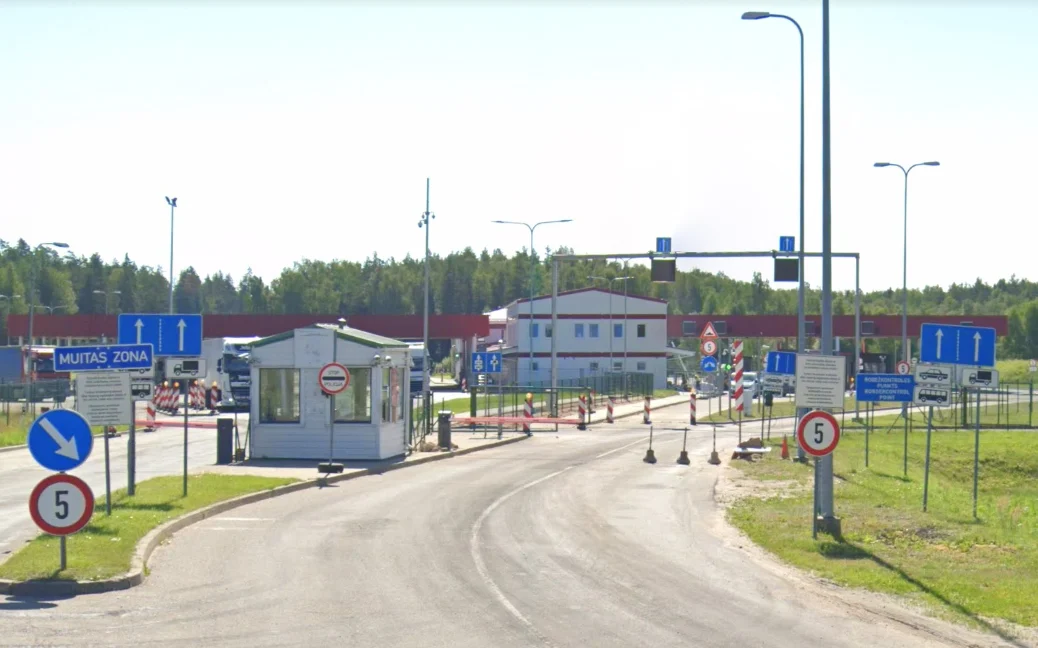
A sweeping new rule means Latvia bans Russia Belarus imports starting today, cutting off a wide range of industrial and consumer goods from entering the country. The measure covers books, newspapers, clothing, footwear, toys, and sports equipment, whether shipped directly or through third countries.
Government officials approved the final regulations last week, following parliamentary support for the restrictions back in July. The rules apply not only to goods made in Russia or Belarus but also to products of Russian or Belarusian origin that arrive in Latvia after passing through other nations first.
Officials say the goal behind this ban is straightforward. They want to protect national security interests, reduce the ability of Russia and Belarus to earn money from exports, and limit the flow of Russian propaganda materials into the country. Latvian leaders have described this as part of a broader effort to sever economic ties with countries they consider security threats.
This latest step builds on years of gradually shrinking trade between Latvia and its eastern neighbors. Since 2022, the value of imports from Russia and Belarus into Latvia has fallen by more than ninety percent, dropping from over two billion euros to under two hundred million euros in just a few years.
Officials emphasize that the banned goods are not difficult to replace. They argue that plenty of alternative suppliers exist in other countries, meaning Latvian consumers and businesses should not face major disruptions in finding similar products from different sources.
The ban does carry some tricky implications for travelers. Visitors bringing personal items purchased in third countries may need to prove where those goods originally came from, since the restriction covers Russian or Belarusian made products regardless of where they were purchased. This could create confusion for travelers unaware of a product’s true country of origin.
Latvia has taken a particularly firm stance compared to some other nations in the region, citing its close geographic proximity to both Russia and Belarus as a key reason for stronger protective measures. Officials have framed these steps as necessary given the ongoing security concerns facing the broader Baltic region.
This move adds to a growing list of restrictions Latvia has placed on trade with its eastern neighbors in recent years. Earlier bans already targeted certain agricultural products and animal feed, with officials indicating that further restrictions on food items could be considered in the future.
Regional allies have expressed support for Latvia’s approach, viewing it as consistent with broader European efforts to reduce economic dependence on Russia and Belarus following years of tension in the region. Some neighboring countries have implemented similar, though sometimes less extensive, restrictions of their own.
Business groups within Latvia have generally supported the move, though some have raised questions about enforcement, particularly regarding goods that pass through multiple countries before reaching Latvian borders. Customs officials will need clear systems in place to verify product origins accurately.
As the new rules take effect, officials plan to review their effectiveness annually, adjusting the list of banned goods if needed based on how well the restrictions achieve their stated security and economic goals. For now, this marks one of the most comprehensive import bans introduced by any European country targeting Russia and Belarus this year.
