

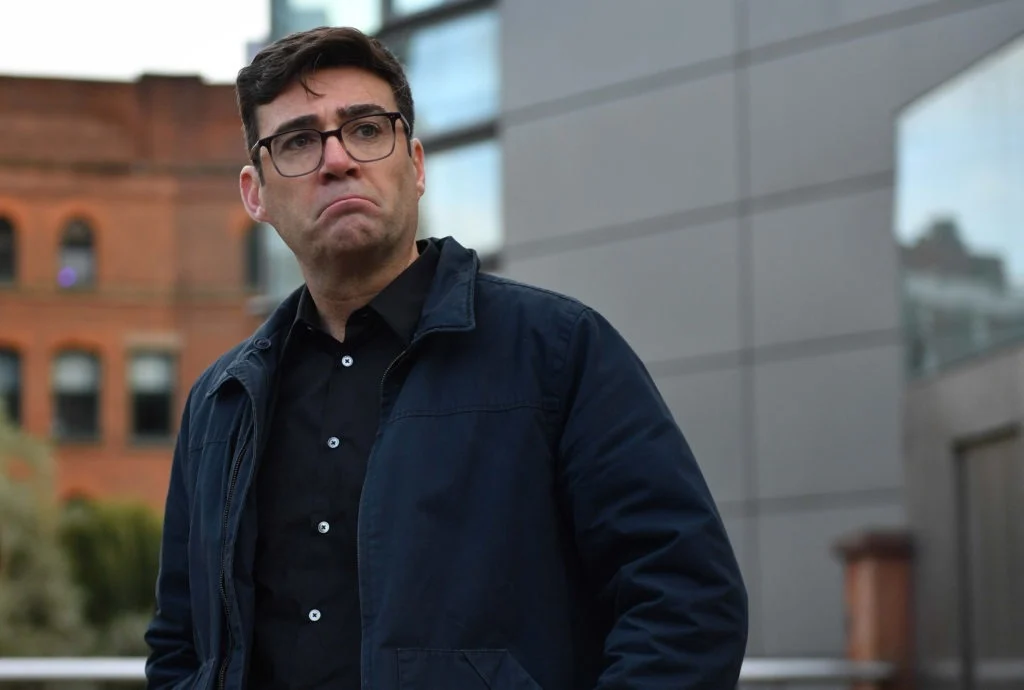
British Prime Minister Andy Burnham is under growing pressure to prove his government can fix the economy. He took office in July after Keir Starmer stepped down. Now Burnham faces tough questions in Parliament each week.
Burnham has promised a ten-year plan for the country. He says it will come before the end of the year. The plan will focus on public services and local power. He wants towns and cities to control more of their own budgets.
At his first grilling in the House of Commons, Burnham said his government would still meet its defense goals. He promised full funding for the Defence Investment Plan. He also said Britain would meet NATO spending targets by 2035. Critics say this is hard to promise during a cost-of-living crisis.
Burnham blames the past government for today’s market troubles. He says years of economic mismanagement caused the pain families feel now. His team is trying to balance strict spending rules with fast help for struggling households. This balance is proving difficult.
The new prime minister has also spoken about global tensions. He pointed to a recent attempted attack on an airport in Germany. British officials blame Russia for that incident. Burnham called on all lawmakers to support Germany and Ukraine as tensions rise across Europe.
At home, Burnham has made bold promises. He wants to end rough sleeping in Britain. He has also vowed to help “hollowed out” high streets. His plan includes rules on vape shops and betting shops in town centers. These shops have spread quickly in recent years.
Burnham became Labour leader after a rocky period for the party. Starmer resigned following weak results in local elections. Burnham was the only candidate in the leadership race. He won support from most Labour lawmakers within days.
Known as the “King of the North,” Burnham built his reputation as mayor of Greater Manchester. He often clashed with national leaders over funding for northern England. Supporters say his down-to-earth style helped him win broad backing across the party.
As prime minister, Burnham has tried to keep that same tone. He speaks plainly and avoids typical political language. He has told voters he wants to be honest with them, even when the news is hard.
Still, doubts remain. Britain has now had seven prime ministers in a decade. Many voters feel tired of constant change at the top. Burnham says he wants to end this cycle of instability.
His government faces a tough autumn. A budget statement is expected in October. It should reveal how Burnham plans to pay for his promises. Markets will watch closely, especially as bond yields rise around the world.
Business groups want clear rules and steady leadership. Union groups want protection for workers and public services. Meeting both sides will test Burnham’s skills early in his term.
For now, the prime minister says his focus is simple. He wants to restore trust in government. He wants families to feel less squeezed by rising costs. Whether his ten-year plan can deliver that remains to be seen. Voters and markets alike are waiting for details.
