

President Trump confirmed that American forces carried out large scale US strikes Iran Hormuz targets on Tuesday, marking one of the most serious escalations in months between the two countries. He described the strikes as a direct response to Iranian efforts to place mines in the Strait of Hormuz.
The president said the operation was both large and powerful, warning Tehran against any form of retaliation. Military officials confirmed that the strikes targeted sites linked to Iran’s Islamic Revolutionary Guard Corps, an organization the United States holds responsible for recent threats against commercial shipping in the region.
According to military command, the action followed attempted attacks on vessels moving through the strait, along with a separate attack aimed at American troops stationed in the region. Officials said the strikes were designed to remove the immediate threat to shipping lanes rather than to expand the broader conflict.
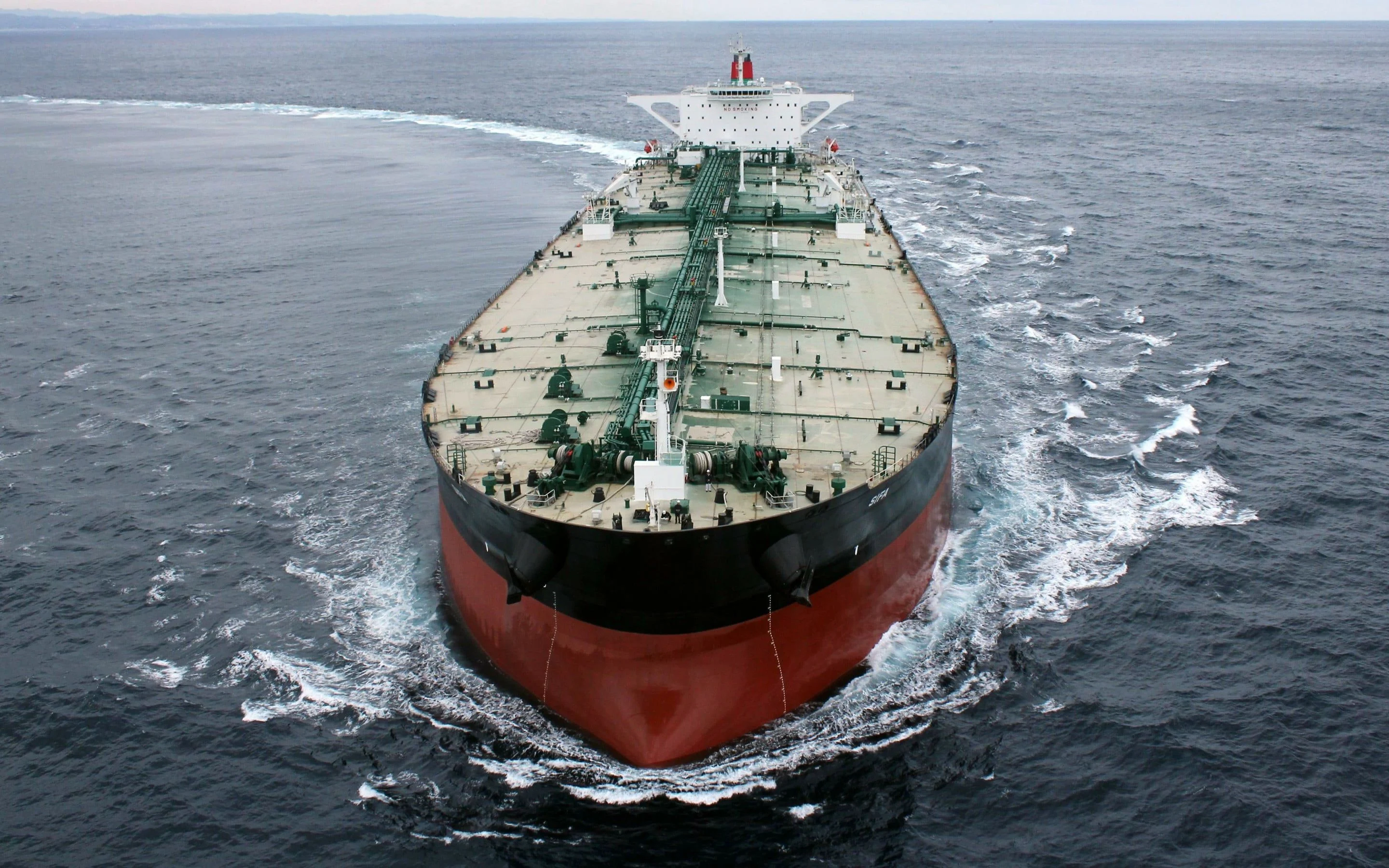
The Strait of Hormuz remains one of the most important routes for global energy trade, carrying a large share of the world’s oil and natural gas each day. Any disruption to traffic through the strait tends to ripple quickly through global markets, driving up prices and raising concerns among shipping companies.
This latest round of strikes comes after a period of relative calm following earlier rounds of fighting between the two nations. The renewed hostilities threaten to unravel a fragile stability that had allowed some tankers to resume passage through the waterway in recent weeks.
Iranian officials have not yet detailed the scale of damage from the strikes, though state media acknowledged that military sites were hit. Tehran has previously vowed to respond to any American attacks, raising concerns about further escalation in the days ahead.
International reaction has been swift, with several allied nations expressing concern about the impact on global shipping and energy prices. Diplomats have called for restraint from both sides, warning that continued military action could destabilize the wider region.
The American president struck a firm tone following the strikes, stating clearly that further action would follow if Iran chose to retaliate. This message appeared aimed at deterring any immediate response while reinforcing the administration’s stance on protecting international shipping routes.
Global energy markets reacted quickly to news of the strikes, with oil prices climbing sharply in the hours that followed. Traders have grown accustomed to price swings tied to developments in the strait, though the scale of this latest escalation caught many off guard.
Military analysts note that despite repeated rounds of strikes throughout the year, both sides have generally avoided actions that would fully close the strait to shipping. This pattern suggests that neither country wants a complete halt to the flow of oil through the critical passage.
For countries and companies dependent on stable oil supplies, this latest escalation adds fresh uncertainty to an already volatile year. Shipping firms continue adjusting routes and insurance arrangements in response to the ongoing risk, even as most vessels have continued limited passage through the strait.
As the situation develops, all eyes remain on how Iran chooses to respond in the coming days. Whether this latest round of strikes marks a turning point toward further escalation or another temporary flare up in a long running conflict remains to be seen.
