

As temperatures begin to cool and energy prices remain elevated, home energy saving tips are drawing renewed attention from households looking to manage costs ahead of the colder months. Rising oil prices tied to ongoing global tension have added extra urgency to the seasonal push for efficiency.
Simple steps around the home continue to top most experts’ recommendations. Sealing drafts around windows and doors, adding weather stripping, and using door draft stoppers can noticeably reduce heat loss without requiring any major investment or professional installation work.
Thermostat management remains one of the most effective tools available to households. Lowering the temperature by even a few degrees during sleeping hours or while away from home can lead to meaningful savings over the course of a full heating season, according to energy efficiency experts.
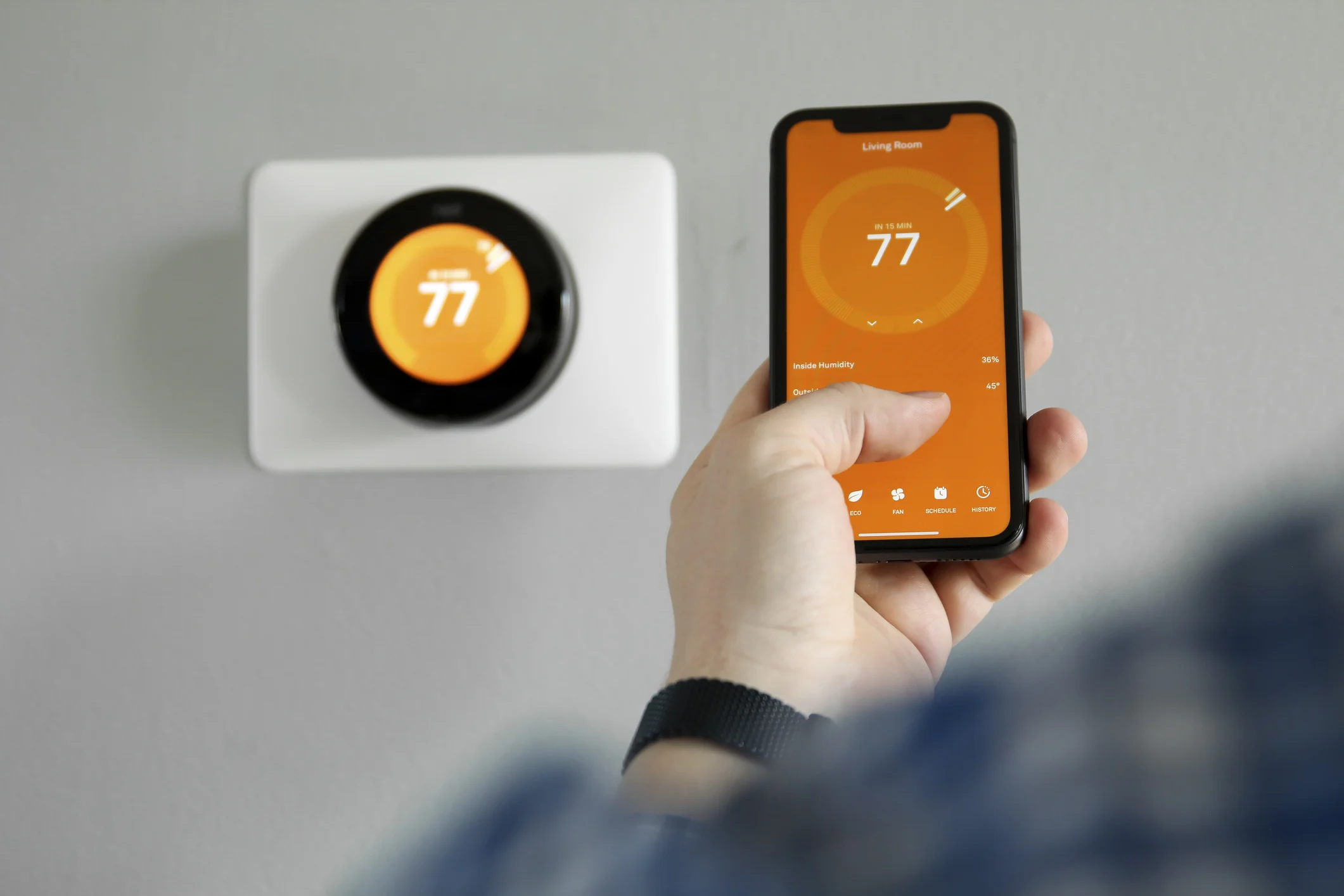
Programmable and smart thermostats have grown increasingly popular in recent years, allowing households to automatically adjust temperatures based on daily schedules. Many models can learn household patterns over time, further optimizing energy use without requiring constant manual adjustments from residents.
Insulation upgrades, while requiring more upfront investment, continue to offer some of the largest long term savings for homeowners. Attics, walls, and basements that lack proper insulation can account for a significant share of total heat loss during colder months, making upgrades particularly valuable for older homes.
Water heating represents another area where households can find meaningful savings. Lowering water heater temperature settings slightly, fixing leaky faucets promptly, and using efficient showerheads can all contribute to reduced energy consumption throughout the year, not just during winter months.
Curtains and window treatments have seen renewed interest as a low cost efficiency measure. Heavy curtains, when closed during cold nights and opened during sunny days, can help regulate indoor temperatures naturally, reducing reliance on heating systems throughout the day.
Appliance efficiency also plays a role in overall household energy use. Running dishwashers and washing machines with full loads, using cold water settings when possible, and unplugging electronics not in use all contribute to lower overall consumption, adding up to meaningful savings over time.
Government and utility programs in many regions continue offering rebates and incentives for energy efficient upgrades, including insulation improvements, smart thermostat installations, and efficient appliance purchases. Households are encouraged to research available programs in their specific area before beginning major upgrade projects.
Energy experts note that combining several smaller efficiency measures often proves more practical for most households than pursuing a single large renovation project. Building a checklist of simple, affordable changes can help families gradually improve efficiency without significant upfront financial strain.
As heating season approaches and energy costs remain a concern for many households, interest in these practical efficiency measures is expected to continue growing. Whether through simple habit changes or modest home improvements, experts say meaningful savings remain within reach for most households willing to take a proactive approach this autumn.
