

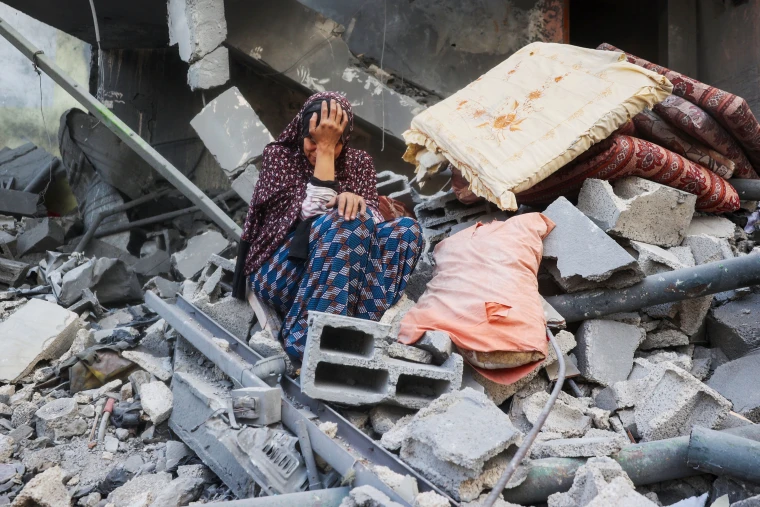
A ceasefire in Gaza is supposed to be holding. Yet strikes have not fully stopped. This has raised new doubts about the deal’s future.
The truce was set up with the help of the United States. It was meant to reduce violence and open the door to a longer peace plan. Officials say the group behind Gaza has agreed to give up weapons. It has also agreed to hand control to civilian leaders.
Still, attacks continue. Officials say strikes have hit targets inside Gaza in recent days. Some of these hit fighters. Others reportedly harmed civilians, including children. This has upset many observers who hoped the truce would bring real calm.
One senior official overseeing the peace plan spoke out this week. He said the strikes make it hard for people in Gaza to feel any real change. He asked a simple question. Will more strikes stop fighters from rearming? He said the answer is likely no.
Life inside Gaza remains very hard. Basic needs like food, clean water, and medical care are still in short supply. Officials have warned that daily life could get even worse without more aid. Simple items like rescue equipment for lifeguards are missing at local beaches, even as families try to enjoy the summer heat.
The West Bank has also seen fresh tension. Recently, forces carried out a rare strike there, targeting several people described as fighters. A military leader has since ordered more troops sent to the region. This shows how tension is spreading beyond Gaza itself.
Groups in Lebanon are watching closely too. The leader of one major armed group flatly rejected a new peace framework tied to the region. He called the plan unfair and said his side would not surrender. This adds another layer of doubt to hopes for a broader regional peace.
Talks between security services and armed groups have taken place quietly. Some of these talks reportedly began after a deadly hostage situation two years ago. New reports say a top security chief approved direct contact with the group. This detail only became public this week after officials cleared it for release.
Aid workers say the biggest danger now is simple exhaustion. Years of conflict have left services stretched thin. Hospitals, water systems, and food supplies are all under strain. A ceasefire on paper does not always mean safety on the ground.
Diplomats say the coming weeks will be critical. If strikes continue, trust in the ceasefire could collapse. If they stop, the deal could become a model for longer-term peace. Much depends on choices made by leaders on every side.
For families in Gaza, the days move slowly. Many just want basic safety and normal life to return. They have heard promises before. This time, they are watching closely to see if words turn into real change.
The ceasefire remains fragile. It is neither fully broken nor fully secure. That uncertain middle ground is where millions of people now live, waiting to see what happens next.
