

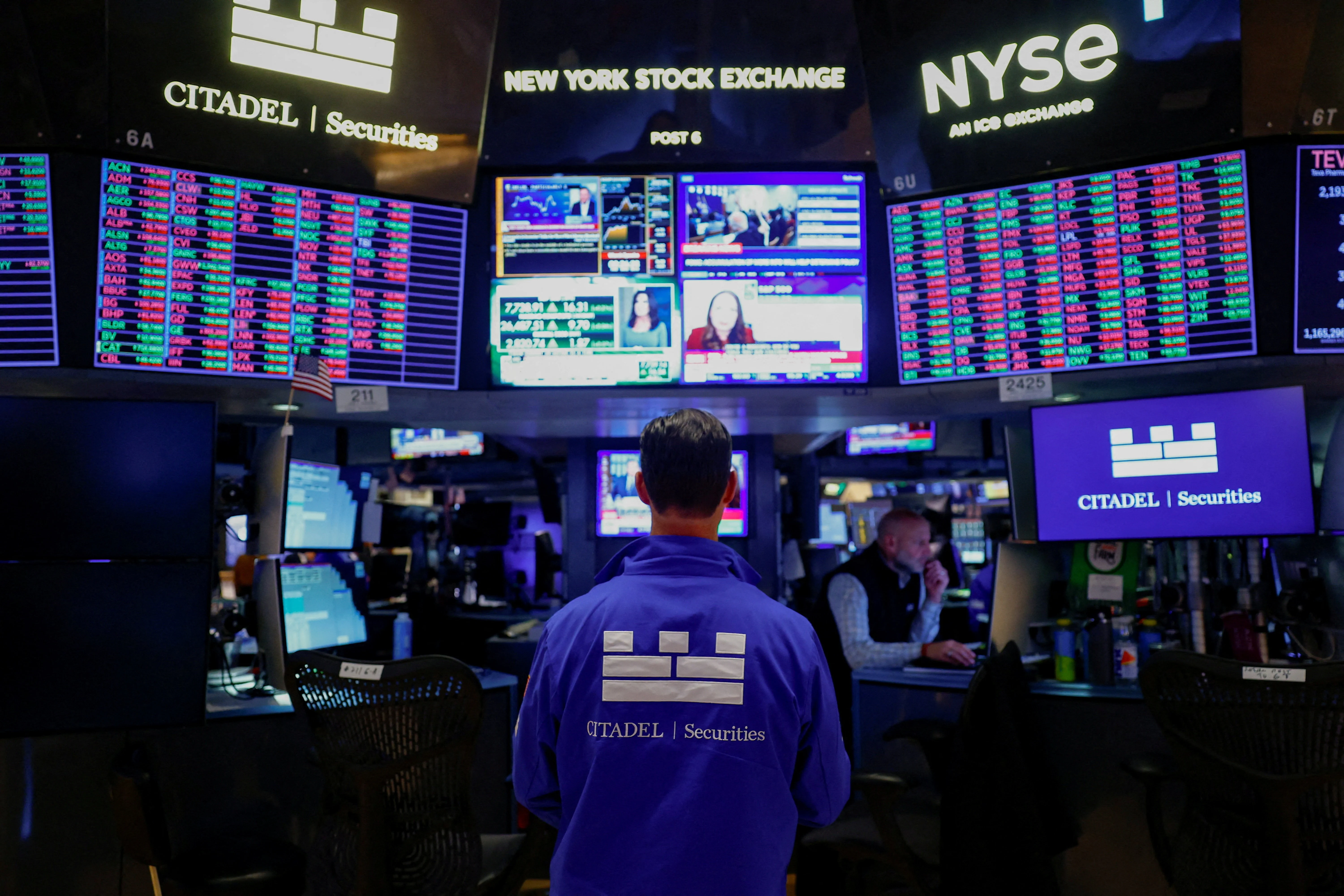
US technology shares suffered a sharp decline at the end of October as investors became increasingly concerned about the cost of the artificial intelligence boom and the ability of major companies to turn their investments into lasting profits. The Nasdaq Composite recorded its largest daily fall since June, while several well-known technology companies experienced steep losses during the final trading session of the month.
Intel and Reddit were among the companies hit hardest. Intel shares dropped by nearly 29%, while Reddit also recorded a major decline. Sandisk, which has benefited from strong demand for products used in artificial intelligence infrastructure, fell by around 13%. The losses reflected wider pressure across the technology sector after investors examined recent financial results and spending plans from some of the world’s largest companies.
The concerns are closely connected to the enormous amounts of money being invested in artificial intelligence. Microsoft, Meta Platforms, Amazon and Alphabet have committed substantial resources to data centres, computer chips, cloud services and other infrastructure needed to support advanced AI systems. These investments are expected to create new business opportunities, but they also require companies to spend heavily before the full financial benefits become clear.
Investors have become more cautious because several major technology companies have increased their spending forecasts. Although these firms continue to generate large amounts of revenue, the cost of building and operating AI infrastructure is putting pressure on cash flow. Market participants are now asking whether the expected growth in AI services will be strong enough to justify the scale of investment.
The latest market decline followed a difficult week for major technology shares. Microsoft, Meta, Amazon and Alphabet all faced pressure after their financial updates raised questions about future spending and returns. Their performance is particularly important because these companies account for a significant share of the wider US stock market. When their shares fall together, the effect can spread to investment funds and other businesses connected to the technology industry.
The market reaction does not necessarily mean that demand for artificial intelligence is disappearing. Companies across different industries are still exploring ways to use AI to improve productivity, automate tasks and develop new products. Semiconductor manufacturers and data-centre operators may continue to benefit from long-term demand. However, investors are increasingly separating the promise of the technology from the financial performance of the companies building it.
Intel faces additional challenges because of uncertainty in the personal computer market and competition across the semiconductor industry. Meanwhile, Reddit’s decline shows that pressure is not limited to chipmakers or infrastructure companies. Businesses that depend on advertising, user growth and investor confidence can also be affected when financial markets become less willing to accept expensive valuations.
The wider market has also been watching interest rates, inflation and economic growth. Higher borrowing costs can make it more expensive for technology companies to finance large projects and can reduce the value investors place on future earnings. As a result, the combination of high spending and uncertain returns has made the sector more vulnerable to sudden changes in market sentiment.
The final trading session of October has therefore become a warning for companies leading the AI expansion. Investors are not abandoning the technology, but they are demanding clearer evidence that major investments can produce sustainable profits. Future earnings reports, spending decisions and customer demand will play a central role in determining whether the technology rally can regain momentum.
