

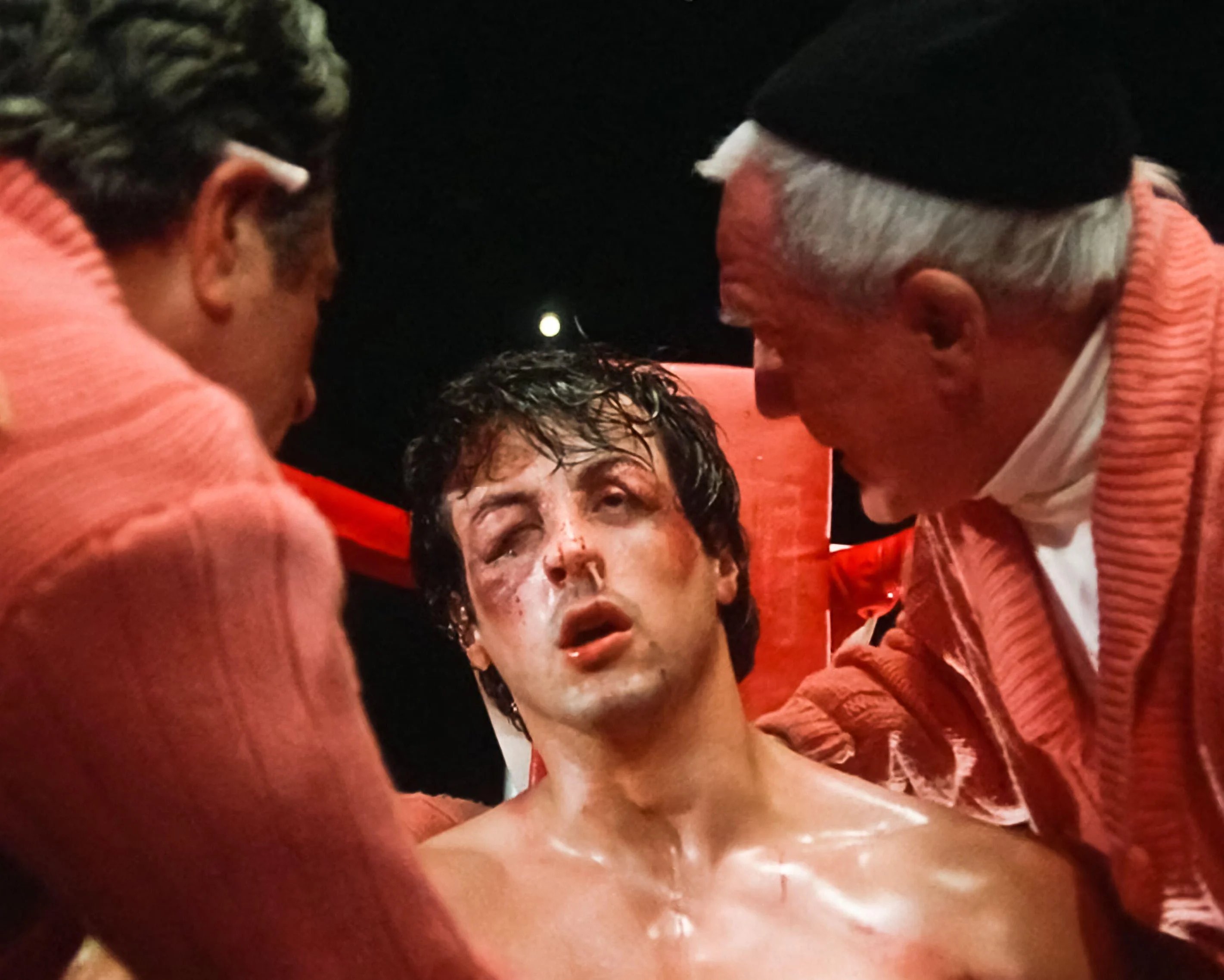
A new film revisiting the life and career of Sylvester Stallone is bringing renewed attention to the story behind Rocky, one of the most recognised underdog films in modern cinema. The project explores the difficult road that led Stallone to write and star in the boxing drama. His rise has long been associated with persistence, personal ambition and a refusal to give up when the odds appeared unfavourable. The film also asks how an individual struggle became a story that audiences around the world continue to remember.
Rocky follows a small-time boxer who receives an unexpected chance to fight the heavyweight champion. The plot is built around more than the contest in the ring. It also follows the central character’s attempt to gain self-respect and prove that he can meet a challenge that once seemed impossible. That emotional core helped the film reach audiences beyond boxing fans, turning it into a drama about determination and the value of making the most of an opportunity.
Stallone’s own career before the film’s success added to its appeal. He faced financial pressure and struggled to secure the roles he wanted. Instead of simply waiting for a suitable part, he wrote a screenplay around a character he could play himself. The decision carried risks, but it gave him a way to combine writing and acting in a project shaped by his own ideas. The film’s eventual success changed the course of his career.
The new portrayal also highlights how difficult it can be to recreate a well-known figure for the screen. Actors must capture recognisable habits and mannerisms without reducing a complex life to a series of familiar gestures. Audiences often bring strong memories and expectations to stories about famous people, especially when the original work has become part of popular culture. A successful performance must make the person feel human rather than simply imitate an image.
Rocky’s legacy extends beyond its original release. The film helped establish a series of sequels and inspired generations of sports dramas. Its training scenes, music and final fight became familiar cultural references. The story has also been used to discuss ambition, class and the desire to be taken seriously in a society that often judges people by their status.
Revisiting the film today offers an opportunity to consider why its central idea still works. Audiences may be drawn to stories in which people face difficult odds, but they also respond to characters who are flawed and uncertain. Rocky’s appeal comes partly from its recognition that success does not always mean winning. Sometimes it means showing up, meeting the challenge and discovering what a person can do.
The new film returns to the difficult beginnings behind that familiar story. By focusing on the struggle to make Rocky, it reminds viewers that major cultural successes often emerge from years of uncertainty, rejection and persistence.
