

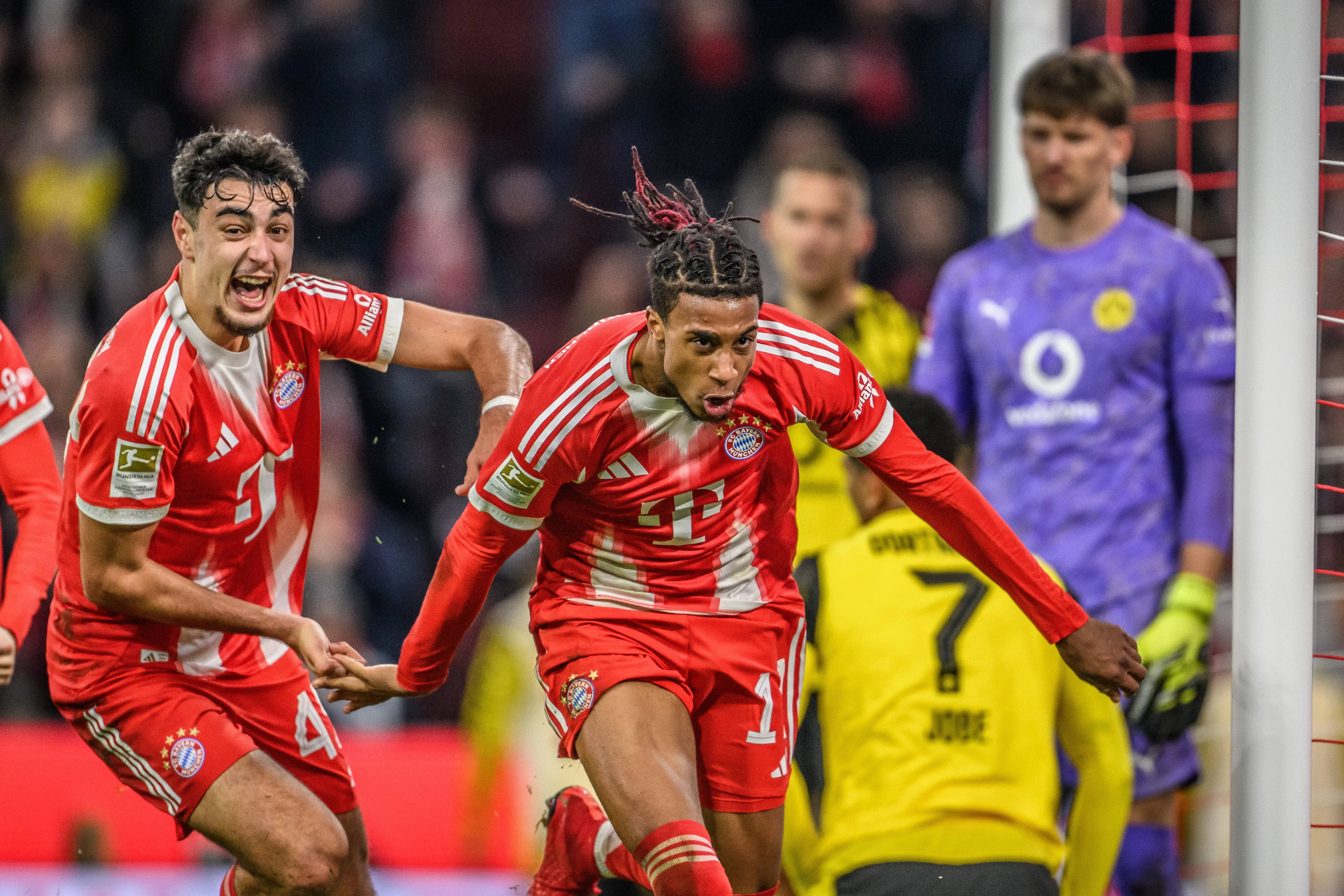
Bayern Munich and Borussia Dortmund are preparing for another major meeting in German football, with their Bundesliga clash expected to attract attention from supporters across Europe. The fixture, commonly known as Der Klassiker, brings together two of the country’s most successful clubs and carries importance beyond the points available in the league table.
The match is scheduled to take place in Munich on Saturday, October 31. Both teams enter the contest under the pressure that usually surrounds meetings between leading Bundesliga sides. A strong result can strengthen a club’s position in the title race, while a defeat may create questions about form, selection and the team’s ability to compete with its main rivals.
Bayern have built a reputation for domestic dominance through consistent performances, experienced players and a strong attacking approach. Their matches against Dortmund often require careful balance because the opposition has the pace and technical quality to create problems in transition. Bayern will be expected to control possession and use their attacking options, but they must also avoid leaving open spaces for Dortmund to exploit.
Dortmund, meanwhile, have regularly challenged Bayern for major honours and view the fixture as an opportunity to demonstrate their competitiveness. The club has a history of developing young players and using energetic football to unsettle opponents. A positive performance in Munich would provide a major boost to the squad and its supporters, particularly if the result changes the balance near the top of the standings.
The coaching situation has added another point of interest before the match. Bayern assistant coach Aaron Danks has indicated that the team does not plan to make major changes to its preparations despite the absence of head coach Vincent Kompany. His comments suggest that the club intends to maintain its normal approach rather than allow the situation to disrupt its preparations.
Matches between Bayern and Dortmund often involve more than tactical decisions. The rivalry reflects years of competition for league titles, cup victories and the attention of German football supporters. Both clubs have large fan bases and strong commercial influence, meaning the result can shape discussion across the sport for days after the final whistle.
The match also offers a test of squad depth. A demanding season requires teams to manage injuries, suspensions and fatigue while maintaining a consistent level of performance. Coaches must decide whether to rely on established players or introduce changes that could provide fresh energy. In a high-pressure fixture, even a small tactical adjustment can influence the outcome.
Supporters will be watching the midfield contest closely because control in that area often determines which side can create the most dangerous attacks. Bayern may look to establish possession and move the ball quickly, while Dortmund could seek opportunities to press and launch direct attacks. Defensive concentration will be equally important, as mistakes in a match of this level can quickly become decisive.
The Klassiker remains one of the most recognisable fixtures in German football. Regardless of the teams’ positions before kick-off, the rivalry gives the match a special atmosphere and raises expectations among supporters. Saturday’s meeting will provide another opportunity for Bayern and Dortmund to demonstrate their ambitions in a season where every major result could influence the title race.
