

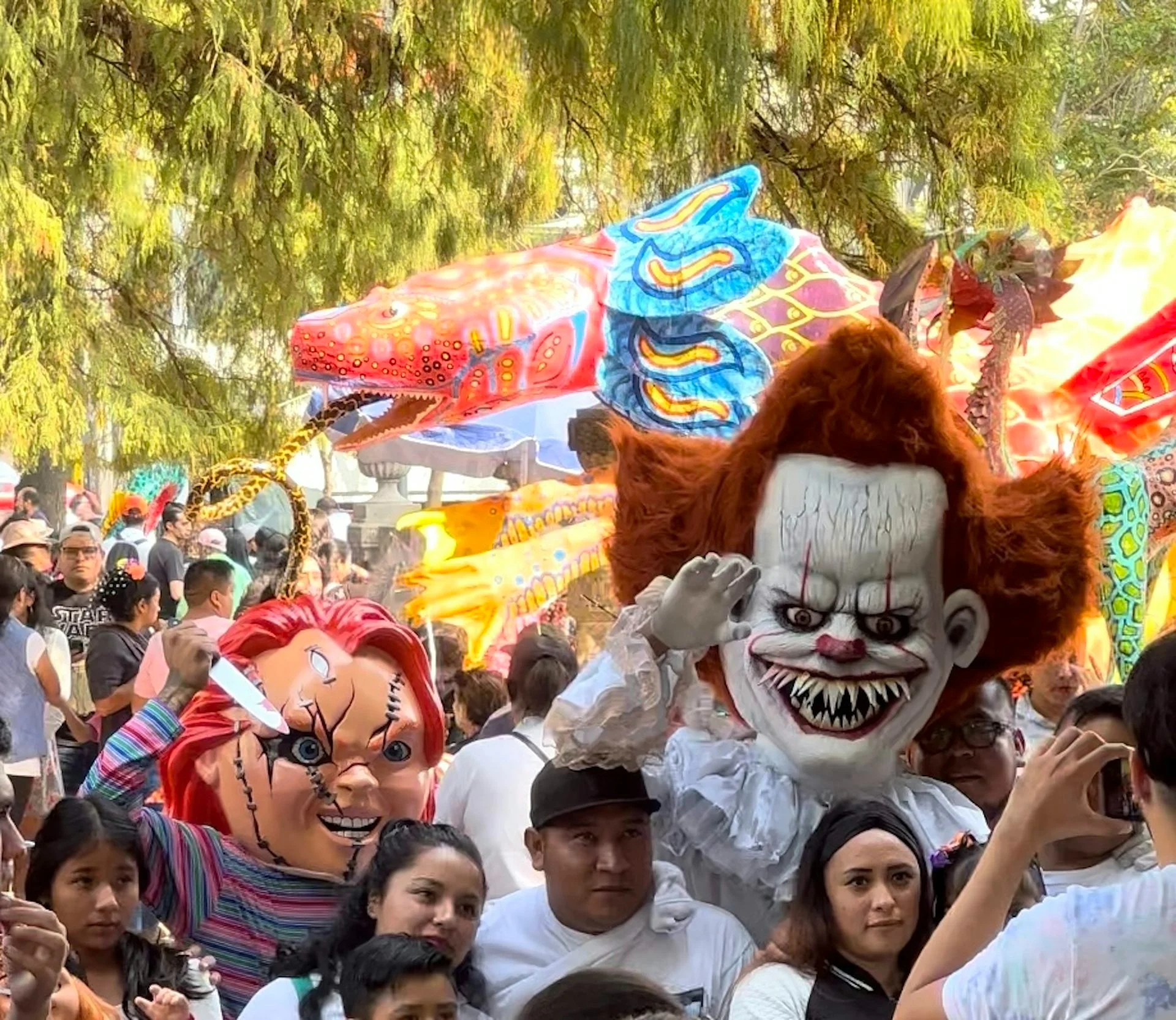
Halloween celebrations are increasingly becoming a platform for creative expression, with costumes reflecting popular culture, personal interests and social humour rather than relying only on traditional ghosts and monsters. Across Western countries, people are using the annual celebration to experiment with fashion, recreate familiar characters and take inspiration from entertainment, sport and public life.
The change can be seen in the growing variety of costume ideas appearing during the Halloween season. Traditional outfits based on witches, vampires, skeletons and other supernatural figures remain popular, but many people now prefer costumes connected to television programmes, films, internet culture and well-known personalities. These choices allow participants to create recognisable looks while adding their own interpretation.
Social media has helped accelerate this trend. Photographs and short videos of unusual outfits can reach large audiences within hours, encouraging people to develop costumes that are visually distinctive and easy to recognise. A creative outfit can become part of a wider online conversation, particularly when it refers to a popular character, a memorable public moment or a familiar fashion trend.
The growing interest in costume culture has also created opportunities for retailers and independent designers. Shops sell clothing, accessories, masks and makeup throughout October, while online sellers offer themed products for people who want a complete outfit without spending time making one themselves. At the same time, some participants choose second-hand clothing or items they already own, creating costumes with a smaller environmental impact.
Fashion choices are also becoming more flexible. Some people prefer elaborate outfits that require careful planning, while others choose simple combinations that can be assembled at home. Makeup, hairstyles and accessories can transform ordinary clothing into a costume, making the celebration more accessible to people with different budgets and levels of interest.
Halloween has also become an occasion for communities to organise events beyond private parties. Schools, workplaces, shopping centres and local entertainment venues arrange costume competitions, themed evenings and activities for families. These gatherings allow people to participate even if they do not follow the more traditional customs associated with the holiday.
However, the growing commercial side of Halloween has raised questions about waste and unnecessary spending. Many costumes are made from inexpensive materials that may be used only once. Environmental campaigners have encouraged consumers to reuse clothing, repair old outfits and exchange costumes with friends rather than buying new products every year. Some families are also choosing homemade decorations and reusable accessories.
The celebration can also reflect wider discussions about cultural sensitivity. Costumes based on particular communities, traditions or historical experiences may create controversy when they rely on stereotypes. Organisers and participants are increasingly being encouraged to consider the meaning of their choices and avoid outfits that mock or misrepresent other groups.
Despite these debates, Halloween continues to provide a space for creativity and social connection. The variety of costumes shows how the celebration has developed from a mainly traditional event into a broader cultural occasion shaped by fashion, entertainment and online communities. As people prepare their outfits each year, the central attraction remains the opportunity to step outside everyday routines and take part in a shared experience.
